Loading Text-to-Speech…
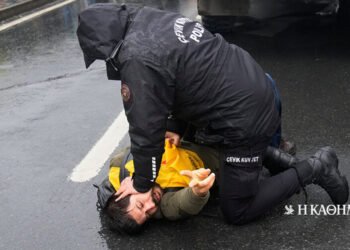
In 2024 they threatened them and broke their car windows. Last year, around the same time, they threw stones at them, knocked them to the ground, punched a man’s nose activist. The perpetrators of the attack were outnumbered and had their faces covered. This year, despite the violent history against them, the members of the German organization “Committee Against the Slaughter of Birds” returned to Zakynthos in order to prevent another spring gathering poachers.
Despite that hunting it is also prohibited in our country since 1983 during this period, at Zakynthos various species are still killed birdssuch as the starling, which is facing population collapse. In the spring migratory birdswhich includes the white tern, pass through Greece flying to other European countries to mate. Exhausted as they are from the long journey, they become an easy target. According to her study Hellenic Ornithological Societyfrom 1980 onward, due to poaching, the population of the starling has declined by 79%.
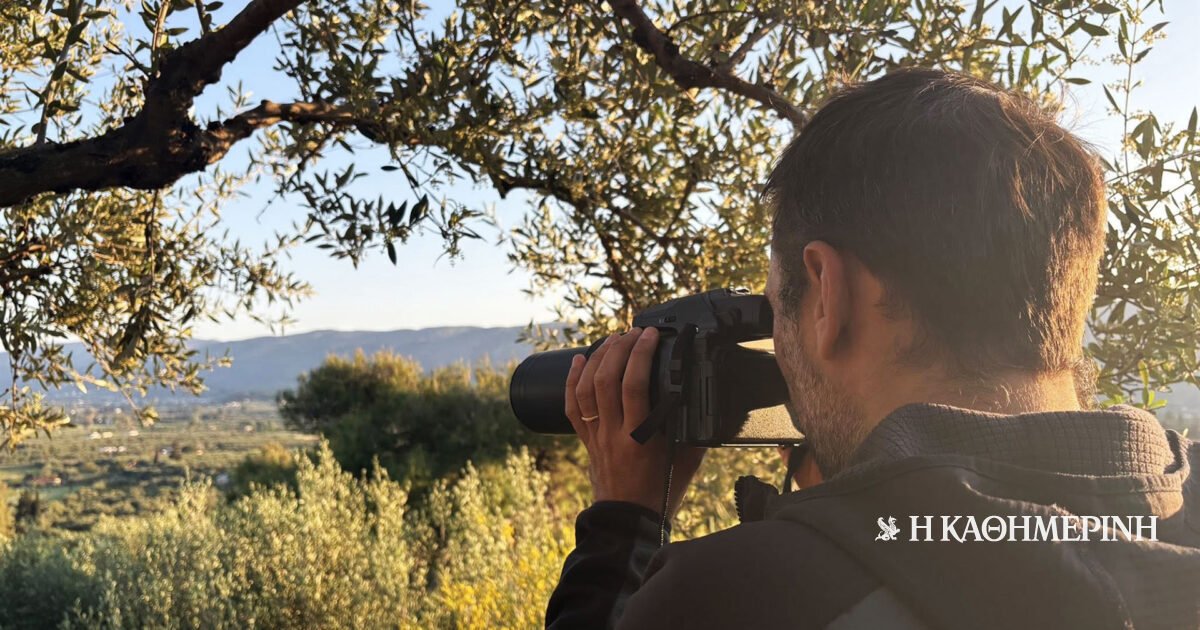
They use telephoto cameras and even drones to better capture illegal activity and provide evidence to law enforcement.
Last Saturday, in an area that was once considered inaccessible, the activists of the CABS organization they located, recorded and identified six poachers, who hunted from hiding places and camouflaged seats in the olive groves of a hill. Five shotguns found carefully hidden in the thick vegetation were seized, as well as 48 rounds of ammunition.
In total, since April 11, when this year’s action by activists on the island began, 14 people have been identified or identified for illegal hunting. Activists try to record illegal activity or find it hunting hides and to then inform the competent Greek authorities, for arrests to follow.
With the gun on the shoulder
The persistence of the activists seems to have brought some results so far. “We see that poachers behave differently. In the first years of our presence on the island, they walked around with the carbine on their shoulder. Now they hide, shoot and run away.” says Stefania Travalia to “K”.member of CABS. “In some areas the situation has improved compared to the past. However, sites such as Keri or Vasilikos remain in focus.”


THE Andrea Rutilianohead of field research at the organization CABS, observes that in some places illegal hunting activity has been reduced by 50% to as much as 80%. However, he estimates that at least 150 active poachers remain on the island. Last weekend, also due to the favorable winds that have brought thousands protected birds over the island, activists report recording hundreds of illegal gunshots.
On one of their recent patrols they spotted a hilltop hunting hide. They set up cartels at night, used telephoto cameras and even drones to better record the illegal activity and then give the evidence they collected to the police authorities.
As Rutiliano says in “K”one of the differences they noticed this year is that poachers are no longer using their traditional hideouts, improvised elevated and camouflaged structures reminiscent of watchtowers or small turrets. Several of these “posts,” as they are called, may be located on private lands. According to one version that had been mentioned in “K”they may have been rented for the season to groups of hunters for thousands of euros. Keeping away from these points so as not to be noticed, the poachers now seem to fire their shots from the ground.

Activists talk about the need for staffing and adequate funding forest office and of gamekeepers to better deal with the phenomenon. They also note that their attempts at surveillance and recording are also hampered by a network of whistleblowers who alert poachers in time to avoid being caught in the act.
At Zakynthos there are currently nine members of CABS, activists from Italy, Slovenia and Great Britain. They will remain there until the first week of May. This is their fourth year of presence on the island. This year they have not faced the violent reactions of the past. “Zante is a paradise”, says Rutiliano. “We are sorry for the harm that the poachers are causing to the island and to the wildlife. Their selfish behavior is driving a species to the brink of extinction.”