BOGOTÁ.— The electoral authority of Colombia declared this Wednesday to the conservative Abelardo de la Espriella as president-electafter beating the progressive in the runoff Ivan Cepeda in a close vote count that kept the country in uncertainty about its political future for several days.
This Wednesday, Cepeda recognized the victory of outsider rightafter having questioned the results of the preliminary count that gave the majority of the votes to his rival.
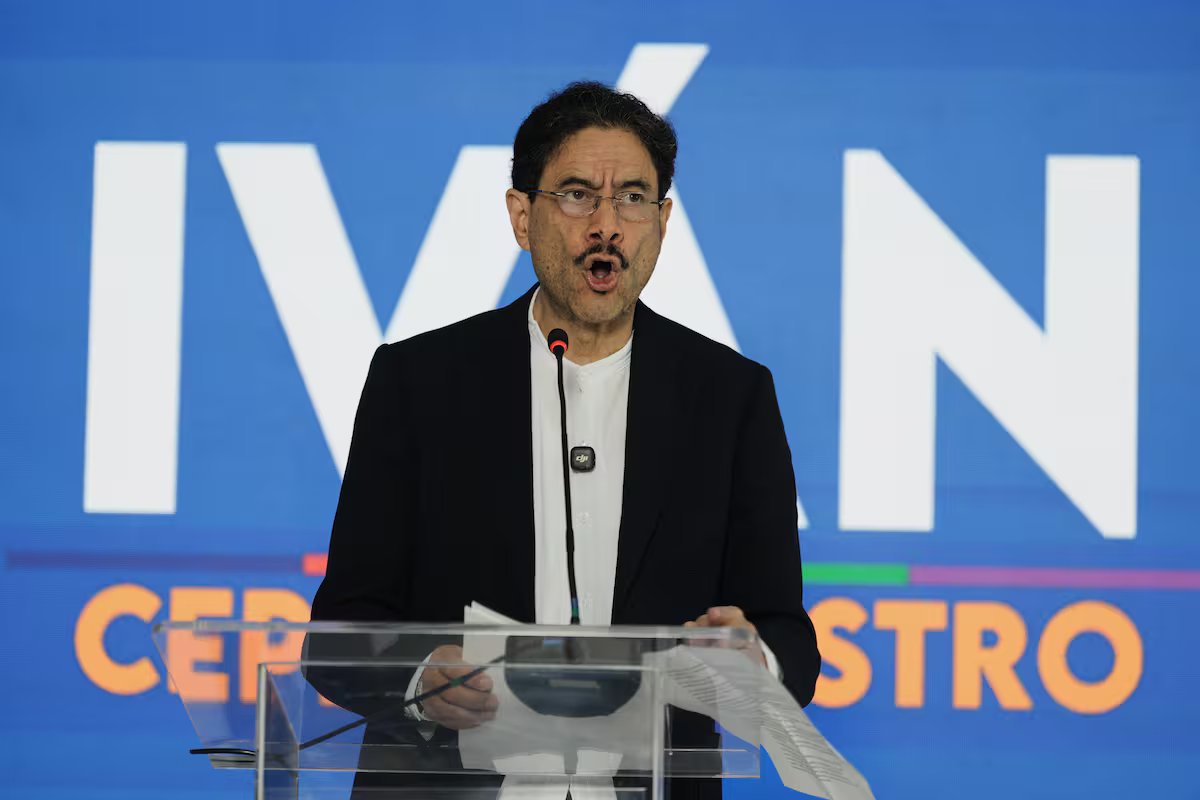
“I have decided to accept the result (…) that indicates that Abelardo de la Espriella is the new president”Cepeda said at a press conference.
The candidate clarified, however, that the decision did not mean abandoning their complaints about the development of the campaign. “It does not mean renouncing the truth or remaining silent in the face of events that we consider serious and that marked this presidential campaign. During this process we denounce the open and undue foreign interference (…) particularly the interventions made by the United States government and President Donald Trump in favor of the candidacy of Abelardo de la Espriella,” he stated.
Cepeda, political ally of the president Gustavo Petrohad requested the review of tens of thousands of voting stations for alleged irregularities and had anticipated that he would await the verdict of the official scrutiny of the National Electoral Council, the authority in charge of declaring the winner of the election.
The preliminary count of the Registry Office, responsible for electoral logistics on voting day, placed De la Espriella with the 49.66% of the votes, compared to 48.70% from Cepeda. The difference between the two was more than 250,800 votes, the second closest in a Colombian runoff in the last three decades.
The National Registry Office reported on Tuesday that the pre-count coincided 99.997% with the scrutiny carried out by the judges, a result that confirmed De la Espriella’s victory. In Colombia, the pre-count is informative, while the scrutiny carried out by judges and scrutiny commissions constitutes the official result of the electoral process.
Petro, who had also questioned the transparency of the electoral system, seemed to recognize the outcome on Tuesday night. “We are split in half and it is time to recognize each other, respect each other and agree. The connection and my withdrawal will begin”he wrote on the social network X.
However, the president maintained his questions about the process. In a series of messages posted on X, he insisted that there was a “clear and confessed foreign intervention” in favor of De la Espriella, He compared the Colombian case to the annulment of the elections in Romania for alleged external interference and maintained that Trump’s alleged direct participation should open a debate about the validity of the elections. He also denounced the use of “tens of millions of dollars in algorithms” to influence citizens and again pointed to the Registry’s computer system, although without providing conclusive evidence of fraud capable of modifying the result.
In parallel, the first international recognitions began to arrive. The Foreign Ministry of Peru, country that has just gone through a similar electoral situationwith claims and a tight difference, congratulated De la Espriella for his “historic electoral victory” and saluted the Colombian people for their “committed participation in this exemplary democratic day.”
“Peru reiterates its best disposition to strengthen relations of friendship, cooperation and integration between our countries, in favor of the development and well-being of both brother peoples,” indicated the Peruvian Ministry of Foreign Affairs.
In his conference, Cepeda also anticipated the role he will assume in the next government. “We will exercise a democratic, vigilant and constructive opposition, but also resolute and unwavering when it comes to defending the rights of the people,” he said.
De la Espriella, 47-year-old lawyer, businessman and right-wing leader, will assume power on August 7 for a period of four years and will succeed Petro, in a political turn for the fourth largest economy in Latin America.
The president-elect, candidate of the Defenders of the Homeland movement, presents himself as a outsider of politics and managed to prevail against the initial forecasts of the polls, which anticipated a victory for Cepeda in the first round. However, De la Espriella ended up beating him in both rounds of voting.
Nicknamed “The Tiger” for his followers, he promised during the campaign “tough hand” against crime, drug trafficking and illegal armed groups. He also raised strengthen the Armed Forces and build megaprisons in a country burdened by more than six decades of internal conflict, which left more than 450,000 dead.
Its program also includes a reduction in taxes, a reduction in the size of the State of up to 40% and a relaunch of the mining-energy sector by resuming the signing of hydrocarbon exploration contracts.
But the new president will come to power with a narrow victory and a deeply divided country. Among its main challenges will be the fiscal situation, persistent guerrilla violence, dissidents from former rebel groups and criminal gangs, and the need to build a coalition in a fragmented Congress, where no party has a majority and the left is the first force.
Cepeda, candidate of the Historical Pact and 63-year-old senator, announced that will take over as head of the opposition to defend democracy, freedoms and social achievements that he attributes to the Petro government.
“We will resist any attempt at authoritarian submission, we are not intimidated by threats or political persecution,” said the leader, who also reiterated his willingness to dialogue and reach agreement with the new government.
AP and Reuters Agencies