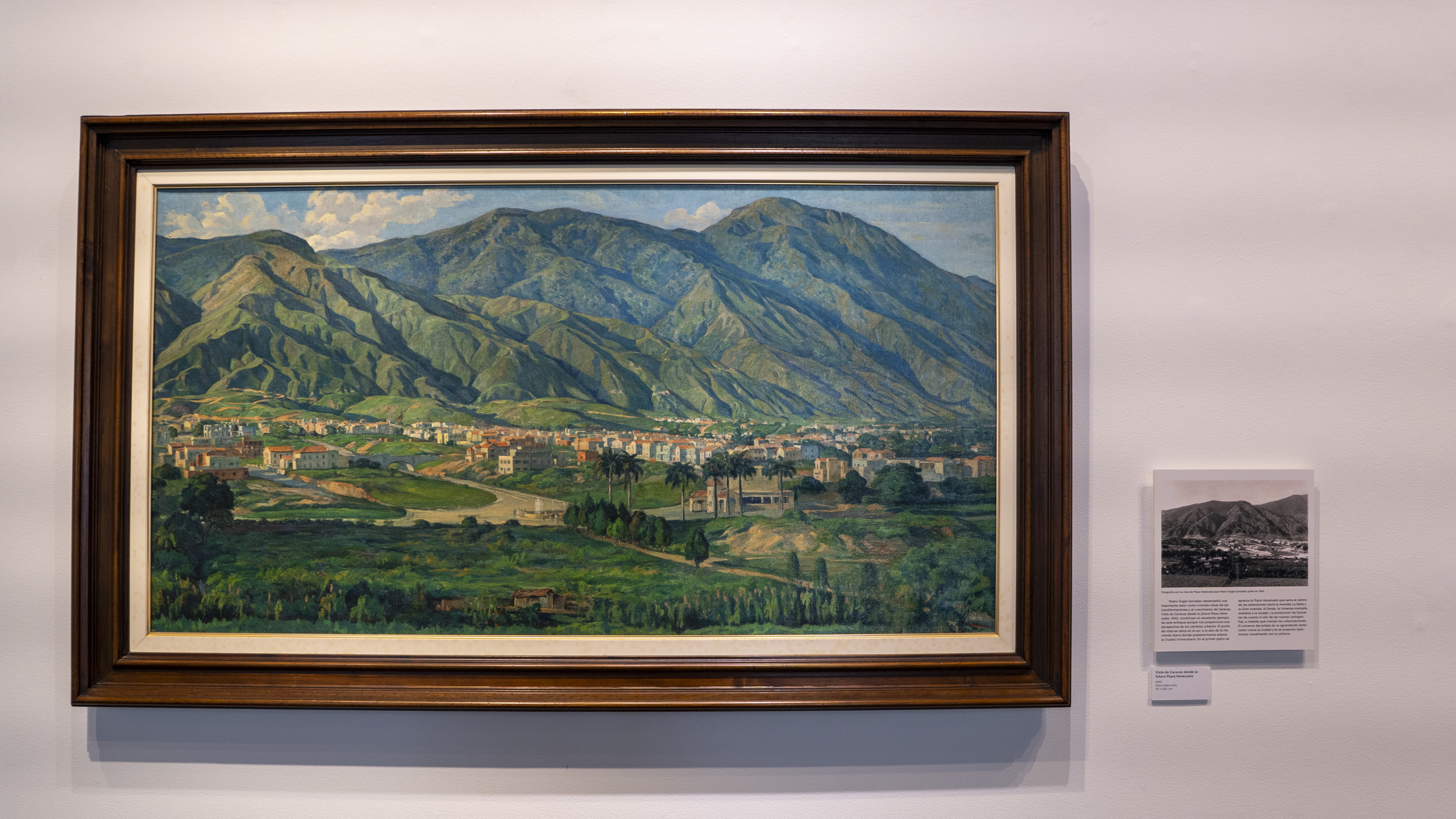
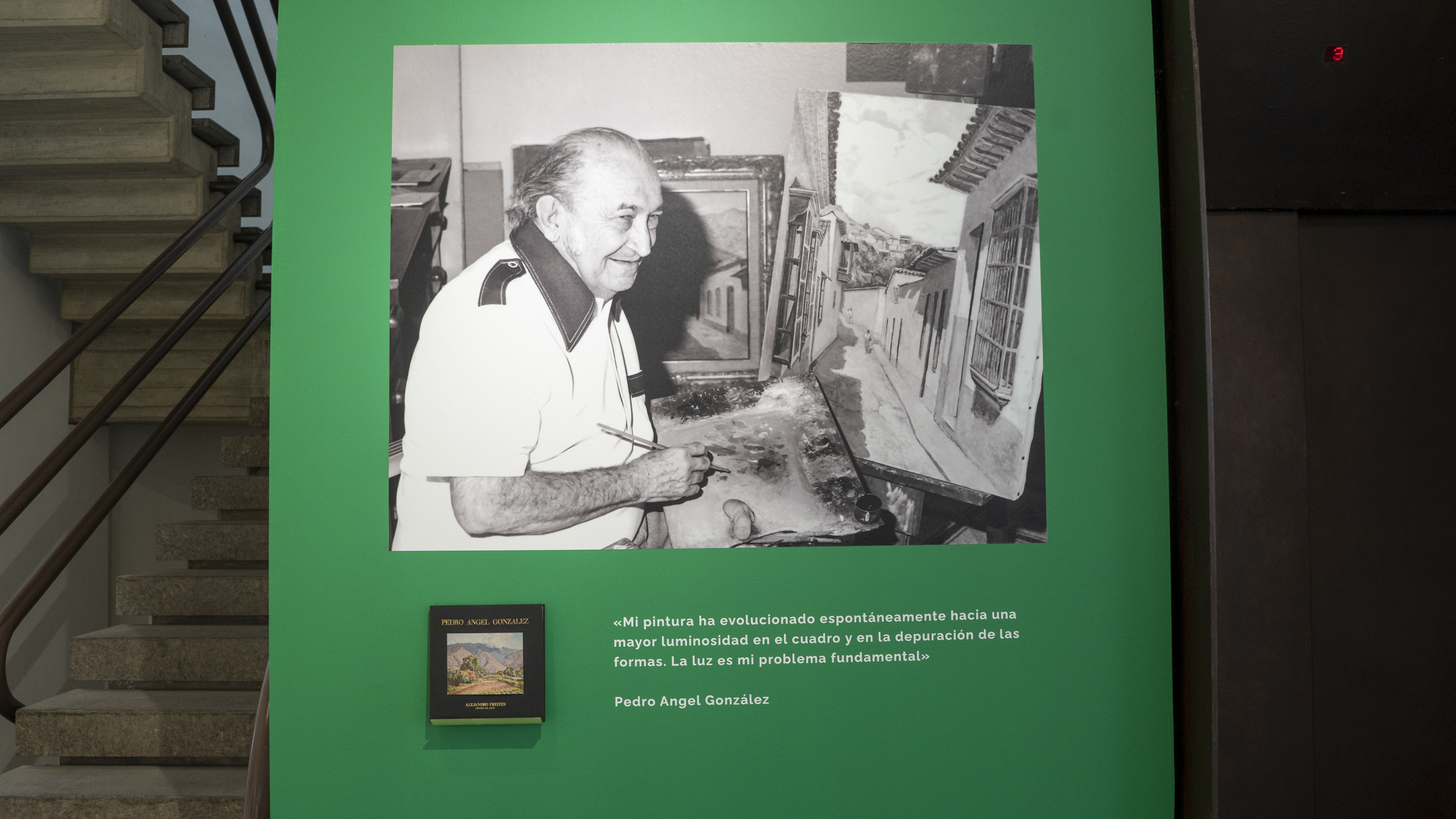
Pedro Ángel González only needed an empty canvas and an easel in front of El Ávila to transfer the light of day to his hands and, from there, to the painting. Born in Santa Ana del Norte, Nueva Esparta state, in 1901, he was 19 years old when he painted one of his first landscapes on the El Carmen hacienda, property of the Sanabria Vollmer family. There he portrayed mountain perspective from Valle Abajo while talking with his friends Lucca, Domingo and Roberto Sanabria, who affectionately called him “Gonzalito” because of his youth.
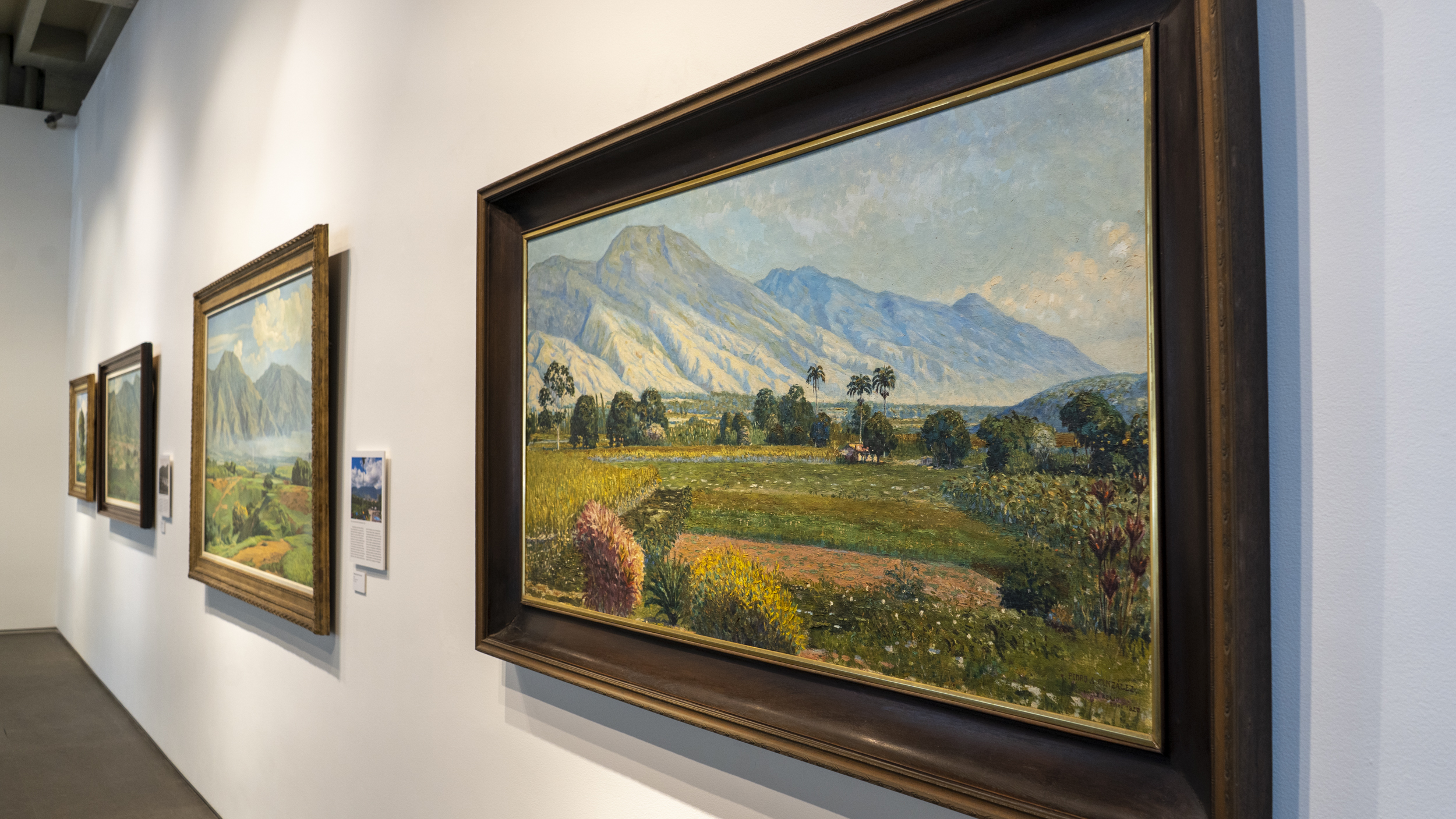
It was one of his first works, but not the last: his fascination with El Ávila and the way the light fell on its relief led him to become in visual chronicler and one of the most significant landscape painters of Venezuelan art. With a more extensive color palette than many of his contemporaries, he managed to capture the veracity of the mountain and its characteristic luminosity. This year, 26 of his paintings are exhibited at the Freites Gallery, in Las Mercedes, until December 12, in the largest exhibition ever held of his work.
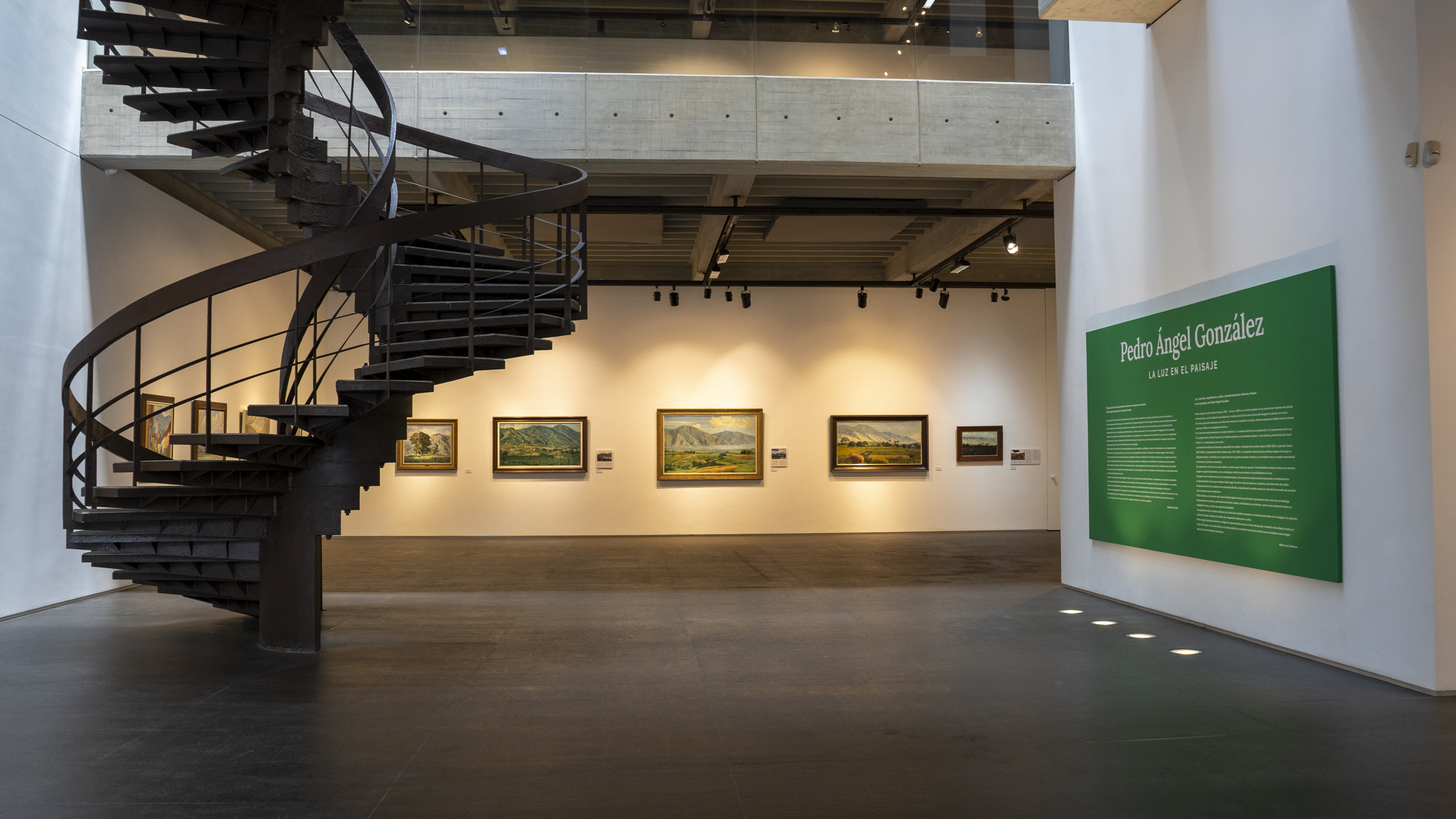
Graduated Pedro Ángel González. The light in the landscapeunder the curatorship of the researcher and art critic María Luz Cárdenas, this is the second anthological exhibition held in her honor. The first took place in 1976, exactly 50 years agoin the original headquarters of the Freites Gallery in El Rosal.
In that first installment, only 10 paintings were exhibited. Despite its importance in the history of Venezuelan art, González’s pictorial work It is not widely known: The vast majority of his paintings remain in private collections, on the walls of friends’ houses who requested a portrait of the valley or on the walls of clubs that required a touch of color for their decoration.
As a decorator, draftsman, designer and engraver, González was not interested in accumulating his paintings. I preferred keep the memory alive from the moment in which he executed them. When he finished them, he handed them over to their owners and immediately went in search of another light, another perspective and another side of the mountain.
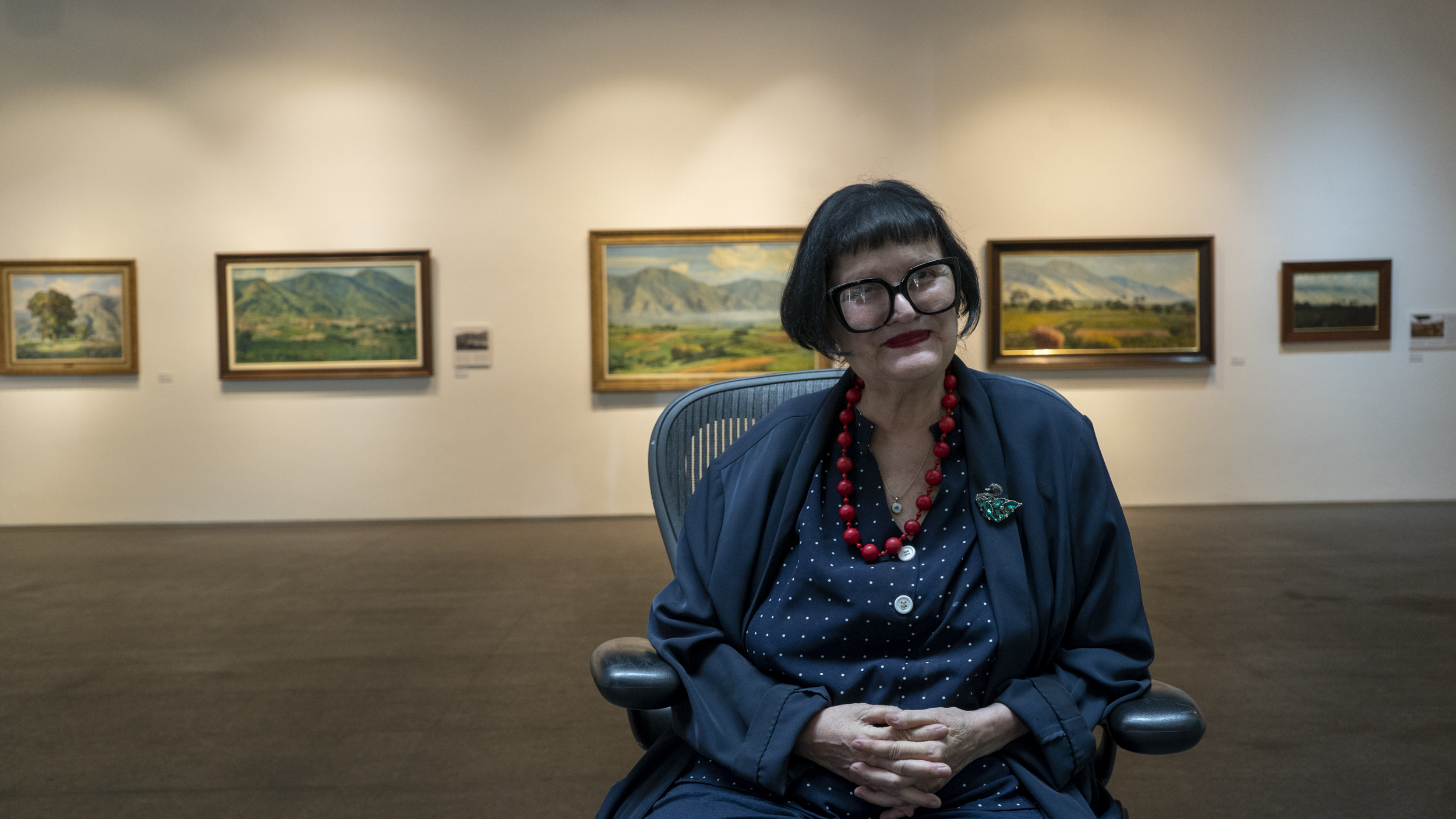
For that reason, to Alejandro Freites, Founder and director of the gallery, it took him around three years of research to locate the 26 canvases that make up the current selection. During the inauguration, held on October 11, curator María Luz Cárdenas highlighted the enthusiasm with which painters of new generations came to pay tribute to whom they consider a pioneering master.
“Pedro Ángel González is one of the founders of the sensitivity towards El Ávila and urban sensitivity together with the artists of the Caracas School. They created a historical framework that recorded the changes in nature, but especially about the light and the city at that time. That is his great contribution,” said Cárdenas.
From making hats to painting pictures
Pedro Ángel González was the son of Anacleto González, a hatter who in 1912 settled in Juangriego, Nueva Esparta, where he opened a craft workshop. At 11 years of age, young Pedro Ángel began working as his father’s assistant, where he alternated the manual trade with his first drawing lessons.
Under the tutorship of Numa Pompilio Briceño, he learned to make portraits from photographs and to paint the environment. His father supported his vocation from the beginning and provided him with the crayons and wax sticks with which he made his first sketches on canvas of the town’s inhabitants. Later, he learned Gothic calligraphy and began to make posters for local festivities.
In 1916, the Nueva Esparta State Government awarded him a scholarship. On April 18 of that same year he arrived in the capital and entered the Academy of Fine Arts at only 15 years old. He graduated in 1923 and, the following year, he began teaching drawing classes at the Liceo Fermín Toro, a job he carried out until 1931 while he portrayed El Ávila in the most prolific stage of his production as a landscape painter.
Between 1936 and 1956 He held the position of draftsman and lithographer at the Domínguez & Cía. packaging factory, a job that provided him with economic stability. During that period he delved into graphic arts, becoming a pioneer of the etching technique in Venezuela.
In 1936 he was summoned to organize the Graphic Arts Workshop of the new School of Plastic Arts. and Applied Arts of Caracas, a department that he directed until 1953 and where he taught for more than two decades. He also served as director between November 1959 and April 1960.
His contribution was recognized in 1942 with the National Painting Prize in the Official Hall. “He was a tireless researcher of luminous processes, associated with the expression of time and changes in the coloration of the atmosphere. He is, along with his generation companions, the great visionary of the territory of Caracas,” highlighted Alejandro Freites in the text presenting the exhibition.
Light and landscape
From a curatorial point of view, the exhibition is articulated around two essential coordinates in the career of Pedro Ángel González: light and landscape. “The exhibition proposes a tour of its different stages and ways of visualizing the environment through unprecedented perspectives. Although its production includes three major phases, we focus on the first two as they are the period where the landscape shines with greatest splendor,” explains curator María Luz Cárdenas.
The 26 works exhibited—which range from 1920 to 1968— give an account of his beginning and consolidation as a landscape painter, connected by a constant common thread: the incidence of light on El Ávila. This luminous atmosphere constitutes, in fact, the second major axis of the exhibition. “His commitment to light is essential. He builds everything from it; the painting seems to spring from the luminosity at the different hours of the day in which he worked,” says Cárdenas about a technical concern that the master never abandoned.
Along with the light, the tour highlights its role as a visual chronicler of the transformations of Caracas. While González painted, the city around him expanded at a rapid pace. Among the pieces, a canvas from 1920 stands out that portrays the origins of Plaza Venezuelawhen there was barely a fountain in front of Los Caobos with the monumental mountain in the background: “There is the germ of what the city was in the 1920s,” emphasizes the researcher.
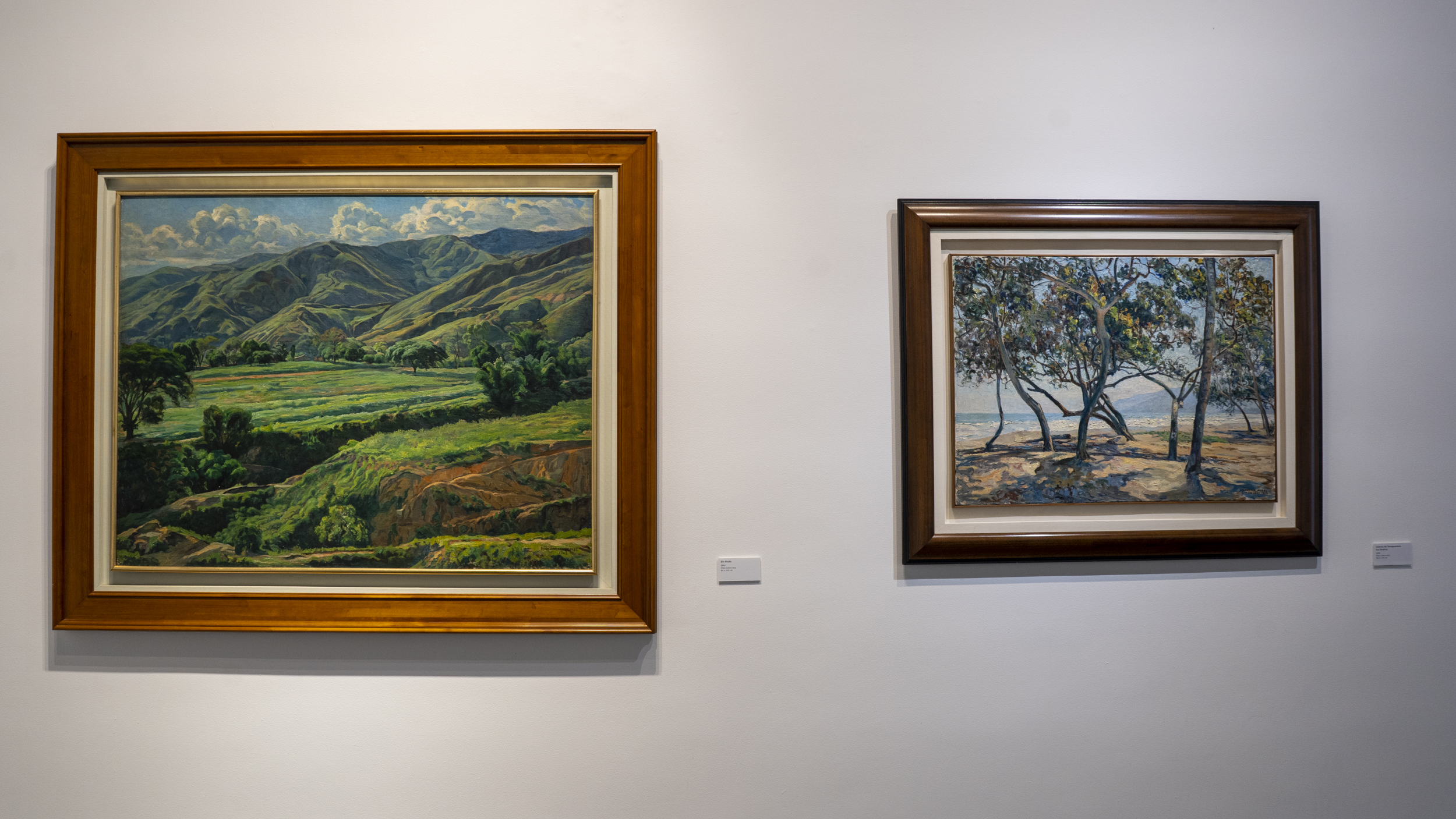
A less disclosed aspect of his production, which makes up the fourth thematic core, are the seascapes and the landscapes of the Central Coast. In these pieces, the artist explored what lay beyond the Caracas valley. Cárdenas especially highlights an emblematic work where El Ávila is seen seen from La Guaira accompanied by the local architecture: “There the light constructs the work in a totally different way from his other paintings; it appeals to the framework that provides the perspective between the land and the sea as if the promontories and hills were the true subject and the sea functioned as a screen.”
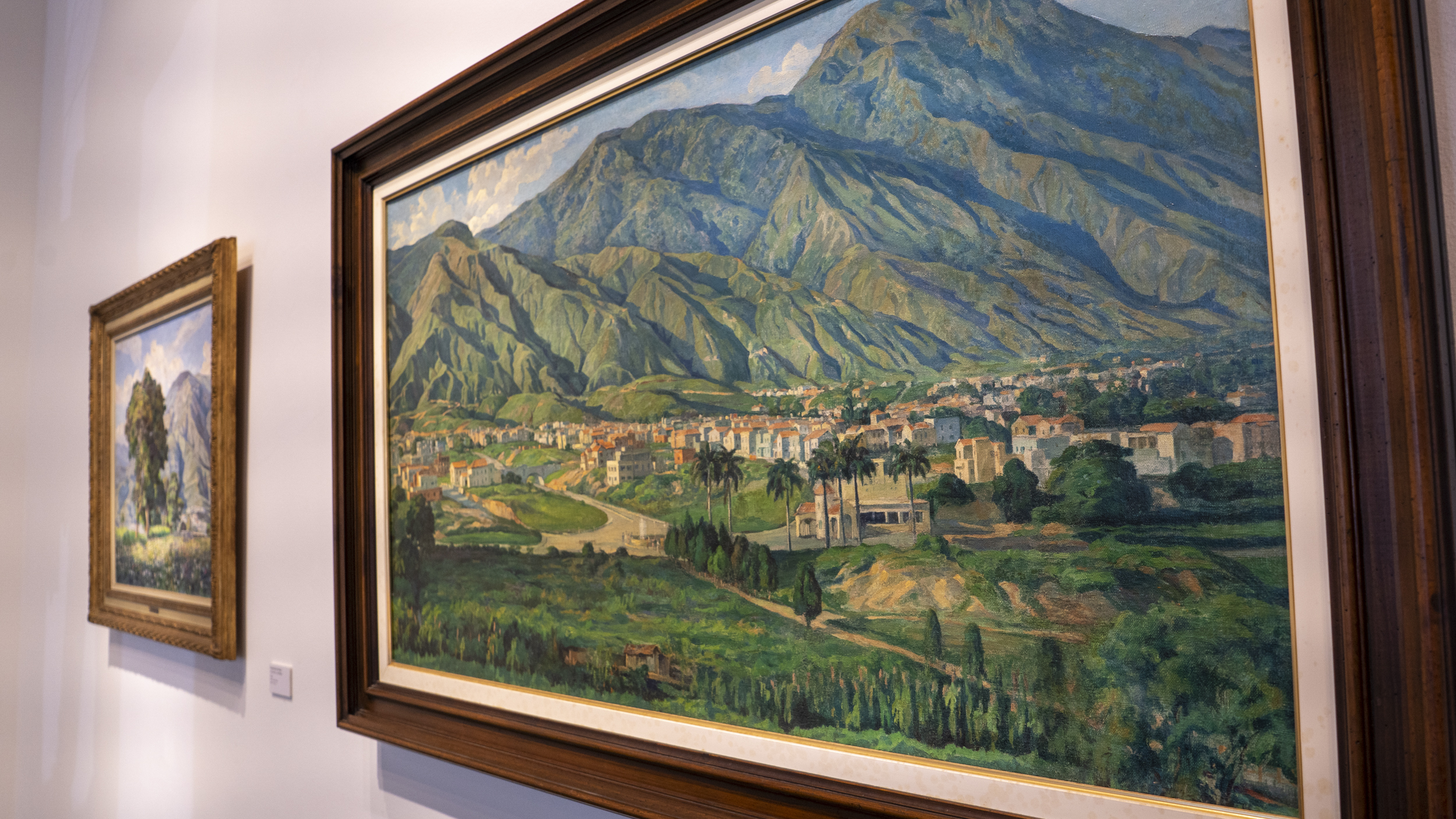
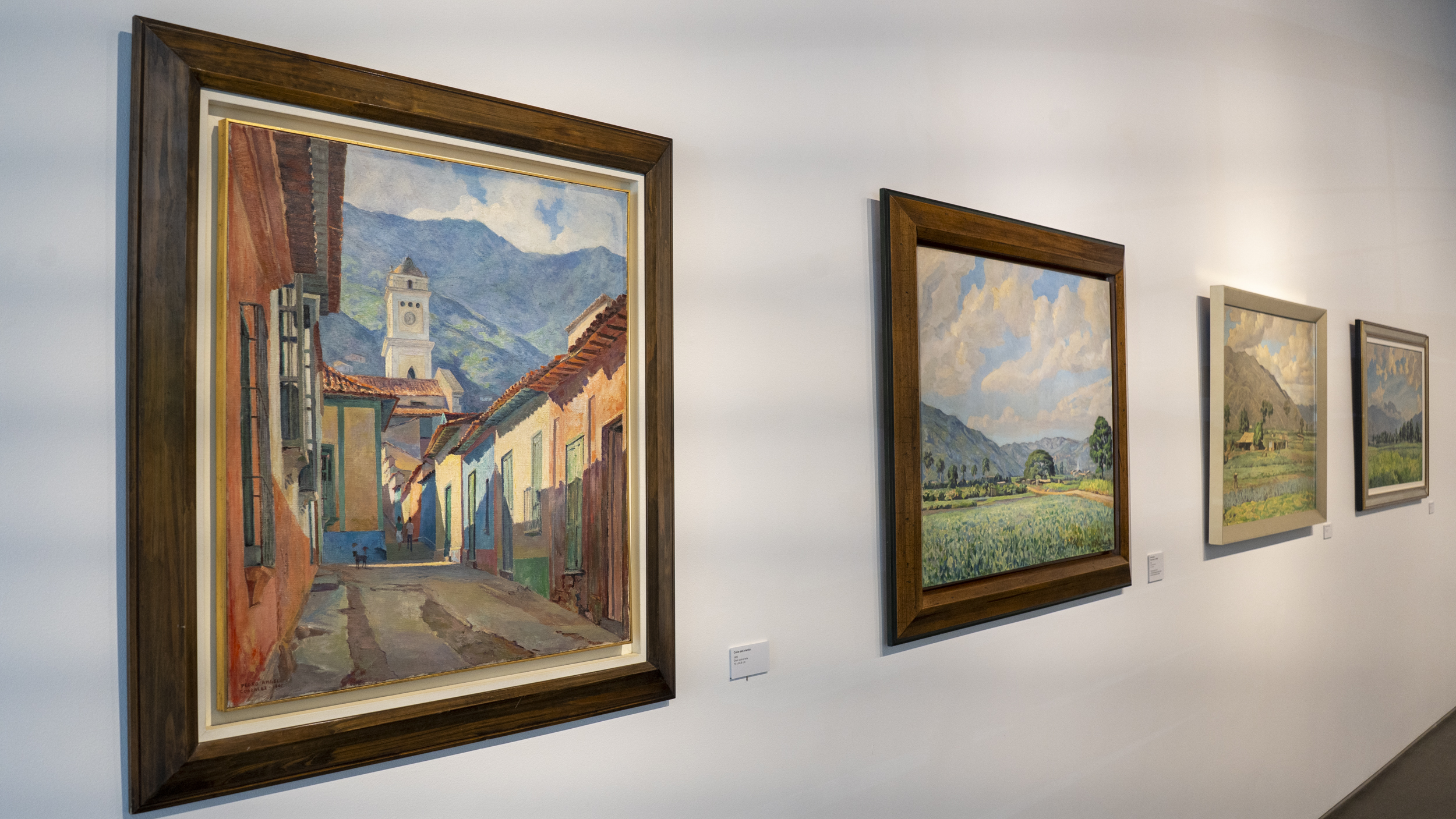
Finally, the exhibition addresses the study of the streets and architecture surrounding the mountain. While chasing the nuances of the sun on the relief, the artist left testimony of the urban displacement towards the eastern plains.
The entire exhibition is supported by complete documentary documentation that complements the vision of a fundamental creator whose visual record of the city gave unprecedented connotations to the representation of the great mountain.