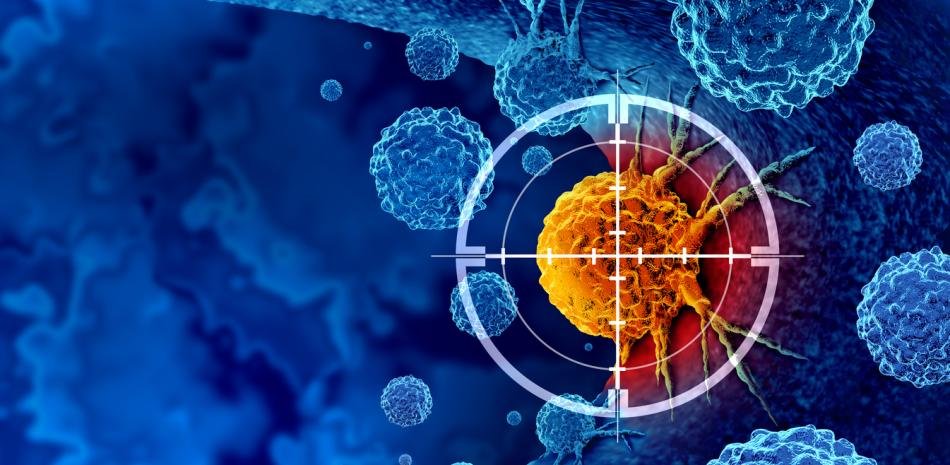
A study published by the medical journal JAMA Oncology places the financial impact by cancer at US$25.2 billion, between 2020 and 2050, globally.
The magazine notes that this disease not only brings with it a physical and emotional burden, but can also deplete patients’ personal savings, reduce productivity at work and limit the number of people in the global labor market.
The study researchers made cost estimates based on international financial data and mortality and morbidity statistics for this disease, taking into account the money invested in treatments, as well as the impact on the work environment.
They add that cancer is one of the leading causes of mortality, accounting for almost 10 million deaths annually worldwide or one in six deaths. Therefore, the National Cancer Control Plans (PNCC) are considered a key tool to reduce mortality, improve quality of life and generate economic benefits.
Early detection
They indicate that the return on investment is overwhelming: early detection and treatment strategies can generate between 2 and 7 dollars for every dollar invested, while more than 12% of global deaths from cancer could be prevented.
Along these lines, the World Health Organization (WHO) reinforces that a timely diagnosis reduces the financial impact of cancer, not only because the cost of receiving treatment during the early stages is lower, but also because patients can eventually continue working and supporting their families.
“Country health systems must promote comprehensive cancer control, ranging from prevention and incorporating strategies to improve early detection at low cost, since late diagnoses represent greater investments for governments,” commented Dr. Isabella Grueso, director of global oncology policies for Pfizer.
“He adds that financing national cancer control plans is the bridge between clinical progress and sustainable impact: it allows us to strengthen diagnostic capacity, improve the efficiency of the system and protect fiscal spending over time, which facilitates the application of more effective and less complex treatments,”
Precision medicine: revolution in patient treatment
Experts assure that precision medicine is one of the main revolutions in cancer treatment, which allows patients with different tumors to receive personalized treatments, with greater specificity and effectiveness.
They explain that it is considered a necessary challenge to apply if we want to be at the forefront in cancer care and requires national strategic plans that promote its implementation to avoid diagnostic and therapeutic inequities. Especially considering that in Latin America and the Caribbean, more than 1.5 million new cases of this disease were registered in 2022, and where prostate, breast and colorectal cancer predominate.
This key tool allows us to boost clinical research by determining the percentage of patients with a given disorder who could benefit from targeted treatment, encouraging the development of new drugs.

Nurse holding senior woman’s hand, showing sympathy and kindness.
“People-centered cancer care requires a profound and multifaceted transformation. “Every experience with cancer is unique, so it is necessary to rewrite the future to build a model in which we look beyond the disease and put the person before the patient, always prioritizing their needs,” said Dr. María Fernanda Velasco, medical leader in Oncology for the North Latin America Cluster at Pfizer.
Healthcare transformation continues at a rapid pace
Specialists explain that to improve cancer care, countries must focus on reducing access barriers, which is why there are four pillars of care to expand the use of precision medicine, these can be grouped into two categories: precision diagnosis and individualized therapy.
The first pillar works to improve the accuracy of the diagnosis, seeing it not as a singular event, but as a precise process. The second pillar seeks to provide medicine based on the patient’s specific medical condition.
On the therapy side, the third pillar consists of personalizing care, stopping treating patients according to genetic subgroup and seeing them as different individuals.
The fourth and final pillar refers to the use of innovative therapies, taking advantage of technological resources, such as robotics or advanced images as part of minimally invasive procedures.
In addition to precision medicine, the WHO provided a guide with three measures that countries can adopt to improve the early diagnosis of this disease:
1. Raise people’s awareness about the symptoms of cancer and encourage them to seek medical help when they detect them.
2. Invest in strengthening and equipping health services and training health personnel so that accurate and timely diagnoses are made.
3. Ensure that cancer patients have access to safe and effective treatment, including pain relief, without prohibitive personal or financial effort.
“Working on comprehensive cancer control plans, addressing disparities in access to diagnosis and timely treatment, through adequate financing, prioritization and equity, as well as promoting integration between countries to close these gaps and improve cancer care indicators, are key tasks for the region. We must focus on developing cooperation agreements with all stakeholders and taking concrete actions,” said Dr. Grueso.