Nauru is looking ahead.
Like many small island developing states, the country is balancing immediate development needs with longer-term priorities around climate resilience, economic opportunity, public services and the future of its young people.
Yet during a recent mission to the island, much of the conversation was focused not only on the challenges Nauru faces, but on what comes next.
Across meetings with government leaders, development partners and young people, discussions focused on Nauru’s priorities for the years ahead and the systems, institutions and partnerships needed to support them.
Led by UNDP Pacific Resident Representative Ms Munkhtuya Altangerel, the mission largely focused on Nauru’s Annual Programme Review and the launch of Phase II of the Nauru Accountable and Inclusive Governance (NAIG II) Project, providing an opportunity to reflect on progress while looking ahead to future priorities.
At first glance, governance might be seen separately from issues such as climate resilience, renewable energy, food security, or economic development. In practice, progress in each depends on robustness of the systems and institutions that can effectively plan, coordinate, deliver services and respond to changing needs.
Governance is not simply about legislation and law making, policies, or administrative processes. It is about ensuring that citizens can access services, participate in decision-making, and have confidence in the institutions that serve them. It is about creating the conditions that enable countries to respond to challenges and seize new opportunities.
The launch of NAIG II marks an important step in that journey.
Building on achievements made since 2021, the programme now supports five interconnected pillars: Parliament, Elections, Justice, Legal Identity, and Civil Society Engagement. Together, these institutions help strengthen accountability, improve access to services, support citizen participation, and build public trust.
For Nauru, this is about more than governance; it is about ensuring that public institutions are duly equipped to support the country’s evolving development priorities.
This broader vision was reflected in discussions with Acting President and Minister for Foreign Affairs and Trade, Hon. Shadlog Bernicke. Conversations focused on Nauru’s long-term development aspirations, including economic opportunities, climate resilience, and preparations for a future beyond traditional development assistance. As the country continues to evolve, effective institutions will play a critical role in supporting sustainable growth and service delivery.
The importance of strong systems and institutions also extends beyond government.
Meetings with development partners, highlighted the value of partnerships that align behind national priorities. While each partnership contributes in different ways, a common objective remains in supporting Nauru’s vision for sustainable and inclusive development.
Across discussions with the Department of Climate Change and National Resilience and the Department of Environmental Management and Agriculture, the conversation turned to another key priority: ensuring that resilience and economic development go hand in hand.
Climate resilience in Nauru is not solely about responding to environmental threats. It is about protecting livelihoods, strengthening food security, preserving natural resources, and creating opportunities for future growth.
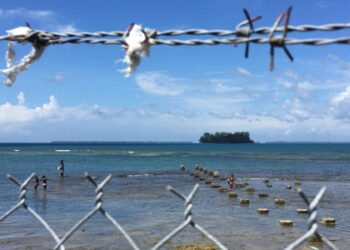
A visit to Buada Lagoon brought many of these connections into focus.
As one of Nauru’s significant natural areas, the lagoon and its surrounding landscape highlight the importance of healthy ecosystems in a country where land and natural resources are under pressure. Soil health, biodiversity, food security and sustainable land management are not separate concerns; each has implications for community wellbeing and future development opportunities.
The country’s energy transition tells a similar story.
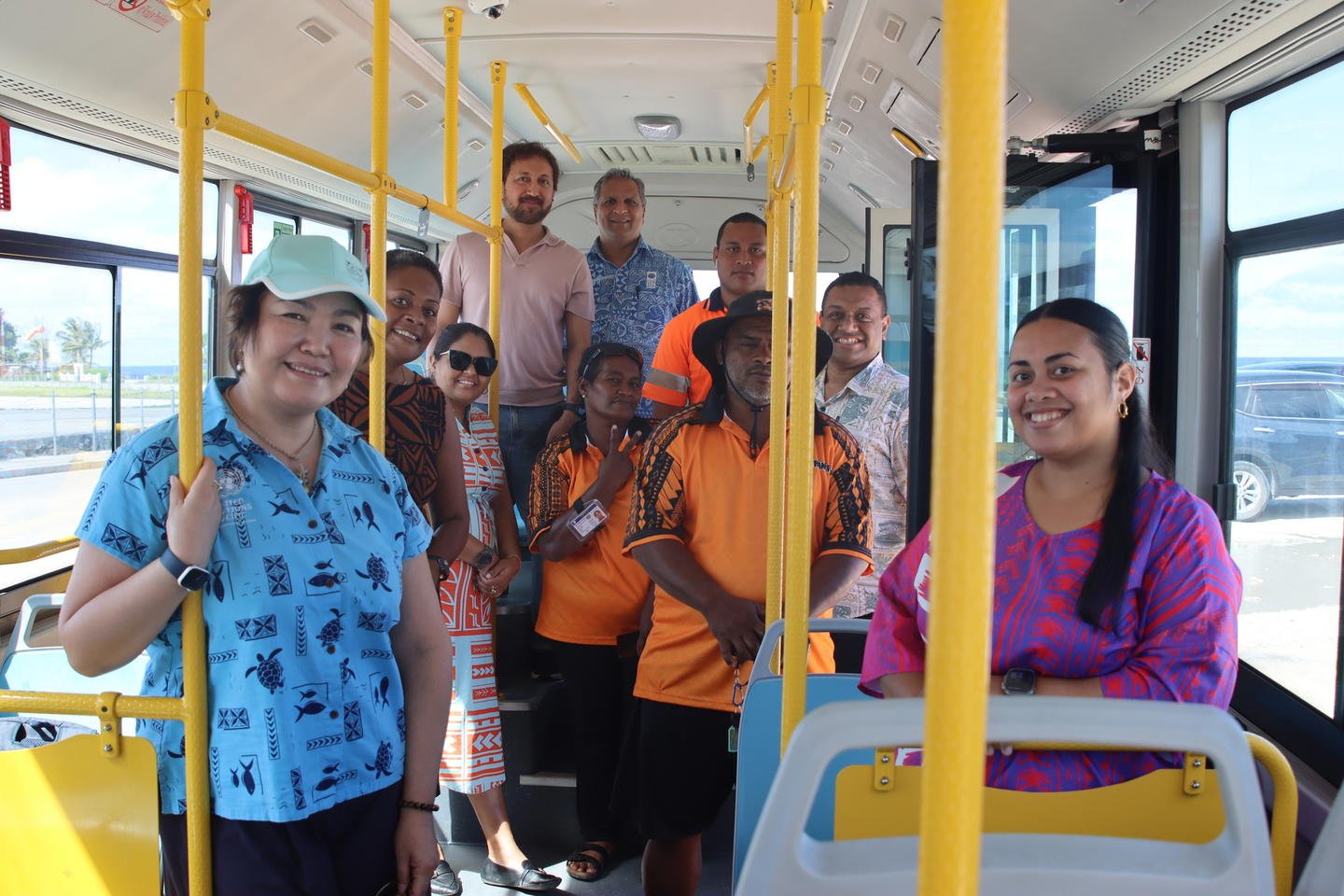
Through initiatives such as the SMARTEN project, Nauru is investing in cleaner and more reliable energy solutions, including renewable energy, electric mobility, and energy-efficient technologies. These investments help strengthen energy security, reduce reliance on imported fossil fuels, and support a more sustainable future.
Energy is also closely linked to wider development outcomes. Strong systems can support local economic activity, strengthen resilience to external shocks and improve wellbeing. Seen in this way, Nauru’s energy transition is not a standalone sectoral effort, but part of the country’s broader development journey.
The mission also provided an opportunity to meet with young leaders whose aspirations reflected both optimism and ambition. Conversations centred on leadership, skills development, employment opportunities, and the role young people will play in shaping Nauru’s future. Their perspectives served as a reminder that development is ultimately about people.
How will Nauru’s next chapter evolve depends on how effectively the country connects governance with service delivery, environmental stewardship with economic opportunity, cleaner energy with resilience and wellbeing, and national ambition with the aspirations of its people.
For a country whose story is so often told through the challenges it has faced, there is another story worth paying attention to which is one of a nation strengthening its foundations, exploring new possibilities and making deliberate choices about the future it wants to build.