Havana/The energy crisis, which has paralyzed printing presses, suspended presentations and reduced circulation to symbolic figures, has left many provincial publishing houses empty and has turned the publication of a book into an exceptional event in Cuba. In this panorama of blackouts and paper shortages, the literary map of the month of March was drawn, above all, from exile and the diaspora.
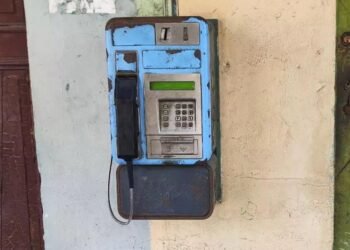
In Havana, editors and proofreaders describe a routine marked by uncertainty. Power outages force work to stop for hours, IT equipment suffers frequent breakdowns, and print shops can barely complete the most urgent commitments. Added to this precariousness is the lack of transportation and fuel, which makes it difficult to distribute the few copies that manage to leave the machines. Thus, the book printed on the Island has become an increasingly scarce object.
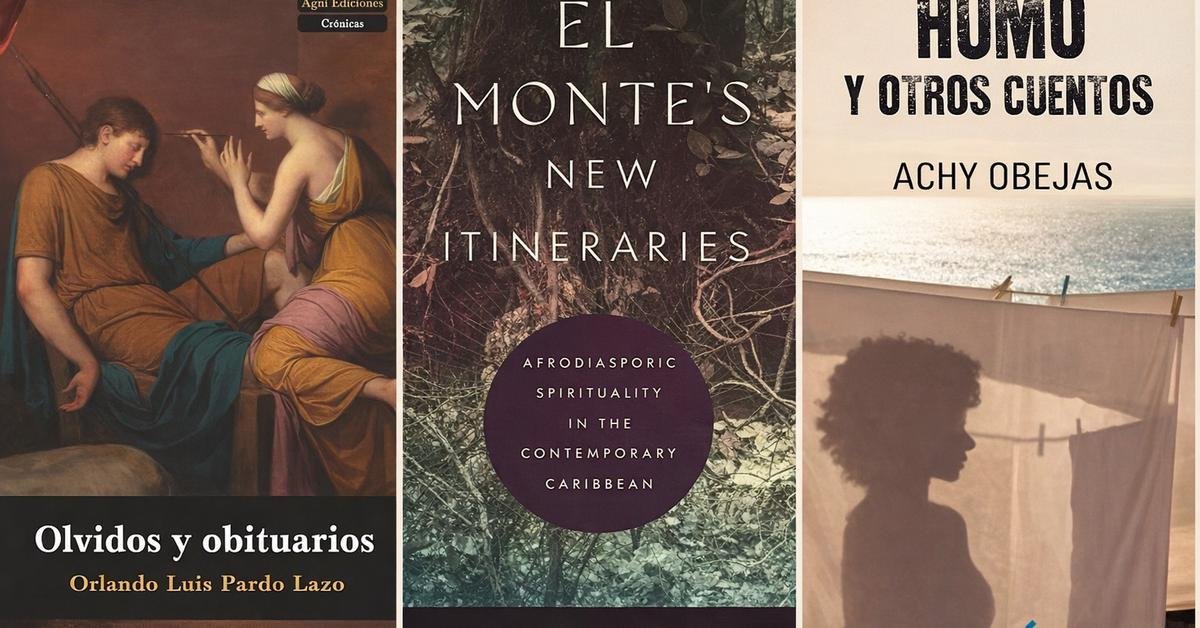
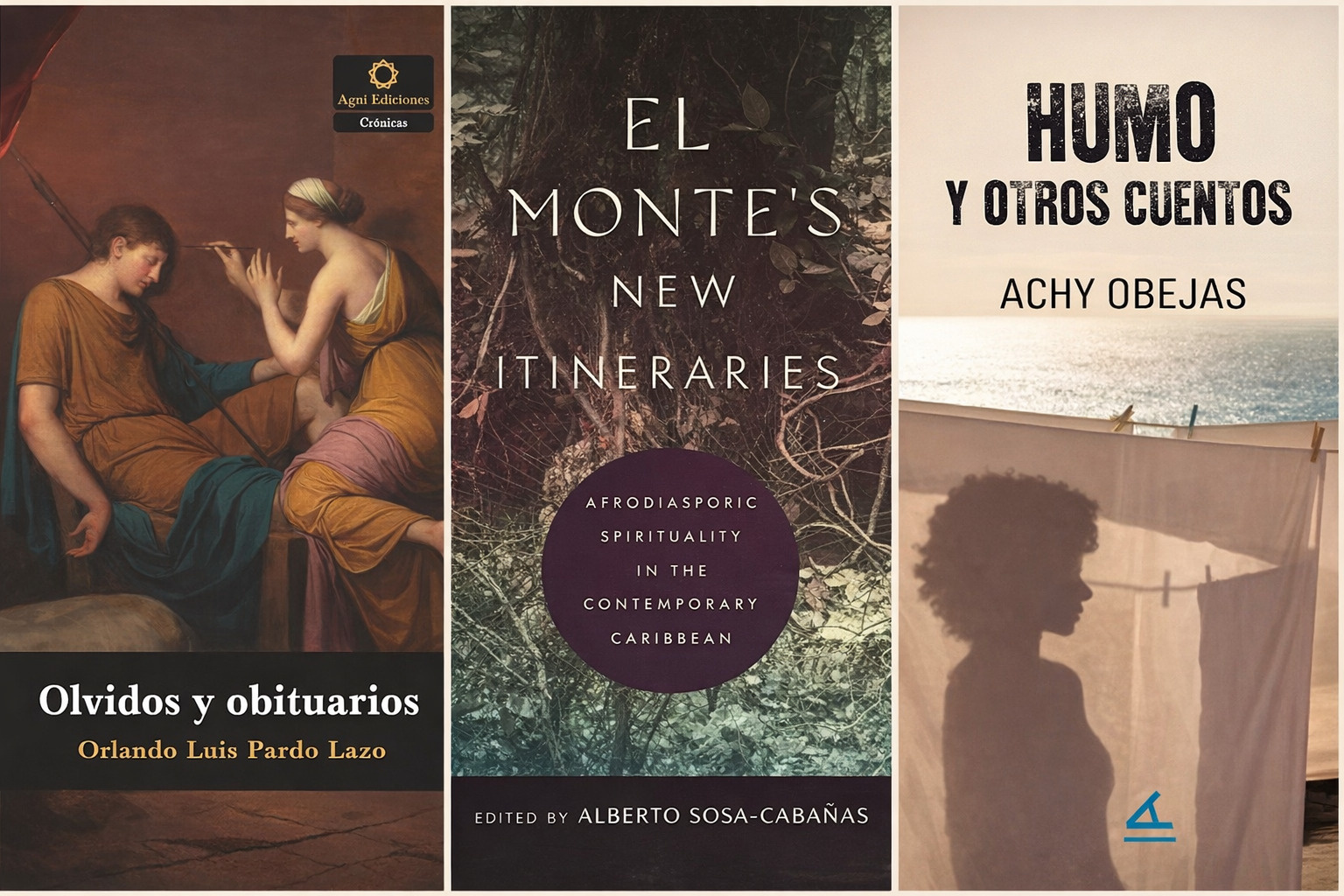
Meanwhile, in other cultural settings, news was announced that keeps the discussion about Cuban identity and its intellectual legacy alive. One of the most talked about titles in March was El Monte’s New Itinerariesby researcher Alberto Sosa, presented as the first volume dedicated entirely to the study of The Mount (1954), by the Cuban author and ethnographer Lydia Cabrera.
Considered one of the most influential texts in the cultural history of the Caribbean, Cabrera’s book intertwines ethnobotany, popular orality and Afro-Cuban traditions, and has exerted a notable influence on disciplines as diverse as anthropology, theater and even science fiction literature in the region. Sosa’s work aims to examine this legacy from a contemporary perspective and highlighting its validity in spiritual and medicinal practices of the Hispanic Caribbean.
Obejas’ new work “dismantles the myth and turns it into flesh,” by placing its characters in recognizable settings in Havana.
Another relevant publication of the month was Smoke and other storiesby Cuban-American writer and translator Achy Obejas. The volume brings together stories that explore memory, desire and violence from an intimate and urban perspective. According to the Puerto Rican novelist and essayist Yolanda Arroyo Pizarro, Obejas’ new work “dismantles the myth and turns it into flesh,” by placing her characters in recognizable settings in Havana, Los Sitios, El Vedado and Old Havana, where the city stops being a simple backdrop and becomes a force that shapes the decisions and silences of those who inhabit it. In these stories, exile appears as an emotional and narrative experience that is constantly rewritten, a wound that opens and closes with each memory.
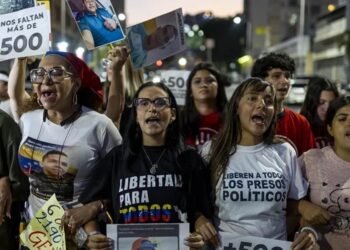
In the field of poetry, March was marked by the announcement of a publishing project that aims to rescue silenced voices. The poet Katherine Bisquet reported that she is working on the selection of authors for the anthology Poems written in prison. From Castro’s first prisoners to the Black Springa book in progress that seeks to make visible the literary production of Cuban political prisoners. The objective of the work is to gather texts written under conditions of confinement and censorship, where writing became a form of resistance and a symbolic space of freedom. The initiative has sparked interest among cultural organizations and human rights defenders, who see poetry as a tool to preserve the memory of repression.
Orlando Luis Pardo Lazo presented his book ‘Olvidos y obituarios’, a volume that includes chronicles and short texts characterized by their experimental and provocative style.
Also in March, in Madrid, the writer and photographer Orlando Luis Pardo Lazo presented his book Oblivions and obituariesa volume that collects chronicles and short texts characterized by their experimental and provocative style. His prose, defined by the author himself as a “vocubalary”, combines word games, irreverent humor and cultural references that dialogue with the Cuban literary tradition. For the essayist Miguel Correa, these pages embody the discourse of those who have been marginalized by the official narrative, while the critic Gustavo Pérez Firmat has pointed out that, behind the linguistic pirouettes, one perceives “a sadness that borders on desperation.”
The contrast between this creative vitality abroad and the editorial paralysis within the Island became evident on March 31, during the official commemoration of Cuban Book Day. The ceremony, held at the José Martí Memorial in Havana, had a more political than cultural tone. The event recalled the creation of the National Printing Press in 1959, but the main speech was given by Michel Torres Corona, director of the Nuevo Milenio Editorial Group and host of the television program Con Filo, who turned the day into an exercise in ideological reaffirmation before officials of the Ideological Department of the Central Committee of the Communist Party and the Ministry of Culture.
Far from being a party for readers, the celebration left the sensation of a cultural sector trapped between material scarcity and political servility. Bookstores with empty shelves, fairs suspended due to lack of electricity and publishers that barely work make up the current panorama of the book industry in Cuba.