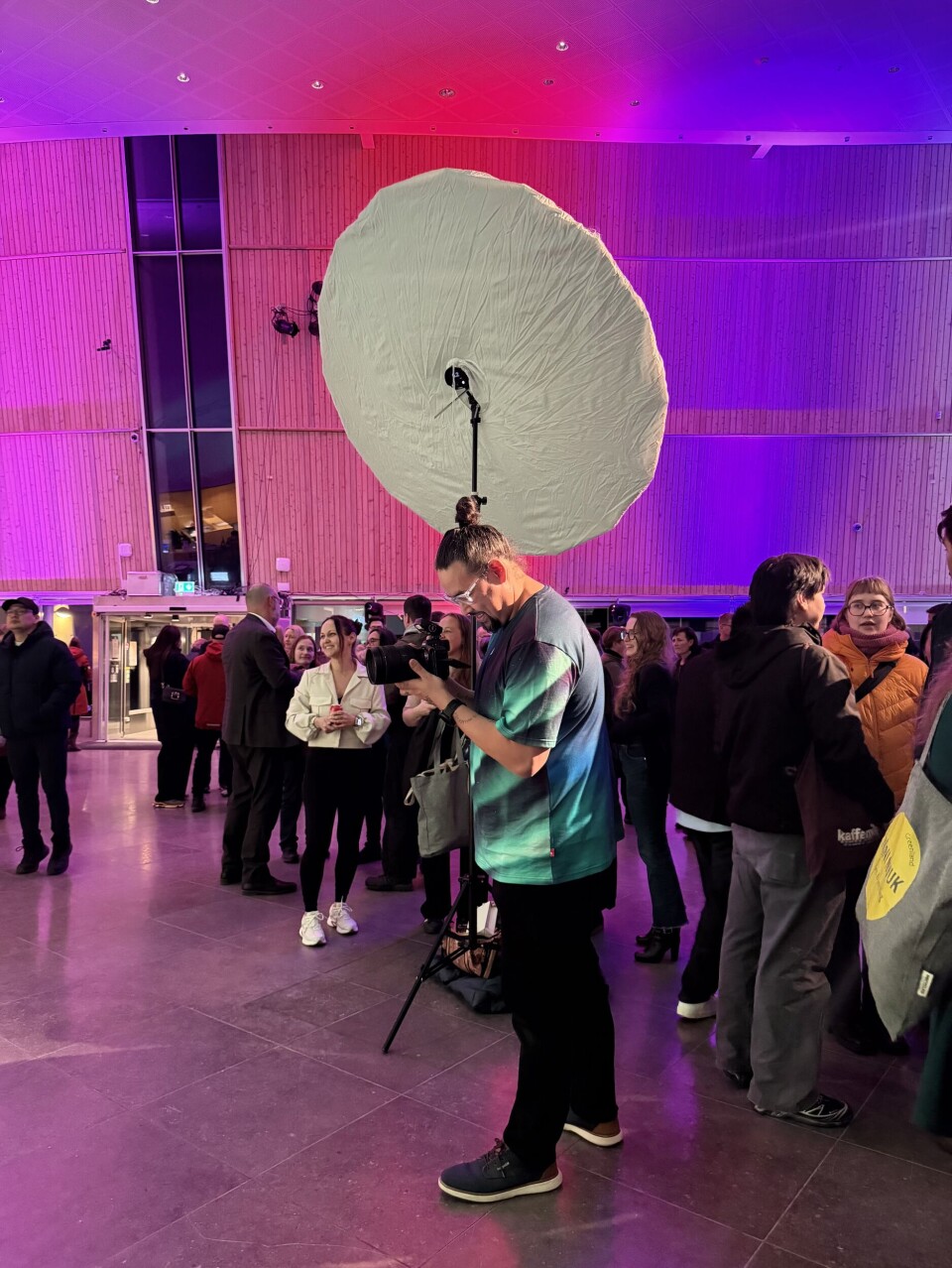
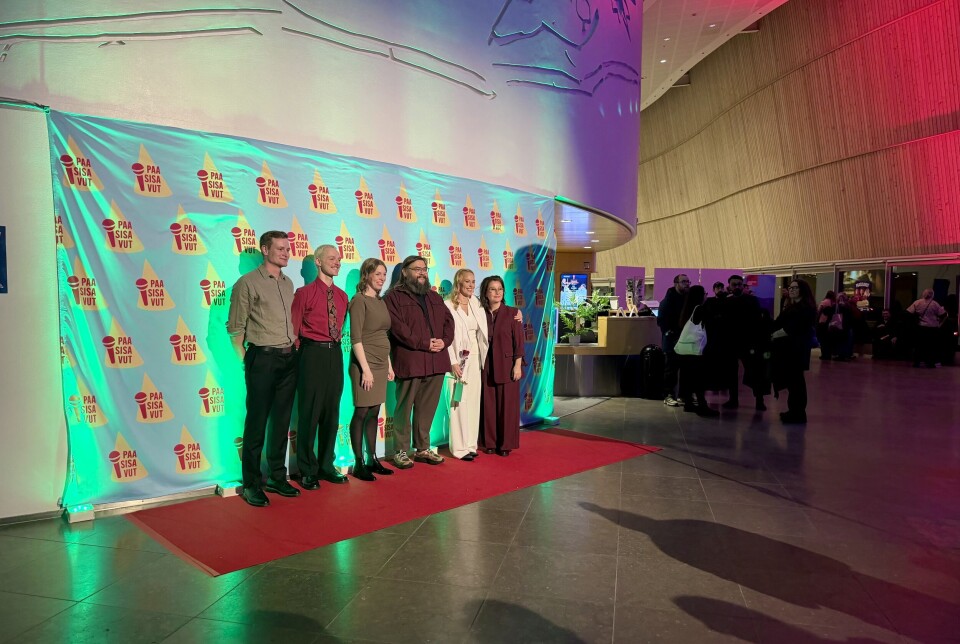
It’s Friday evening in Katuaq, where a red carpet leads into the Hans Lynge hall.
Here, five researchers will shortly take to the stage to convey their knowledge at the Paasisavut research dissemination competition.
On the way into the hall are curious nuummiutter, people from the research environment and cheering family members. Among them is Kistina Sabina, who has come to support her daughter ArnâraK’ Patricia Bloch, who will talk about her research on suicide prevention among young people.
– I’m so excited! I haven’t even eaten dinner, says the proud parent.
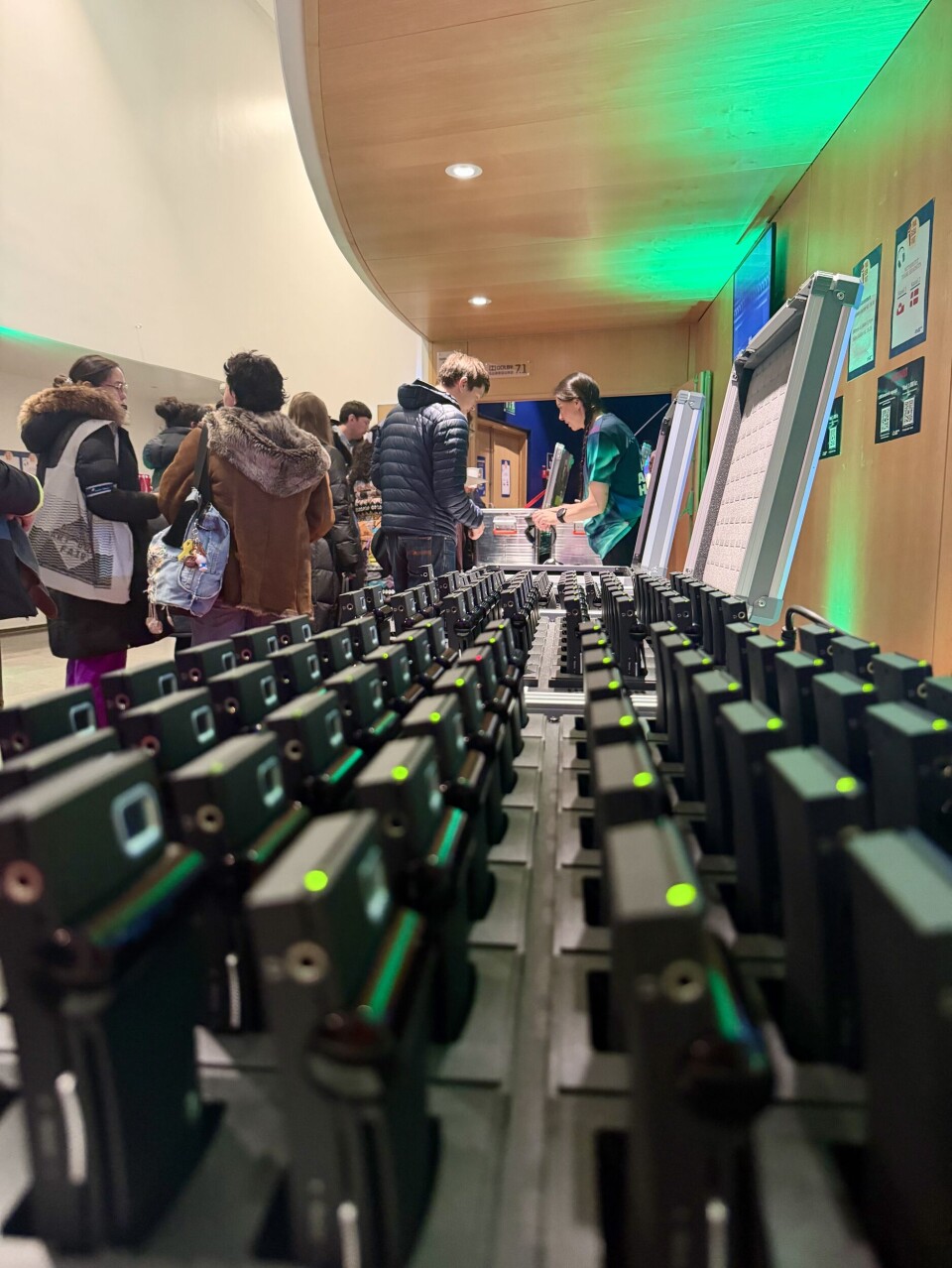
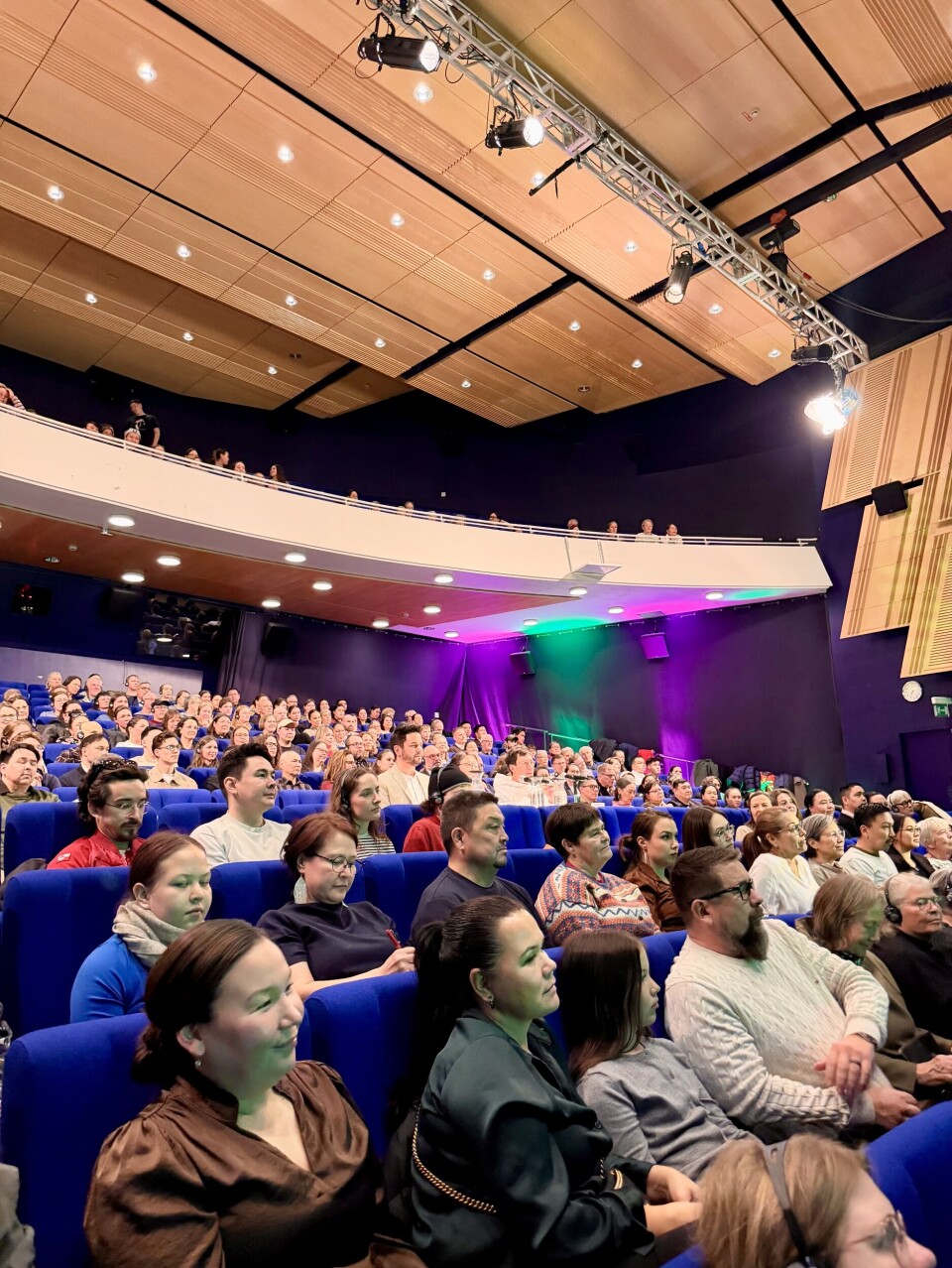
Malou Papis has also secured one of the free tickets for the sold-out show.
– As an interpreter, I think the linguistic communication itself is interesting, she says.
But most of all, she has turned up to have a nice Friday with those she accompanies. They are looking forward to finding out what the researchers are doing – and how they will convey their knowledge so that everyone can follow along.
We must share the excitement
– The reason why you do research is not to solve problems. It’s to get us all excited about the world we live in. So of course we all have to share that excitement, says geologist and professor Minik Rosing, as the doors to the Hans Lynge hall have been closed and the show has started.
Together with actor Ane Marie Ottosen and ophthalmologist and former Paasisavut winner Nick Duelund, he sits on the competition’s judging panel. The show’s presenter, Kimmernaq Kjeldsen, has asked why research should not just be between researchers, but out to the public.
There is a moment of silence after Minik Rosings has spoken, before she says “good answer” and triggers a round of applause.
And then it’s show time. The first finalist is Hans Peder Kirkegaard, who is working on a PhD. at Ilisimatusarfik. It is about the role of politicians in the changed security policy landscape. On the screen behind him you see a picture of two kayakers in troubled water.
– There is a rebellion in the world. It is as if we are in a storm, he says gesturing and looking at the audience.
A concrete block in hand
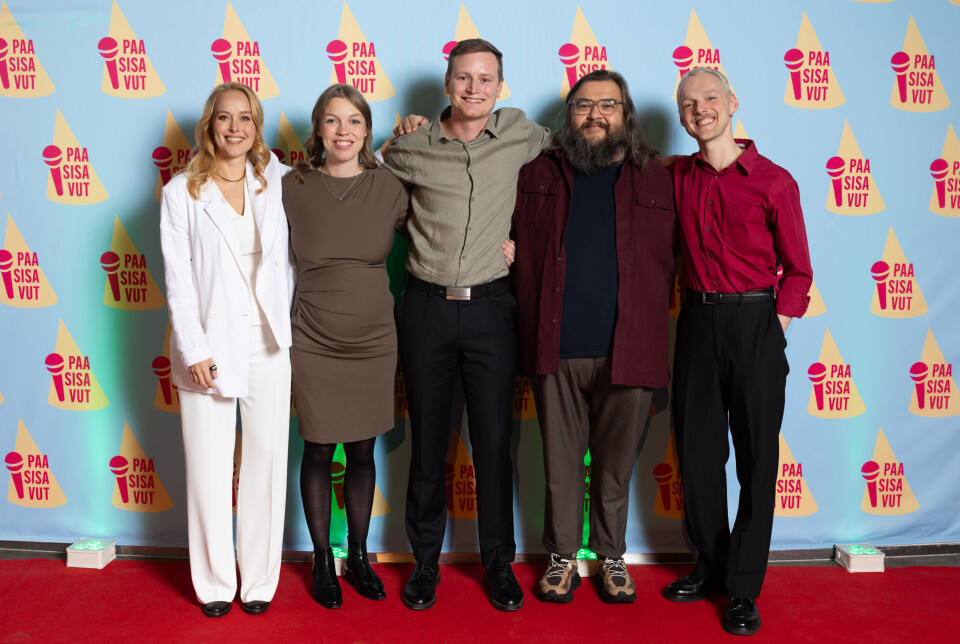
After Hans Peder Kirkegaard, the other finalists, Frederik Braüner, ArnâraK Patricia Bloch, Louise Pindstrup Scavenius and Viktor Gårdman, step on stage one by one and speak for a maximum of five minutes.
Frederik Braüner researches architecture and urban planning during modernization and looks at how Denmark’s colonial policy left its mark on cities and housing. ArnâraK’s Patricia Bloch investigates young people’s stories about surviving suicide attempts and looks at, among other things, what can strengthen well-being and prevent suicidal behaviour.
Louise Pindstrup Scavenius researches school students’ experiences and looks at how teaching and pedagogy can support students’ learning, while Viktor Gårdman wants to understand the role of mosquitoes in ecosystems and their importance for nature and the interaction between species.
What their presentations have in common is that they far from feeling like lectures.
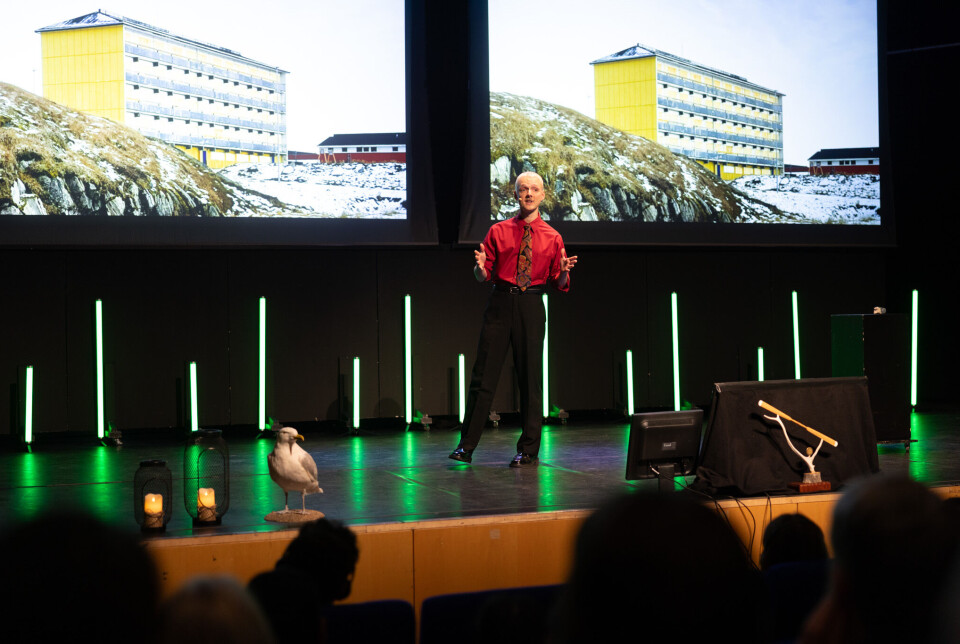
Frederik Braüner begins his speech with a piece of concrete from a demolished block in Paamiut in his hand. ArnâraK’s Patricia Bloch lights a candle and asks the audience to wish each other a good evening, because she has been told how big a difference that question can make.
Louise Pindstrup Scavenius performs a play as if she were a child who is bored at school. And Viktor Gårdman uses a sound effect that can annoy most people: a buzzing mosquito.
They have been in Nuuk all week to prepare their presentation and receive stage coaching. And it pays off. The hall cheers, claps and laughs.
DKK 50,000 to the winner
There is NOK 50,000 on the check that Ane Marie Ottosen is now holding on stage. After she and the other two judges have voted, it must be given to the winner of Paasisavut 2026. In addition to the jury, conference and participants, the chairman of Naalakkersuitsut Jens-Frederik Nielsen has come on stage to present the statuette created by Peter Kujooq to the winner.
A heartbeat sounds in the hall. Now the winner must be chosen.
It has been very difficult to choose, says Nick Duelund, before revealing it:
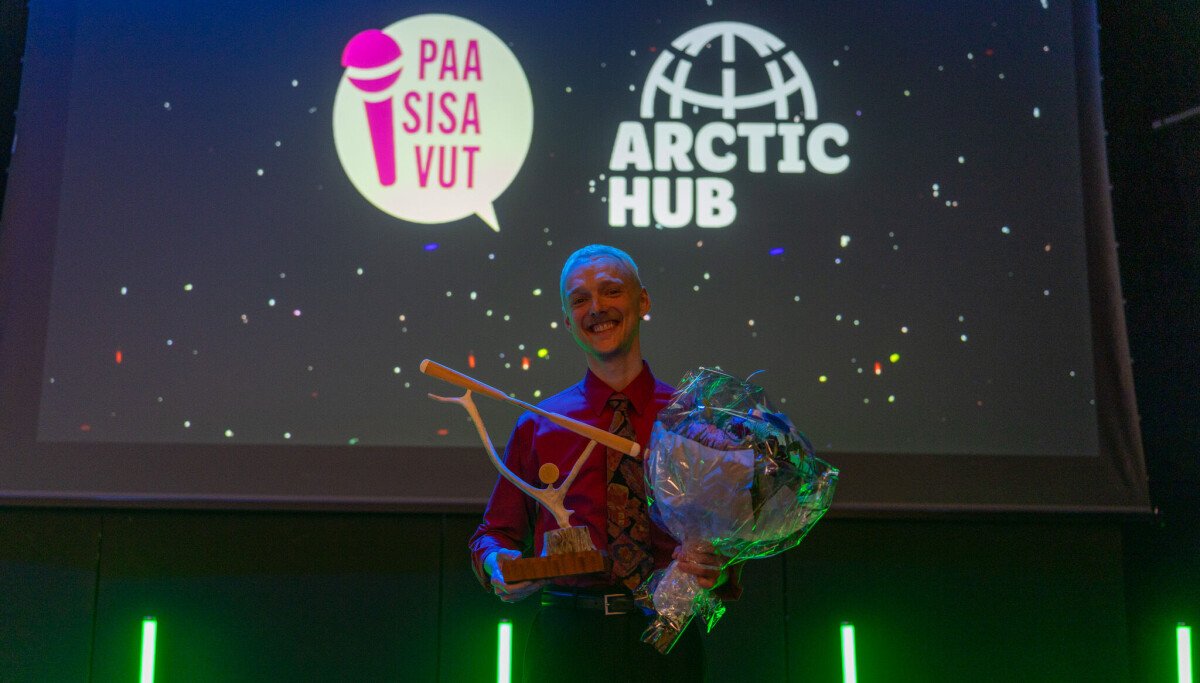
The winner is Frederik Braüner, who humbly puts his hand on his heart before receiving a check, statuette, flowers and applause.
– It was difficult to announce a winner, because they were all so good, says Nick Duelund after the show.
Frederik Braüner won because he had the best common thread, he says.
– He managed to drag some things from the past into the present. He was able to present the darker chapters in Greenland’s history in a very beautiful way, and that means a lot, says Nick Duelund.
Finding hope in the history of modernization has also been a focal point for Frederik Braüner.
– I wanted to find out how we can come out on the other side of a dark chapter, and use history to make the world a better place, says Frederik Braüner.
Important with relatable research
Paasisavut is organized by the Arctic Hub and this year is the third year the competition has been run.
– We hold Paasisavut because it is important to get the research out into society and make it relatable and understandable, so that it can form the basis for some of the decisions that are made about our future and our society, says secretariat manager Avijâja Rosing-Olsen and adds:
– We want to give our children and young people role models that they can look up to, look up to and learn from. Because if the participants can, so can they, says Avijâja Rosing-Olsen.
If you missed Paasisavut 2026, you can watch it with Danish interpretation here and Greenlandic interpretation here. Sermitsiaq.AG has previously interviewed ArnâraK’s Patricia Bloch and Viktor Gårdman about their research. Read along here: