Iran and Israel have announced that they have stopped attacking each other following the call of US President Donald Trump. At the same time, both sides expressed readiness for a long-term conflict.
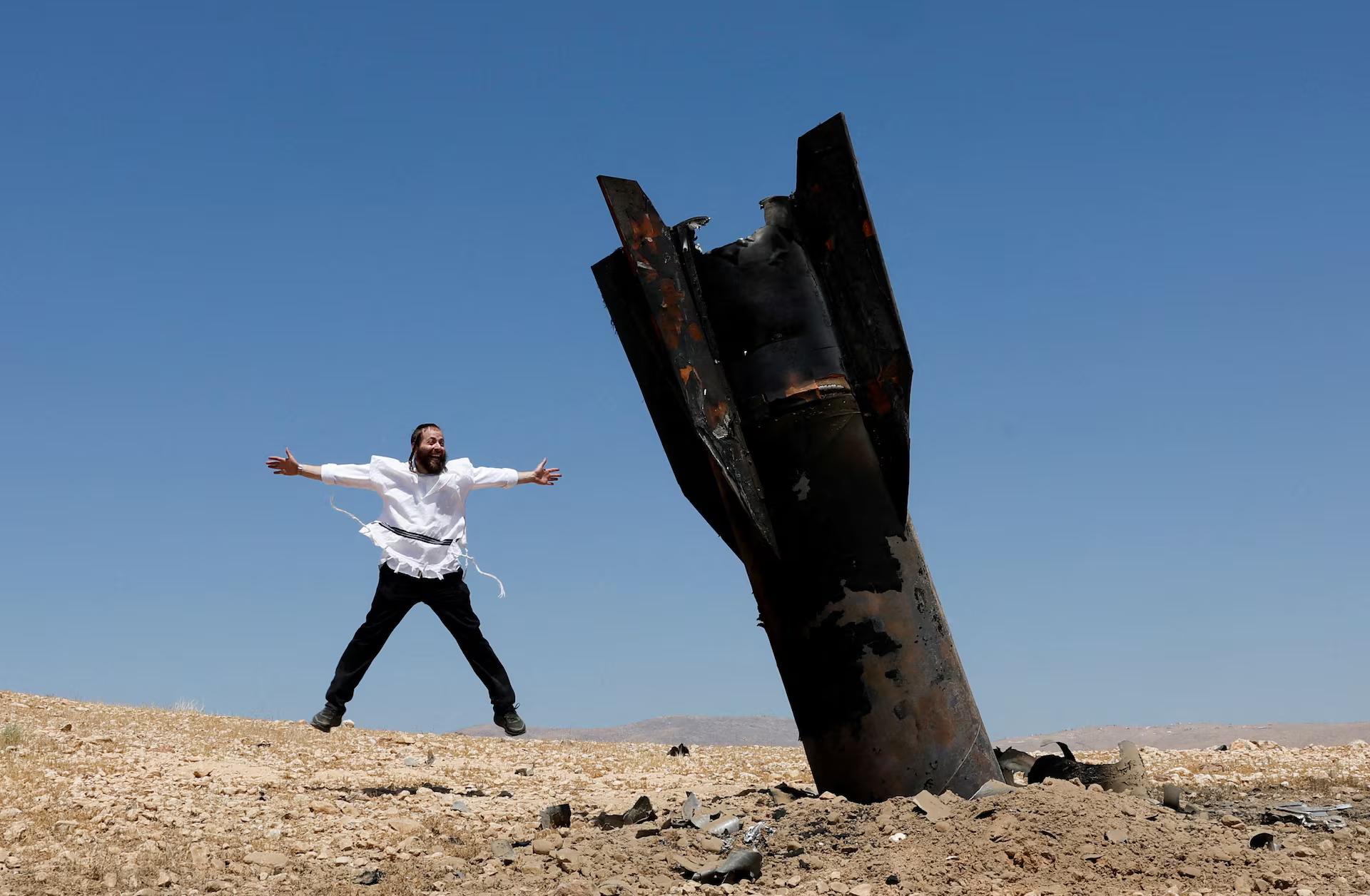
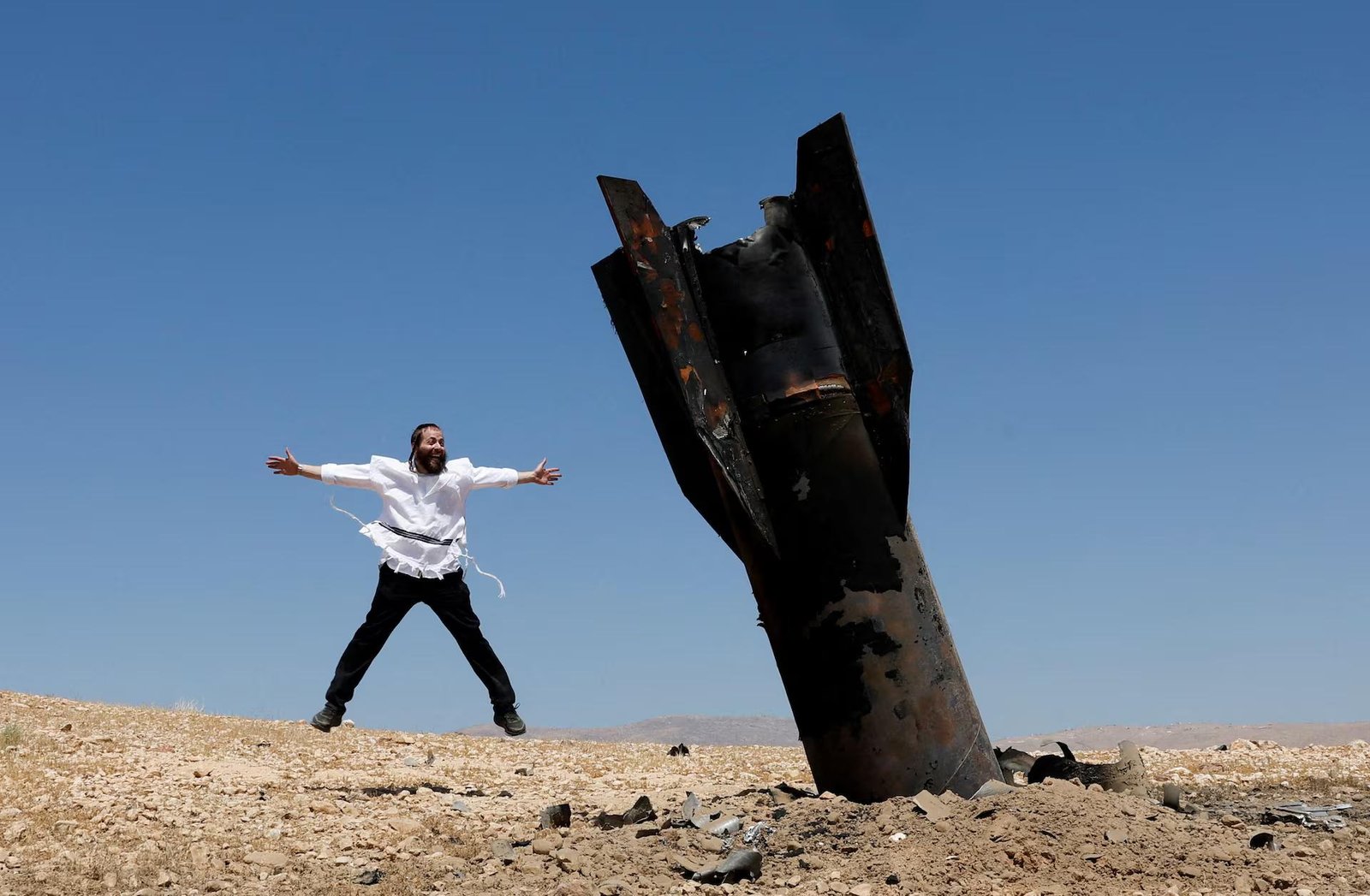
Remnants of an Iranian missile that fell on the West Coast / Photo: Reuters
After the April truce between Iran and Israel collision – It was also possible for the United States to destroy the efforts of the agreement to end the war with Iran.
Reuters as writtenoil prices rose up to 5% after the wave of attacks. But it dropped again after the Iranian military announced the end of the first wave of strikes against Israel. The US dollar, however, fell below its highest level in nearly two months.
On Sunday evening, Tehran fired rockets at the territory of Israel as a response (revenge) to the attacks on the suburbs of Beirut – “Hezbollah”. Israel then struck a petrochemical plant said to be used in Iran’s air defense systems and ballistic missile production.
Iran’s Islamic Revolutionary Guard Corps responded by targeting a similar plant in the Israeli city of Haifa. Officials from both sides did not release casualty figures.
Iran and Israel announced on Monday that they had stopped attacking each other following a call from US President Donald Trump.
However, the Israeli military official of the country’s operations “to continue as long as necessary” He said he was ready.
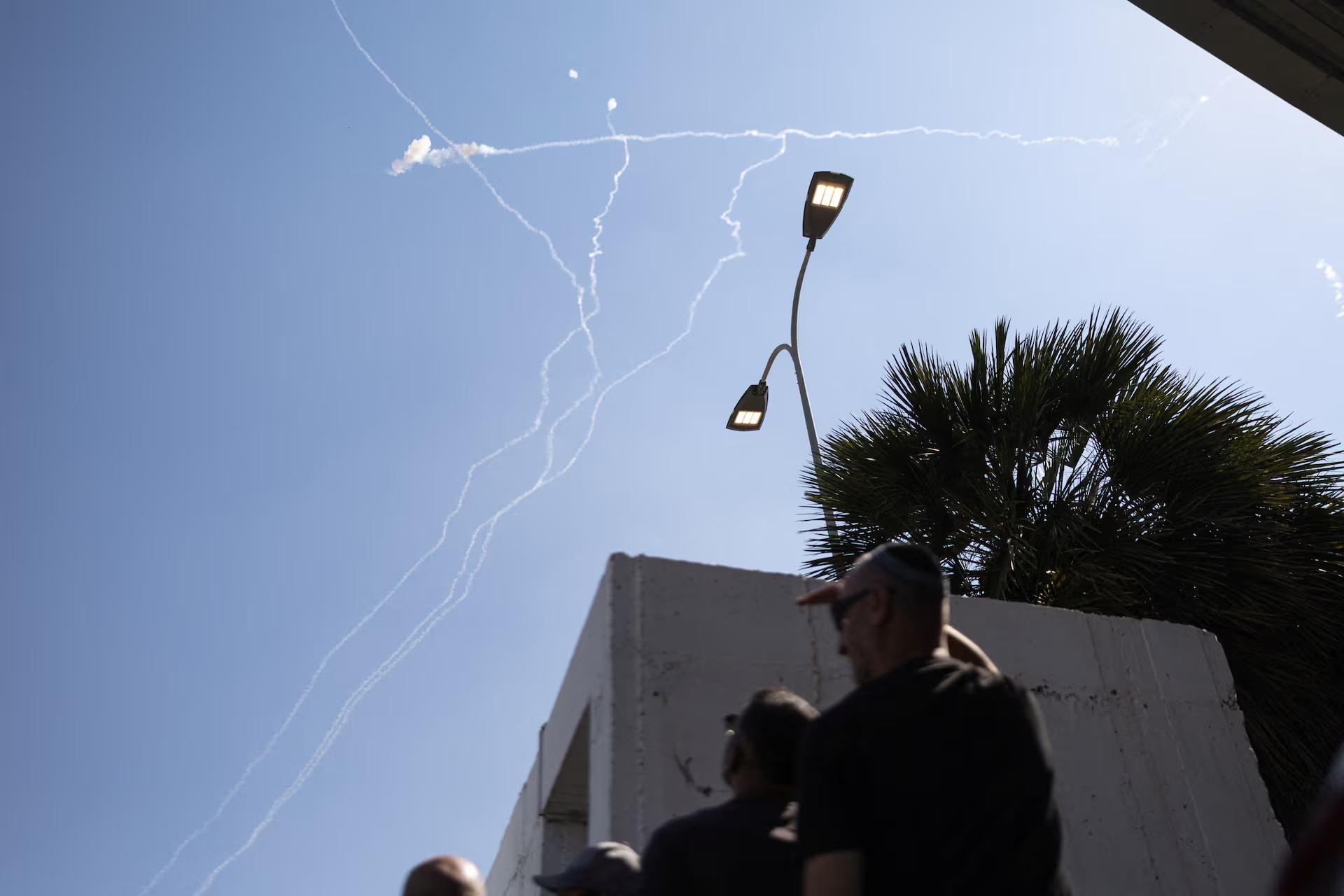
Iranian officials responded in a similar tone. According to a military source quoted by the Tasnim news agency, Tehran is ready for a long-term conflict and may resume strikes against US interests in the region. At the same time, Tehran has warned that it will resume military operations if Israel continues to attack Hezbollah in Lebanon.
Trump is trying to stop them
On Monday, Trump said both Israel and Iran wanted an immediate ceasefire. “Unless ignorance or stupidity interferes, the final ‘Peace’ negotiations are underway”he wrote on the social network.
According to US and Israeli officials, Trump and Israeli Prime Minister Benjamin Netanyahu spoke again on the phone on Monday.
According to Axios in the interview Trump said he warned Netanyahu that if the Israeli leader starts another war with Iran, he could be left alone. “I told her, ‘Bibi, you’d better be careful, or you’ll soon be all alone.'” Trump’s words are quoted by a publication close to the White House.
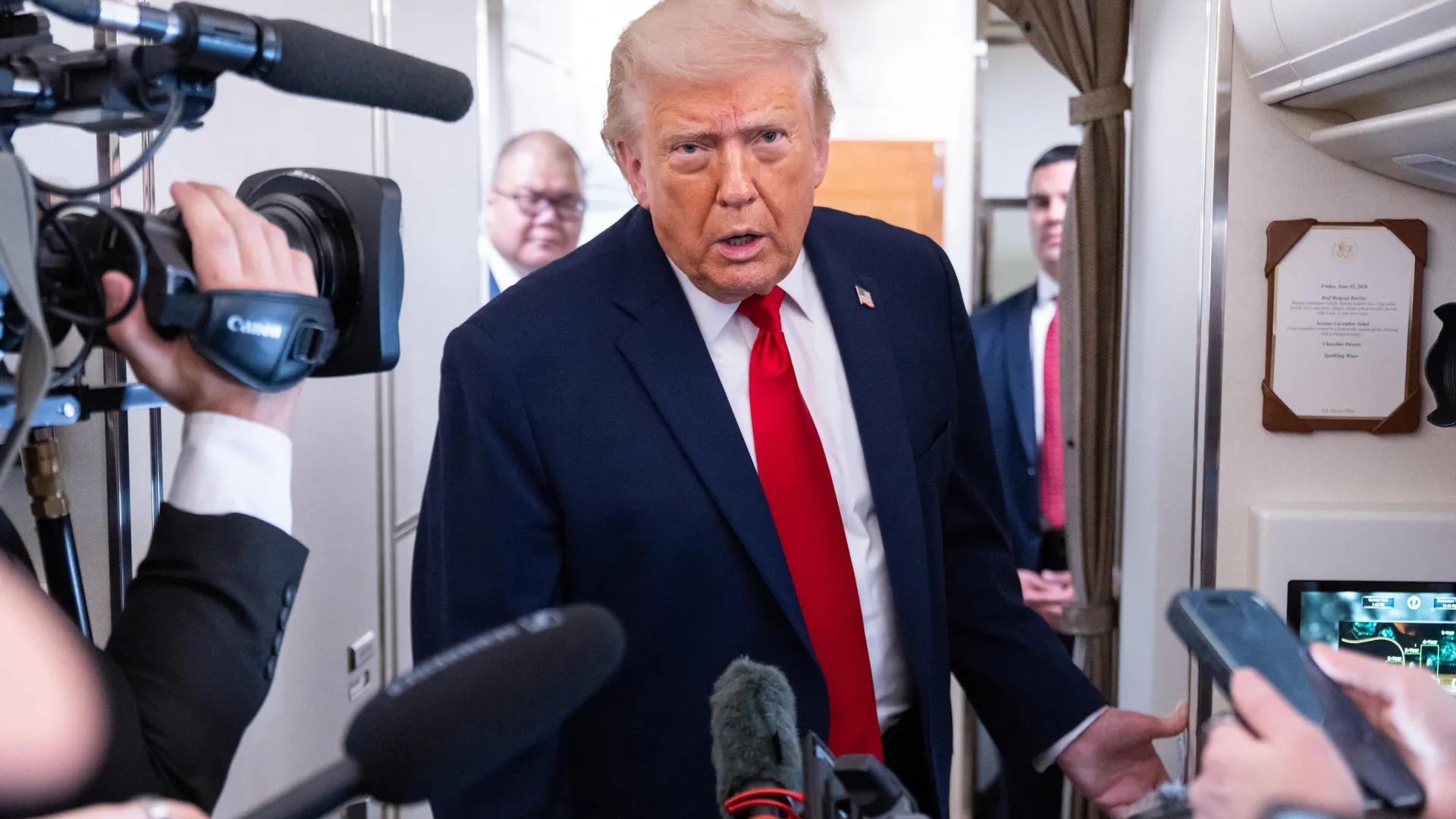
Israel’s ambassador to the United States, Yechiel Leiter, denied reports that Trump pressured Netanyahu. He said the talks between the two leaders were in a spirit of cooperation and accused journalists of exaggerating misleading fiction.
According to Danny Orbach, a military historian at the Jewish University in Israel, Israel sent an important signal to the US by striking Iran despite Trump’s words: no final deal with Iran can be reached unless Israel’s interests are taken into account.
The brief resumption of hostilities between Israel and Iran and Netanyahu’s defiance of Trump’s demands were yet another episode that exposed the occasional tension between the two conservative leaders.
Iran and its proxy forces have become more active
Iran’s Foreign Ministry spokesman Ismail Baghai said messages from Tehran to Washington are being exchanged in an atmosphere of “extremely high level of suspicion.”
Ibrahim Azizi, head of Iran’s parliament’s national security committee, has warned that any move against its national security or its allies in the region, including the Houthis in Yemen, will be met with a firm and costly response.
Against the background of these attacks, the Houthis in Yemen also promised to stop the movement of Israeli ships in the Red Sea and reported that they fired missiles at Israel.
The Israeli military later confirmed that a suspected aerial target launched from Yemen had been shot down after warning sirens sounded in the Eilat area.
The Houthis have so far largely stayed out of the regional war. They control the territories located in the Red Sea Strait. This area is becoming increasingly important as an alternative route for the transportation of millions of barrels of oil per day from the Middle East after the closure of the Strait of Hormuz.
Lebanon-Israel talks will resume
Israel has not stopped fighting in Lebanon since March, killing thousands of people. They insist that this issue should be considered separately from any ceasefire between the US and Iran. “Hezbollah” also continued its attacks.
And Tehran has long said that any peace deal with the US depends in part on an end to the fighting in Lebanon. Israel invaded Lebanon in March to pursue Hezbollah fighters who had joined the war.
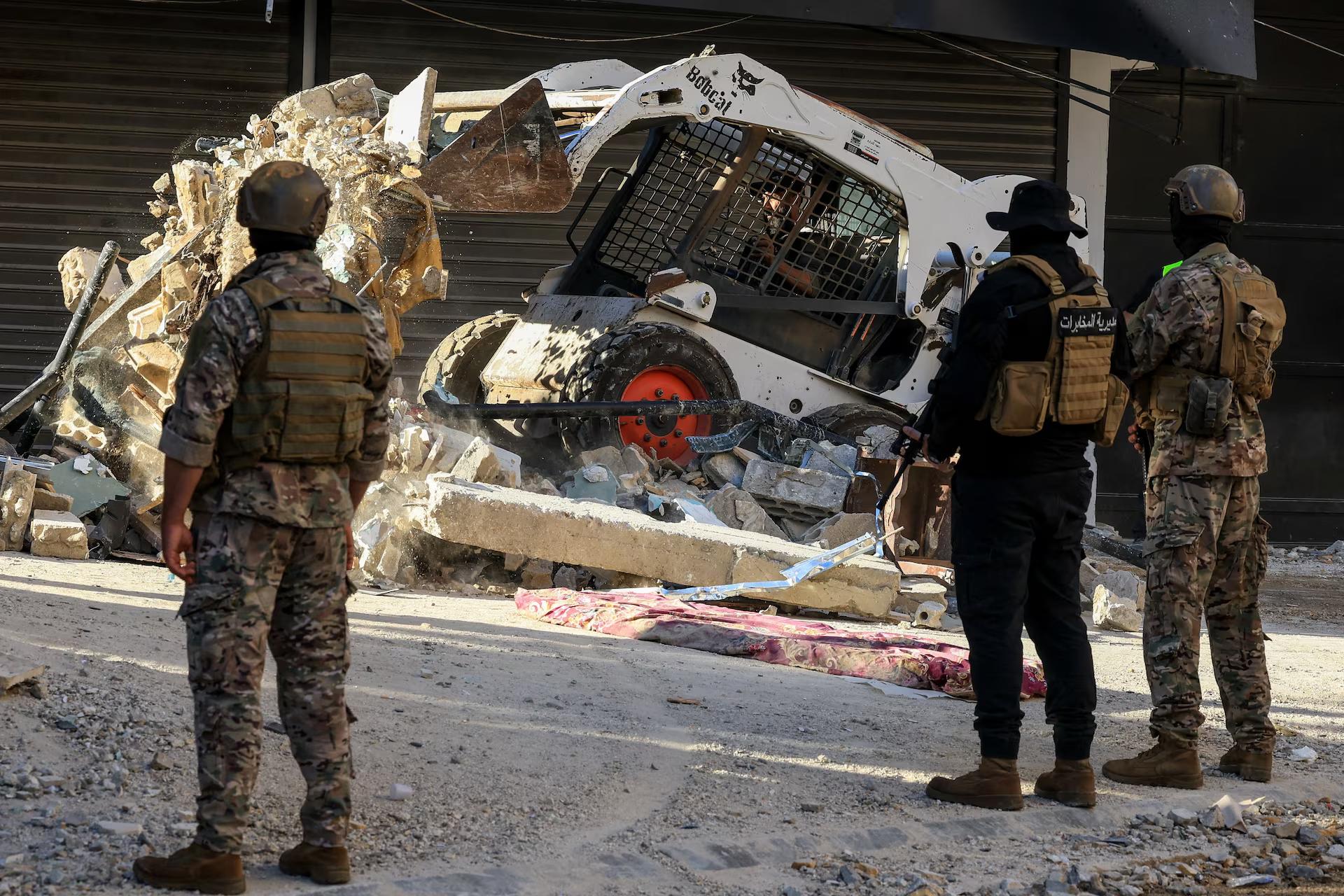
US Ambassador to Lebanon Michelle Issa announced on Monday that Lebanon-Israel talks are scheduled to resume in Washington.
Tehran continues to block the Strait of Hormuz, through which a fifth of the world’s crude oil and liquefied natural gas were transported before the war. Washington, in turn, blockaded Iranian ports.
Trump has said that any peace deal must guarantee that Iran cannot develop nuclear weapons. Iran’s demands include the lifting of international sanctions, the release of billions of dollars in frozen assets and recognition of its control over the Strait.