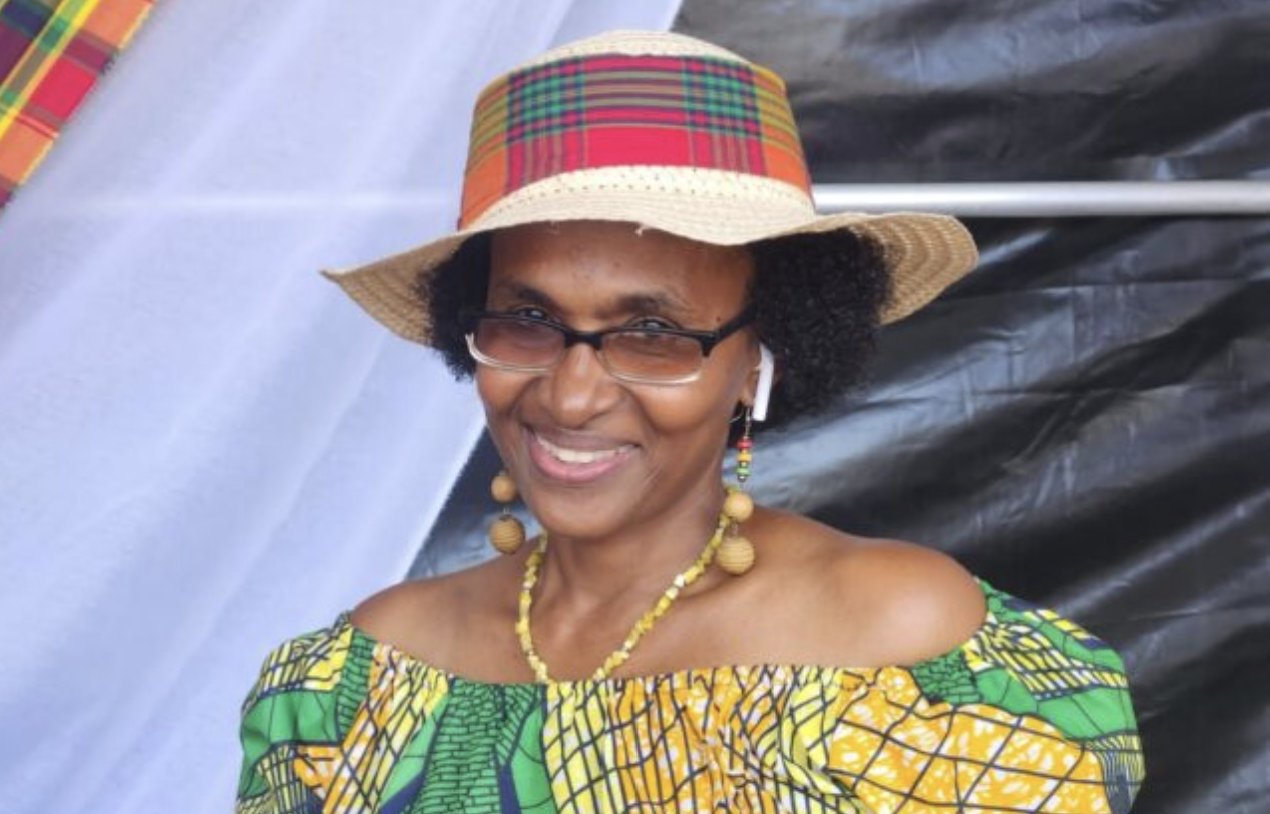

Inclusive education consultant, instructional designer and disability rights advocate Beverly LeBlanc has called for accessibility to be incorporated into Dominica’s digital transformation from the outset, warning that technological progress will not be truly inclusive if persons with disabilities are unable to use online services independently. LeBlanc, an educator with more than 30 years of experience, made the appeal following her participation in the Internet Society Advocacy Workshop in Brussels from October 13 to 15, 2026.
In an interview with RF Media Services on Tuesday, LeBlanc, who is an associate professor at the Dominica State College and executive director of Circle of Friends, The Achievement Learning Center and ECAMM Education Consulting, described the workshop as both a professional and personal milestone. She said her participation provided an opportunity to bring Dominica’s perspective into international discussions on Internet governance, digital rights and inclusion. During a visit to the European Parliament, she also engaged with a member of the European Parliament on policy developments, including the Digital Services Act, the Digital Fairness Act and initiatives aimed at protecting children online.
She said the discussions reinforced her view that digital transformation must focus on people’s rights, access and equal participation, rather than technology alone. LeBlanc noted that she was the only participant representing an English-speaking Caribbean country and used the opportunity to share Dominica’s experiences and work in inclusive education and disability rights. The workshop also focused on strengthening advocacy skills, including communicating effectively with decision-makers, developing messages for impact and building professional credibility.
Networking with advocates and professionals from different countries was another significant aspect of the workshop, she said, creating opportunities to exchange experiences and establish relationships that could lead to future partnerships. LeBlanc highlighted the principle that inclusion must extend beyond classrooms and into the digital environment, arguing that access to an Internet connection does not necessarily translate into meaningful access. She said persons with disabilities may own computers or smartphones but still encounter barriers when attempting to independently navigate government websites and other online platforms.
LeBlanc explained that Internet governance involves the policies, principles and decisions shaping how the Internet is developed and used, including questions about access, representation and the protection of rights. She said persons with disabilities must be involved in shaping those decisions, rather than being treated only as recipients of digital services. She also emphasized the need for small island developing states such as Dominica to contribute to international discussions, ensuring that digital transformation does not deepen existing inequalities. “If digital transformation is not accessible to persons with disabilities, then it is truly not inclusive transformation,” she said.
As a practical measure, LeBlanc urged the government to ensure that public websites and digital services meet internationally recognized accessibility standards, particularly the Web Content Accessibility Guidelines (WCAG). She said accessible platforms should allow users to navigate with a keyboard, provide image descriptions for screen readers, present information in clear formats, include captions on videos and enable persons with disabilities to complete online transactions independently. She also stressed that accessibility should be considered during the initial design and development of platforms, with persons with disabilities involved in testing and evaluating them.
LeBlanc said she intends to build on the advocacy work undertaken through her Internet Society fellowship and her initiative, “Bridging the Digital Divide,” by engaging government ministries, disability organizations and technology stakeholders. She said the process should begin with an assessment of existing websites and services to identify barriers and determine what improvements are required. The initiative, she added, would require technical expertise, resources and sustained collaboration, while government should integrate accessibility into digital policies, legislation, procurement and public-service development. She also called on educational institutions, technology providers, civil society and disability organizations to support awareness, training and accountability, emphasizing that persons with disabilities must be involved from the beginning in identifying problems, shaping solutions and assessing outcomes.
The educator said her Brussels experience had strengthened her commitment to ensuring that Dominica plays an active role in shaping its digital future. She plans to engage stakeholders and incorporate digital literacy, digital citizenship and accessibility into teacher education and professional training. LeBlanc also underscored the importance of independence, saying people should not have to rely on others to access services and exercise their rights. She concluded that “the country’s progress should be measured not only by its technological advancement, but also by how many people can meaningfully participate in the opportunities that technology creates.”