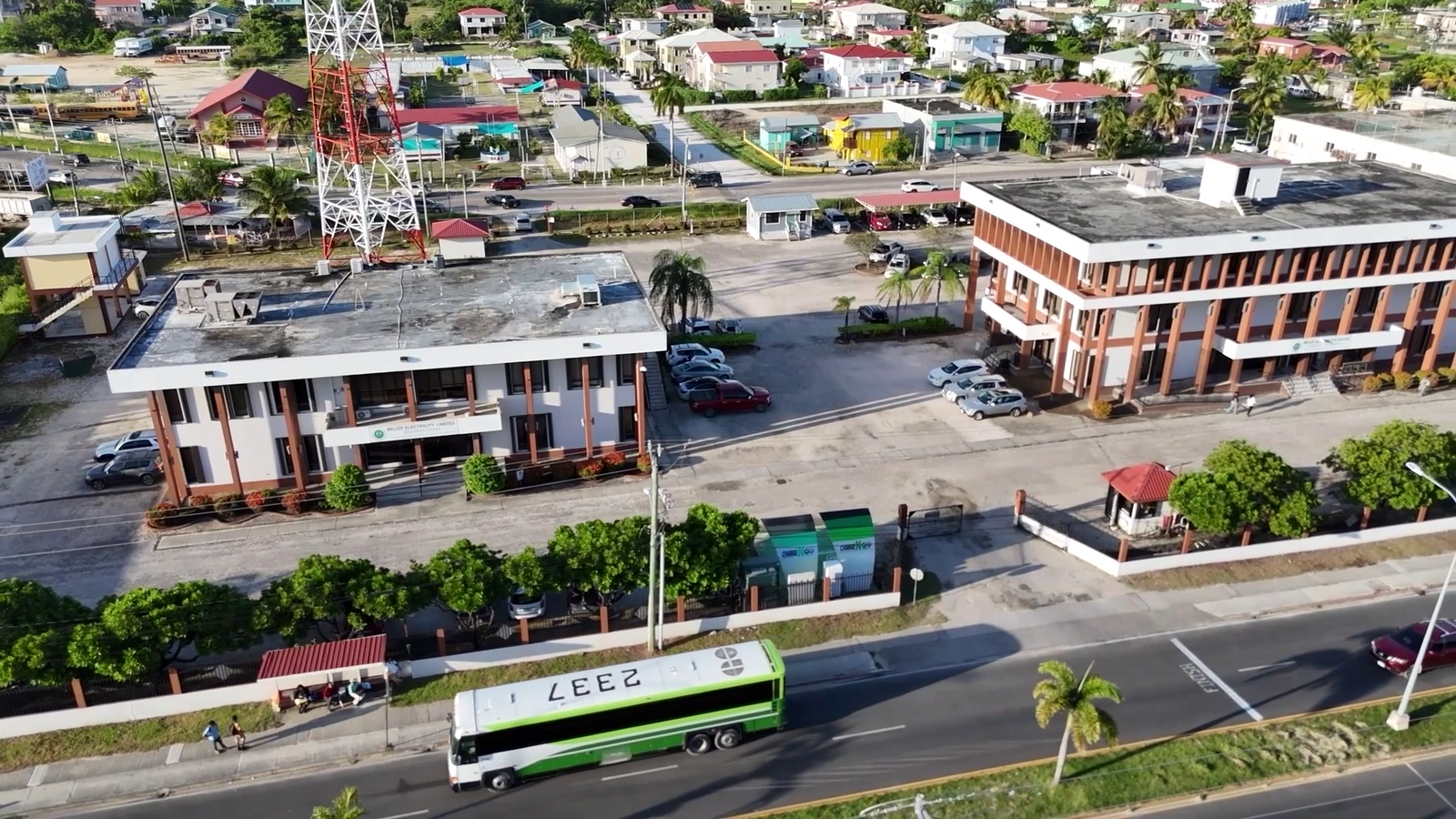
The government has stepped in more than once to help keep Belize’s lights on, but exactly how much has that support cost taxpayers? Last week, BEL Executive Chairman Lynn Young revealed that the utility company owes Mexico’s Comisión Federal de Electricidad more than thirty million dollars and has relied on government assistance to meet some of its payment obligations. Today, we pressed Prime Minister John Briceño for the total amount his administration has pumped into BEL. He did not provide a figure, insisting instead that the priority is not the price tag, but ensuring that homes and businesses across Belize continue to have electricity.
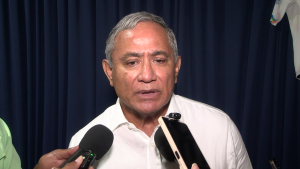
Prime Minister John Briceño
Prime Minister John Briceño
“We don’t give any money to BEL. What we have done, remember, we have, and I think Lynn Young has said it best, if you have a taxi and you need to change the engine, you the bail out the taxi? You are not. You are fixing your taxi. The same thing when it comes to BEL. BEL for many reasons, including that the cost of electricity has been going up considerably and we don’t want to put that burden on the Belizean people, what we have done is then able to, as the main shareholder, to invest money back into BEL. It is an investment that we believe in the years to come when we start investing in solar, because of the declaration of an emergency for energy in Belize, that we will be able to sign with some companies. There are several that are already negotiating with BEL that could come online within six months, within a year, at much cheaper rates than what we are presently buying. So we work in all of these things. So it is not about we are giving, but it is an investment in an asset or company that we the taxpayers own.”
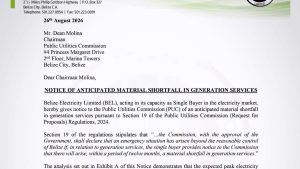 BEL Calls for A National Energy Emergency
Belize could face a serious power shortage within the next year. BEL warns that electricity demand is closing in on the country’s available generation capacity, putting the stability of the national grid at risk. The utility wants government to declare an emergency so it can urgently secure additional power. But before Cabinet can make that call, the Public Utilities Commission must first review BEL’s request.
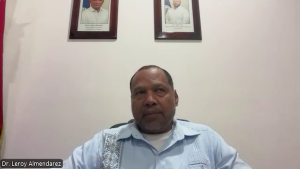
Leroy Almendarez
Dr. Leroy Almendarez, CEO, Ministry of Public Utilities
“The next step after the Cabinet approves it, or if the Cabinet approves it, after all that deliberation, the next step is, after that decision is made, and that approval is given, the PUC by order, based on the Cabinet approval, puts out an order. That is what they put out, an order and that order indicates to BEL, yes, you can now procure that emergency generation. What I have established here is the transparency within the whole process. We don’t want it to be said that BEL can just go out and determine that I want to get from x or y. That is not what is happening. BEL does not just go out and say, well I can see the emergency coming up and so I just go and do so. Don’t forget and this must always be at the back of our minds, that there is a regulator called the PUC and so once they are now, because they have indicated, you have indicated as the single buyer, because there is an emergency, there is an entity an identified entity that is ready to satisfy that shortfall then that negotiation takes place.”
CEO Almendarez says if the projected shortfall extends beyond the identified period, then there will likely be further engagements when that time comes around.
Attention readers: This online newscast is a direct transcript of our evening television broadcast. When speakers use Kriol, we have carefully rendered their words using a standard spelling system.
Watch the full newscast here: