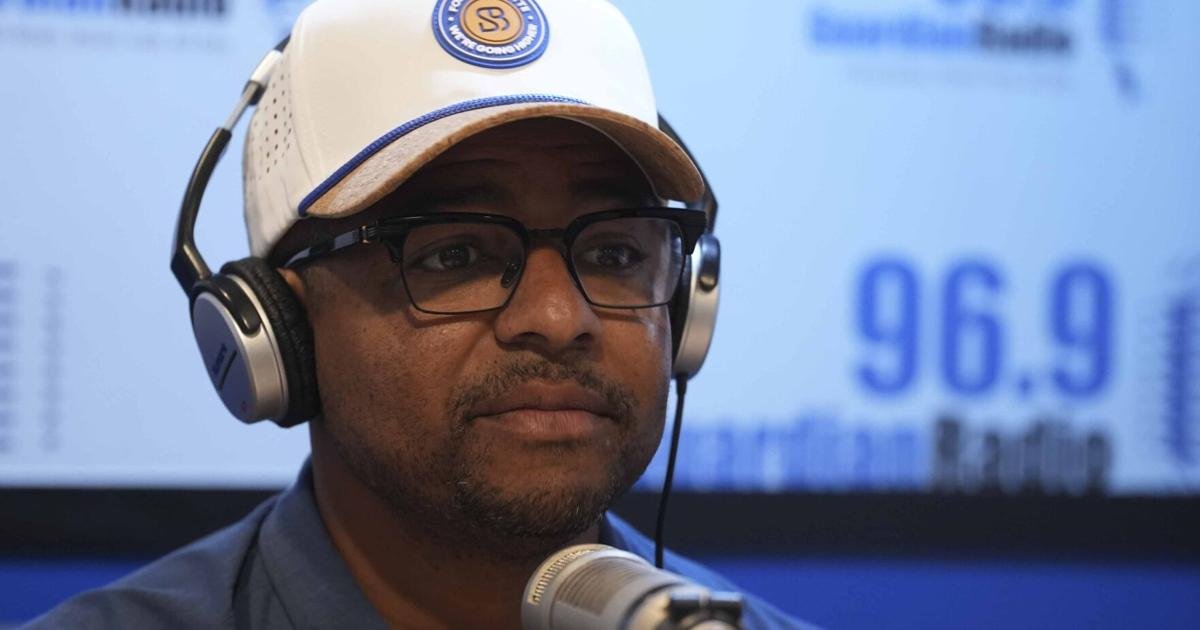
Island Luck Co-Founder Sebas Bastian, who is the Progressive Liberal Party’s (PLP) candidate for Fort Charlotte in the upcoming general election, said yesterday the Free National Movement (FNM) is, by way of its pledge to establish a national lottery, simply seeking to make the
government another “numbers man”.
“I do not oppose a national lottery,” said Bastian on Guardian Radio’s “Morning Blend Business” with Dwight Strachan.
“… The second point is, let’s call it what it is. It’s not a national lottery. It’s the eighth number house, run by the government, because a lottery is just a compilation of numbers games.
“That’s a fancy title for numbers, so the government wants to open the eighth web shop.”
FNM Leader Michael Pintard said at the party’s campaign launch on Sunday that a national lottery would finance sports, education, youth development, social intervention, and culture.
Bastian said he does not believe the FNM has the “expertise” required to manage one, and suggested that the existing gaming tax proceeds ought to be allocated towards financing the initiatives Pintard mentioned.
“The FNM … increased the taxes by 36 percent, moving the annual revenue they were getting from taxes up to $50 million.
“A more prudent approach, instead of the government becoming a numbers man, is why don’t we reallocate the $50 million that we’re getting now? If we’re serious about these sectors, allocate that first and foremost to education, sports, culture, and youth empowerment; that’s the first place you would start.
“The fifth point is, I looked at the 41 candidates, and which one of them has the capacity to efficiently implement and operate this lottery? Now, I say that with the most respect. I’m just saying from the outside looking in, I don’t know them to have the expertise.”
The FNM’s lottery pledge provoked strong reactions from the PLP, with Prime Minister Philip Brave Davis calling it “desperate” and a “gimmick”.
The PLP, in a statement, said, “For the FNM’s lottery to consistently generate meaningful revenue, they would need a huge share of our small population to buy tickets repeatedly – and lose repeatedly.
“That’s their business model, which means the FNM is committing to spend Bahamian tax dollars to aggressively promote the purchase of lottery tickets. That does not sound like empowerment to us.”
Bastian, who has amassed significant wealth in the industry, also questioned how profitable a lottery would be, claiming it would reduce the taxable revenue brought in by existing number houses.
“It’s easy to be seduced by the idea that just because you’re in the gaming industry you’re going to be profitable,” he said.
“… Even in Las Vegas, there are winners and there are losers in terms of casinos … the difference is in the operations.”
“… So as a citizen of this country, who will be the operator?”
He added, “All that’s going to happen is the tax [revenue generated by] the web shops is going to go down.
“So, instead of collecting $50 million, they’re probably going to collect $30 million or $20 million.
“ And then they need to have operational excellence to ensure that whatever they’re operating on the other side, they’re able to make more than 30, so that collectively that’s more than the 50 they have now.”
Citing the establishment of the Titan fund, which allowed Bahamians to purchase shares in Island Luck, Bastian said that he wants to see greater Bahamian ownership in the industry.
“We need to stop being okay with being spectators of our national prosperity, getting all excited to say numbers boys versus national lottery. That’s not what the conversation is about.
“This is about what is in the best interest of Bahamians. I know if I had to choose, I want to see Bahamians owning more of this industry, not sitting down and hoping that the government operates it well.”
Bastian, however, was one of the operators who just last year asked the Davis administration for an additional 25-year moratorium on the issuance of gaming licenses, which would essentially lock in the extended monopoly for the current group of operators who have enjoyed exclusive access to the industry since it was legalized in 2014.
The Christie administration legalized web shops even after the majority of voters who voted in a referendum voted against doing so.
Voters also rejected the idea of a national lottery.
The then-government said it would not establish a national lottery because consultants had advised that the population was too small to make it viable.
Asked yesterday his position on the moratorium on web shop licenses possibly being lifted, Bastian said, “That’s up to whatever the administration of the time is. The moratorium was never designed to protect any one individual.”
Pressed further, Bastian said he is “not opposed” to the moratorium being lifted.