DRIPA debate is fierce — but reveals few new details

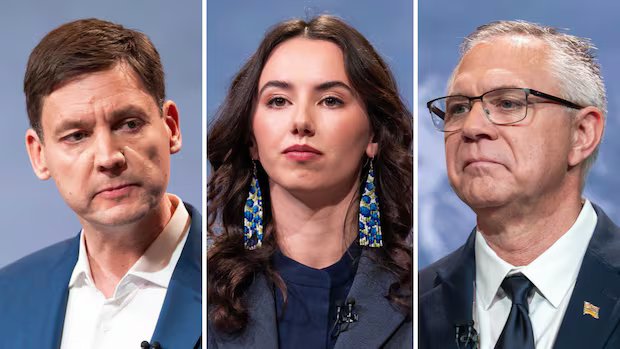
B.C. Green Party Leader Emily Lowan says her party will take the advice of Indigenous leaders and continue to implement DRIPA, adding that the NDP and Conservatives are engaging in a ‘bad faith argument’ about the legislation.
A 10-minute conversation about reconciliation and DRIPA underscores why the subject is both so contentious, emotional, and hard for people to come to agreement about — in part because different groups focus on different aspects of it.
“It is true, we have had a couple of challenging court decisions,” says Eby, referring to the Gitxaała and Cowichan Tribes ruling by the B.C. Supreme Court, prompting the NDP to pledge a re-examination how the landmark legislation can work in the future without raising questions over the future of private property. He adds that the legislation was necessary to ensure certainty for major natural resource projects on unceded land.
“The reason why these [major projects] are happening is because we have entered into partnerships enabled by this law,” he says.
“We cannot afford to have these major projects tied up in the courts.”
Doerkson argues that “court cases are rampant” and that DRIPA has to be repealed — but he’s vague on what sort of process could or should replace it.
Lowan says, “DRIPA has no bearing on private property. It sets out the rules for governments to do their homework, and bring up our legislation.” She accuses the Conservatives of “misinformation and blatant fear-mongering,” before Eby accuses the Conservatives of supporting residential school denialism.
Doerkson says “that’s offensive” and it appears Eby is ready for a highly charged debate over the topic ù but the focus quickly veers back to whether DRIPA is an effective mechanism for change.
“I would say these are really hard issues,” Eby says.
And issues that are hard for leaders to fully sum up their positions over during 10 minutes of talking over one another.