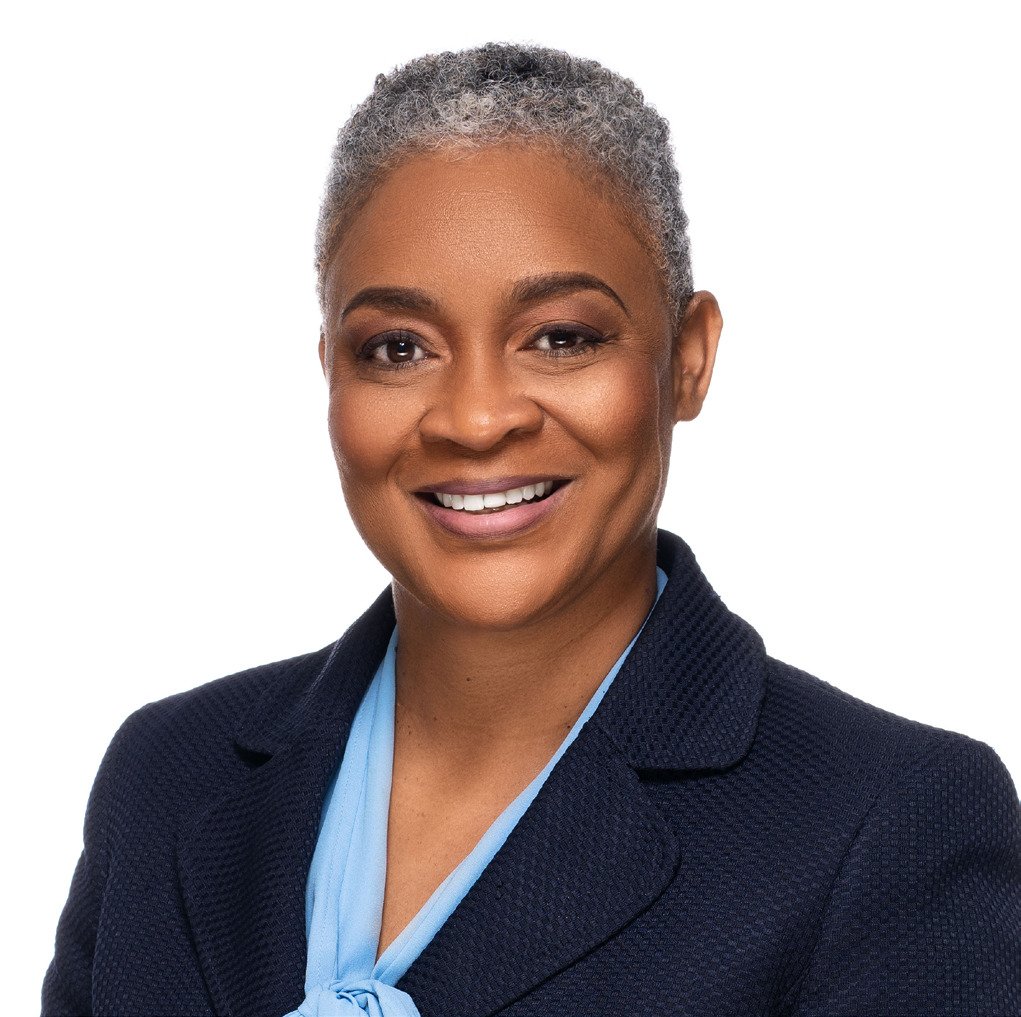
Two defence attorneys have warned that making judge-alone trials compulsory in some cases could weaken safeguards for accused people and further tilt criminal justice reforms in favour of the prosecution.
Their concerns follow comments by Chief Justice Leslie Haynes at the opening of the law year on Monday, suggesting that Barbados should consider removing the requirement for an accused person’s consent to have their case heard by a judge alone rather than a jury, particularly in certain cases.
In his speech in the No. 1 Supreme Court, he said: “I hold the view that the necessity of agreement by an accused to judge-alone trials negates substantially the purpose behind the legislation.
As in other countries, we should consider removing the need for agreement, especially in charges of unlawful possession, whether it be firearms or drugs. The focus has to be on the efficient administration of justice, whilst ensuring that fairness and equity are at the forefront. A judge-alone trial can achieve this.
But attorney Verla De Peiza said such a move would place Barbados in “lonely territory”, noting that her examination of several jurisdictions found few examples of compulsory judgealone trials. She pointed out that jury trials in South Africa had been abolished in an effort to address racial bias, while compulsory judge-alone trials in New Zealand applied only to less serious offences.
De Peiza expressed concern about what she described as “creeping incursions” into safeguards traditionally associated with fair trials and the principle that an accused is innocent until proven guilty.
She told Barbados TODAY: “I speak of the curtailing of unsworn statements, stunting of the right to silence, attempts at compulsory sentences, different attitudes to bail, and most recently, the bill in Parliament this week seeking to tinker with the manner in which previous convictions can be used in sentencing.
“The drip of water will eventually whittle down a stone, and it all seems to point towards a desire for convictions and clear-up rates as opposed to a desire for justice, and that is concerning for me.”
She also criticised what she described as “piecemeal changes” to the criminal justice system, saying they appeared more like “knee-jerk reactions” than the result of a comprehensive policy approach.
“Perhaps what we need instead when looking at removing tried, tested and true legal principles is a wholesale consideration of, and consultation on, a new comprehensive criminal code.”
Defence lawyer Shadia Simpson argued that many recent changes in the criminal justice system had been “proprosecutorial” and increasingly favoured the State, reducing the rights available to defendants to ensure a fair trial.
Acknowledging that judge-alone trials could improve efficiency and be appropriate for certain matters, she remained firmly in favour of an accused person being able to choose the mode of trial.
She said judge-alone trials could be suitable for cases involving “complex legal arguments or extensive pre-trial publicity”.
However, she noted that jury trials could benefit some accused persons by allowing them to be judged by their peers.
“There’s less scope for individual bias or prejudice, and I think that a defendant should be allowed to choose in those instances,” Simpson said.
In his speech, the Chief Justice also said that, with most major common law countries such as England, Canada and Australia having ended the ability of an accused person to give an unsworn statement from the dock, Barbados was also considering this.
Simpson defended the continued availability of unsworn statements, saying these could be particularly important because they might represent an accused person’s only opportunity to give their version of events.
“The courtroom setting can be very intimidating,” she said, pointing to situations involving unrepresented defendants or people with limited education.
She added that an unsworn statement allows an accused to present their account “uninterrupted and in a more composed manner”.
Despite their reservations about some proposed reforms, both attorneys supported the suggested creation of a Public Defenders’ Office as a way of strengthening criminal legal representation and addressing the backlog of cases.
De Peiza said the current legal aid fee structure was unrealistic for attracting young lawyers, noting that the fees had not been revised in more than 20 years.
She suggested that such an office could provide salaried positions for young attorneys, while allowing them to receive guidance from more experienced practitioners and develop their skills.
“It could also go some way towards alleviating the backlog caused by too few counsel practising at the criminal bar.”
Simpson agreed that the facility could help attract younger lawyers by providing greater job security and an incentive to practise criminal law. She believed that there would be a favourable impact on the backlog of cases with the introduction of a public defender’s office, saying “If there are more attorneys, it would mean that you may be able to clear the backlog much faster because you have more persons, more attorneys to try cases.”
However, she was less convinced that simply increasing funding for the Community Legal Services Department would produce the same result, noting that people seeking legal aid often request more experienced attorneys.