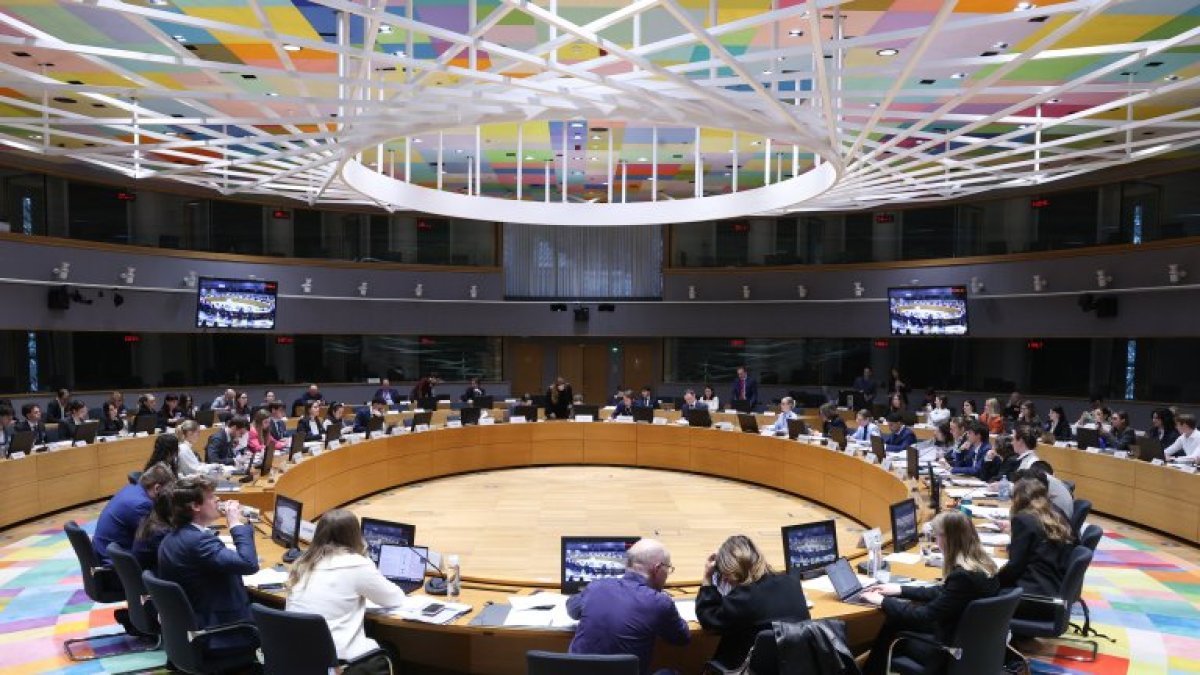
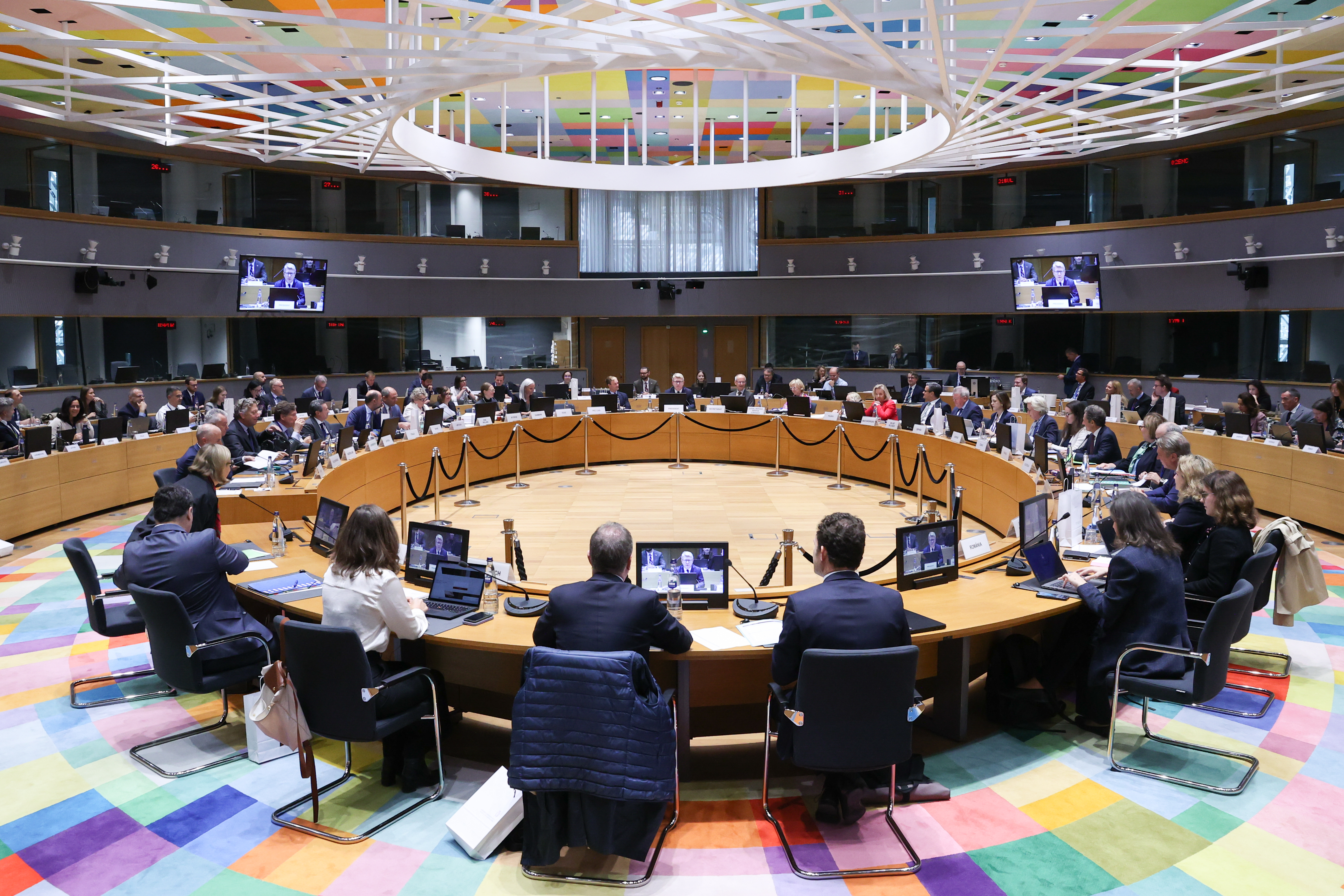
Two and a half years after facing multiple impediments and debates that have stalled the process, Andorra’s association agreement with the EU yesterday he overcame the hurdle that may be the final or, at least, the most expensive. The committee of permanent representatives of the member states (Coreper) of the European Union staged the unblocking of the last Bulgarian obstacle. The positive feelings that the Government had already expressed publicly about the lifting of the eastern country’s reserves were confirmed early in the morning, reaching the unanimity of all Coreper member states. With the approval of the agreement, its mixed nature was also confirmed, which means that it will have to be signed and ratified by both the European Union as by the 27 member states, in addition toAndorra and San Marino. “Today is an important milestone, an important step in this long negotiation of the association agreement”, he said Head of Government, Xavier Espot.
“Today is an important milestone in this long negotiation of the association agreement”
Now, the most immediate step is the approval by the councils of ministers of the various states within 72 hours, and the subsequent validation of the Council of the European Union. Once this first phase is over, the signing of the agreement will come, which could be resolved in the autumn. Once the 27 states of the EU, the Principality, San Marino and the European Commission -in that order- have signed it, the text will be considered stabilized and the ratification procedures will begin. And in this phase the legislative power of the EU, the European Parliament and the parliaments of the 27 member states. It is important to emphasize that they can only vote for or against it, without introducing modifications, and that only in the event that all the legislative chambers give their approval will the agreement go ahead. In fact, it is expected that this step may take a little longer than the ratification of the European Parliament.
“The text is consolidated and the version is final. This should open the door to the referendum”
If there is no obstacle, then everything will be in the hands of the Andorran nationals with the referendum. according to spotat this point citizens will have a “more global picture” of the agreement and will be able to decide with more information. In addition, the head of government insisted that first a process of pedagogy and public debate must be promoted so that “a decision of this importance is not taken “on the basis of mere intuitions”. If the vote were favorable, the agreement would have to be ratified by General Council with a qualified majority of two thirds and could already enter into force. All of this would be the end of a process that began in 2015 with negotiations that lasted more than eight years and were followed by hurdles such as the translation of the text into Catalan, the debate on the nature of the agreement and, finally, the Bulgarian reservations about the foreign affair principality on a bank of San Marino.
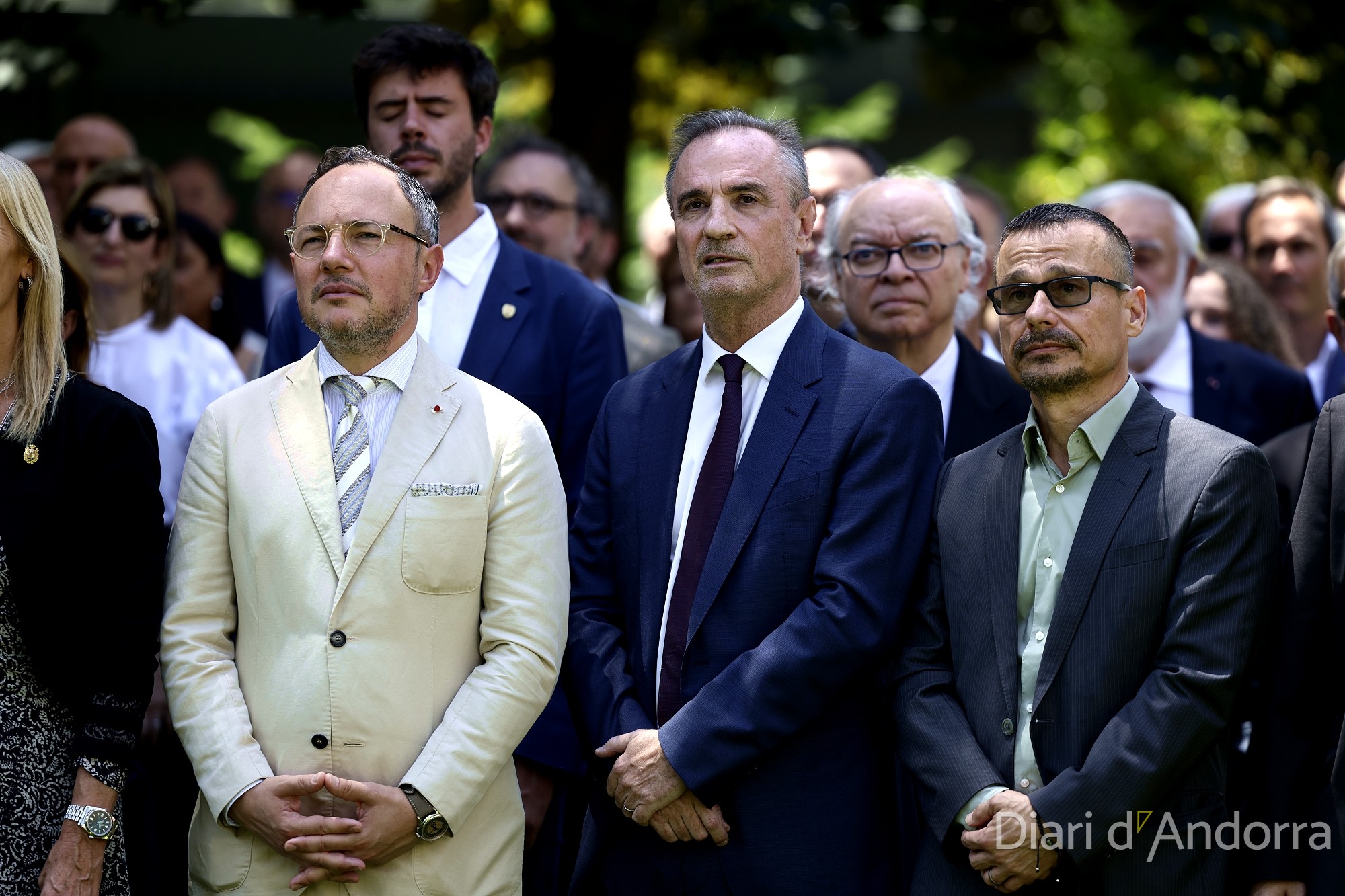
“We have passed the longest step. But now we depend on deadlines that we cannot control”
Opposing views
The progress of the text was received differently by Concordia and Democrats. The leader of the opposition, Cerni Escalé, explained to diary that, once this stage has been passed, “the text is already consolidated” and a definitive version is available, a fact that, in his opinion, should open the door to the citizens’ pronouncement. The president of the parliamentary group of concord argued that the text should be put to a vote before it moves forward and is ratified by member states. Escalé linked this issue with the institutional reputation of Andorra and even with “common sense”. As he argued, allowing the agreement to complete its processing in the various parliaments and that, subsequently, Andorran citizens reject it could have a negative impact on the country’s relations with the rest of the member states. The leader of concord he had already expressed this position during the debate on the resolution proposals.
From the parliamentary majority, the president of the democratic group, Jordi Jordanaconsidered that the advance represents “good news”, since “we have overcome what was the longest step”. Jordan he trusted that the text can complete the following phases with more agility, despite admitting that “in the end, we depend on deadlines that we cannot control”. The president of the democratic parliamentary group he placed the possible signing of the agreement “in September or, at the latest, in October”.

NEXT STEPS
- APPROVAL Within 72 hours, the councils of ministers of the member states must approve the text.
- SIGNATURE The agreement will have to be signed by the 27 EU states and then by Andorra, San Marino and the Commission.
- RATIFICATION The European Parliament and the chambers of the member states will ratify it, and it can be submitted to a referendum.