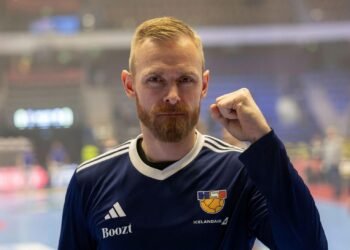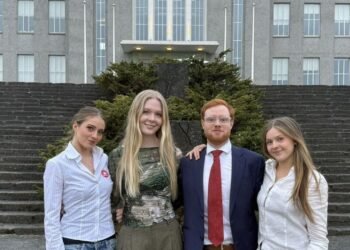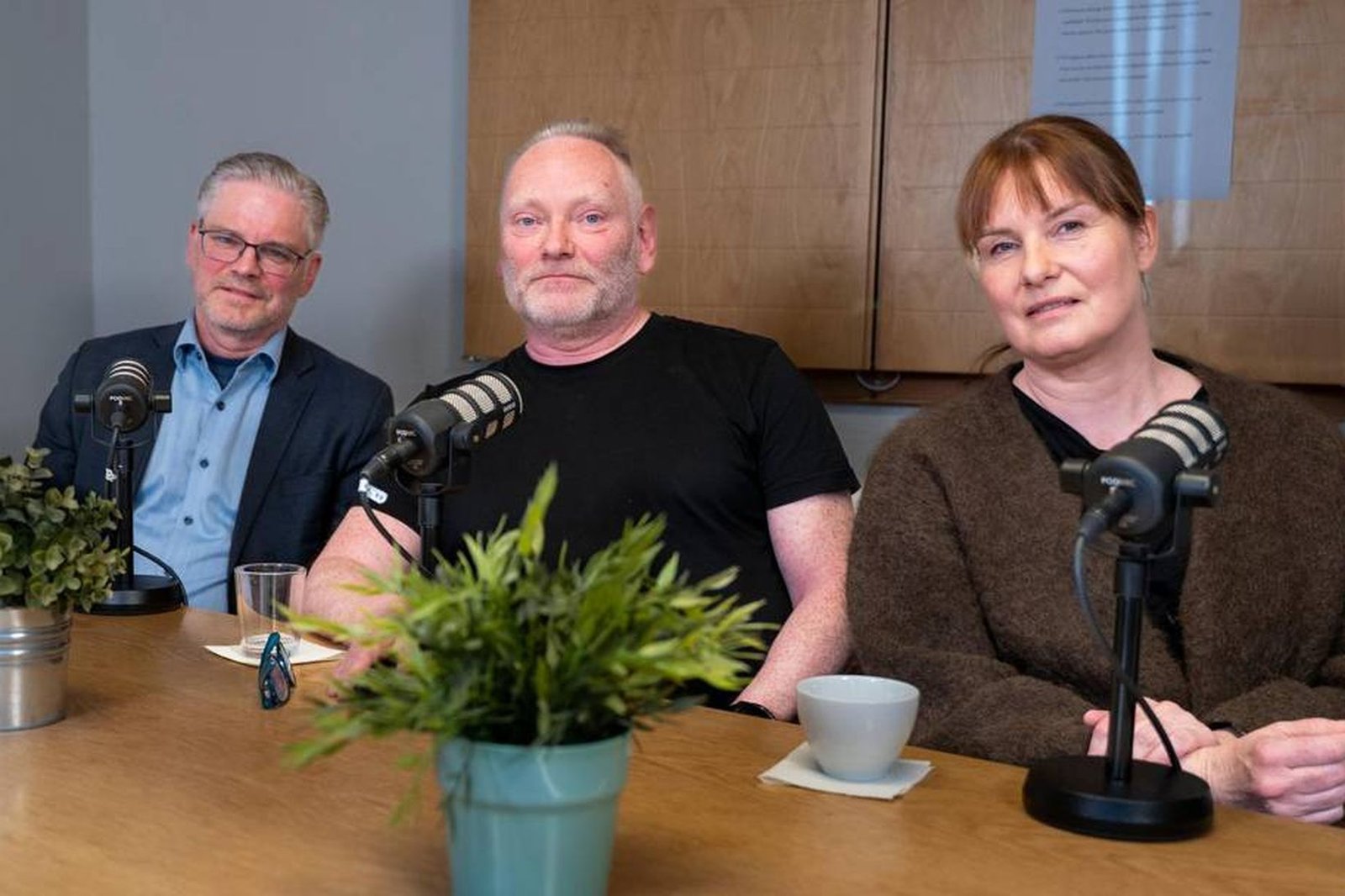
Three candidates are running in Strandabyggð for the municipal elections this spring. Mayor Þorgeir Pálsson leads the Coastal Alliance’s T-list, Sigurbjörn Rafn Úlfarsson leads the B-list of Progressives and Independents, and Hrafnhildur Þorsteinsdóttir leads Vegvísi’s G-list.
The municipality was created in 2006 by the merger of Hólmavíkurhrepp and Broddaneshrepp. About 440 people live there and it is clear that the new local government will have to deal with extensive projects.
Roaring times
There has been some shaking in local government affairs in the region in the last election period. Þorgeir Pálsson and his list won the last election after a tumultuous 2018-2022 election period in which he was both hired and fired as mayor in the middle of the election period following a controversy that arose in connection with accusations against former local government representatives due to payments that had flowed from the local fund to his companies. Þorgeir’s wife, who was an employee of the municipality, had, among other things, commented on the matter and it caused bad blood in many people, which resulted in the aforementioned termination of employment. In the end, Þorgei was awarded compensation for the dismissal, which was said by the district court to have been too harsh.
The school buildings are moldy
The biggest project of the current term turned out to be mold that was detected in the elementary school in the fall of 2022. School activities were stopped in the building and classes were moved to three establishments around the town.
“We have no choice,” says Þorgeir about the decision to embark on large-scale construction. The younger part of the school was renovated from the ground up and moved into it again in the fall of 2024. The cost of renovations amounted to over 400 million ISK, and the total investment in educational institutions during the election period is over 500 million.
Sigurbjörn says the construction has been heavy for the municipality. He points out that the operating surplus is not enough for loan repayments and that about 30 million are missing from annual obligations in that regard.
Hotel and accommodation
There are high hopes for the planned hotel building in Hólmavík. Hotel Strandir ehf. intends to build a 62-room hotel, and the investment in the project is estimated at three billion ISK. It is believed to be able to create 25 to 30 direct jobs in the region in the long term.
“This is a huge opportunity,” says Þorgeir, adding that the project could be the most extensive in the municipality for decades.
Housing shortages are also said to constrain growth. Work is underway on a new 30-apartment neighborhood, Brandskjól, where single-family houses, semi-detached houses and terraced houses are planned. Construction of the street is to begin this summer.
Hrafnhildur says the lack of housing is already affecting society. “We’re losing staff who don’t get housing,” she says.
Hot water and electricity
The energy issues are bulky in the discussion. Sigurbjörn says there is great potential in geothermal energy on Gálmaströnd, which could lead to heating, land farming or greenhouse cultivation.
Þorgeir says Orkubú Vestfjörður has the right to exploit the area, but that it is still unclear when the drilling will continue. However, the energy farm has received a grant of 25 million ISK for the project.
In order for Hólmavík to benefit from the warm water of Gálmaströnd, hot water-intensive activities need to be ensured halfway between the beach and the settlement, which is about 20 kilometers apart.
Vestfjörður’s electricity security is also discussed in the interview of the candidates. Þorgeir says that the energy demand in the Westfjords is about 44 megawatts, but the production is only about twenty. He says that it is inevitable to increase electricity production if the energy exchange is to become a reality, but with the electrification of small boat operations, and otherwise it can be estimated that the need for energy could double in the coming years.
Mergers inevitable?
Oddwits of the candidates are all open to a discussion about the merger of municipalities. Strandabyggð has had informal talks with Súðavíkurhrepp and Ísafjörðurbær, and then a message to that effect was sent to Dalabyggð, Reykhólahrepp, Kaldrananeshrepp and Árneshrepp.
Sigurbjörn says that the municipality needs to either seek further cooperation and unification or “prove its right to exist”.
However, Þorgei points out that mergers are not a simple solution. First, it is necessary to know what interests are at stake. He believes that it is impossible that one municipality will become a reality in all the Westfjords during the next election period.
EU not a party line
At the end, a possible referendum on membership negotiations with the European Union is discussed. Þorgeir says he wants to see what is available, but is not ready to take a position on membership as such.
Sigurbjörn says the issue should be a personal decision and not a party line. “There is no good politician who goes against the will of the people,” he says. He is open to seeing what is offered by the EU.
Hrafnhildur says she wants detailed information before a position is taken. “I don’t do anything in a hurry,” she says, but does not reveal what decision she will make at the end of August, depending on the proposed vote.