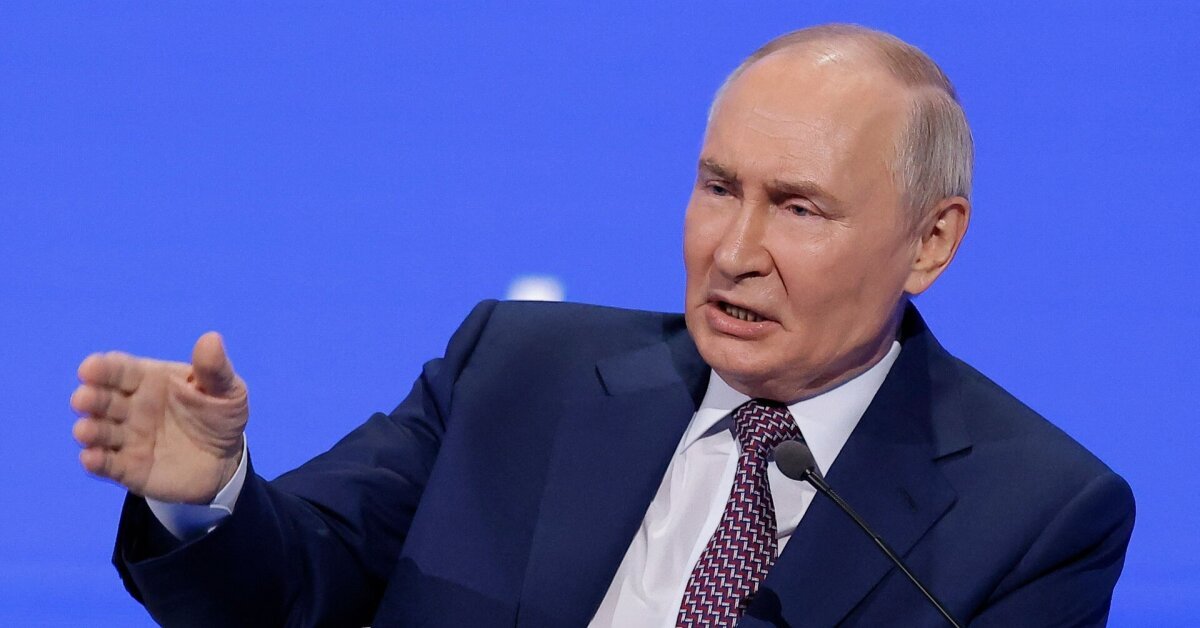
D. Fried testified that the Kremlin is happy that Washington got involved in the conflict with Iran, but warned not to overestimate Russia’s advantage.
“Russia’s situation is not good, their economy is vulnerable, and the sudden increase in oil prices does not negate the weaknesses they have,” he said.

AP/Scanpix/Daniel Fried
The former ambassador spoke as tensions over Hormuz continue to roil energy markets and as the EU adopted its 20th package of sanctions against Russia targeting parts of Moscow’s energy, financial and military industrial networks.
The measures come amid renewed concern that a protracted Middle East crisis could push up oil prices and complicate Western efforts to keep pressure on the Kremlin.
VIDEO: Analyst: The Kremlin was happy, but their situation is not good

Russia is still under pressure
D. Fried said that higher oil revenues will not be enough to compensate for Russia’s wider problems.
“Russia is not able to take full advantage of the higher oil price, and the windfall it is receiving is not compensating for its financial losses in other areas,” he said.
He added that EU action could still be useful even if the US does not fully coordinate its actions. “The European Union and the European ban are still the global standard for tankers, and the Russians cannot simply ignore that,” Fried told TVP World.
The crisis comes at a time when Washington’s focus has turned to Iran and peace efforts over Ukraine appear to have slowed. Fried said the Trump administration should be able to deal with both crises at the same time, but questioned the reliance on peace envoys Jared Kushner and Steve Witkoff, who are key figures in many of the negotiations.
“There’s no reason why Kushner and Witkoff should be the go-to people for every major conflict. They don’t have the resources to do that. It’s just not possible,” he said.
“The US should step forward”
Mr. Fried said that the best opportunities are opening up for Ukraine in more than a year on the battlefield and in the political situation. “This is the time when the United States should step forward and put pressure on Russia,” he said.
He said that closer coordination between Washington and Europe could still change the course of the war.
“We can succeed. It would benefit everyone – Ukraine, Europe, the free world in general. But we are here. And I say this without particular pleasure,” the analyst testified.
The Iran crisis may continue for a long time
Speaking about Europe’s role, D. Fried drew attention to the “Coalition of the Willing” led by France and Great Britain, saying that Washington should support it, not criticize it.
“The Trump administration would do well to support what the British and French are doing, not complain about it. We’re going to need them,” he said.
Fried said he still hoped Washington and Tehran would eventually move to some form of agreement similar to the 2015 accord. nuclear deal, with additional provisions on Hormuz. However, he warned that the negotiations could drag on.
“It could go on for quite some time,” he said.