Thursday, July 2, 2026
    The GeoStrategic Consensus
    No Result
    View All Result
    • Login
    • HOME
    • AMERICAS
      • Argentina
      • Brazil
      • Canada
      • Chile
      • Colombia
      • Costa Rica
      • Cuba
      • Dominican Republic
      • Ecuador
      • El Salvador
      • Greenland
      • Guatemala
      • Honduras
      • Mexico
      • Nicaragua
      • Panama
      • Paraguay
      • Peru
      • United States
      • Uruguay
      • Venezuela
    • ASIA-PACIFIC
      • Australia
      • Brunei Darussalam
      • Cambodia
      • China
      • Federated States of Micronesia
      • Fiji
      • Indonesia
      • Japan
      • Kiribati
      • Laos
      • Malaysia
      • Marshall Islands
      • Mongolia
      • Myanmar
      • Nauru
      • New Zealand
      • North Korea
      • Palau
      • Papua New Guinea
      • Philippines
      • Samoa
      • Singapore
      • Solomon Islands
      • South Korea
      • Taiwan
      • Thailand
      • Timor-Leste
      • Tonga
      • Tuvalu
      • Vanuatu
      • Vietnam
    • CARICOM
      • CARICOM – Non-English
        • Haiti
        • Suriname
      • CARICOM Associates
        • Anguilla
        • Bermuda
        • British-Virgin-Islands
        • Cayman-Islands
        • Curacao
        • Turks-and-Caicos
      • CARICOM English
        • Antigua and Barbuda
        • Barbados
        • Belize
        • Dominica
        • Grenada
        • Guyana
        • Jamaica
        • Montserrat
        • Saint Kitts and Nevis
        • Saint Lucia
        • Saint Vincent and the Grenadines
        • The Bahamas
        • Trinidad and Tobago
    • EURASIA
      • Armenia
      • Azerbaijan
      • Balarus
      • Georgia
      • Kazakhstan
      • Kyrgyzstan
      • Moldova
      • Russia
      • Tajikistan
      • Turkmenistan
      • Ukraine
      • Uzbekistan
    • EUROPE
      • Albania
      • Andorra
      • Austria
      • Bosnia and Herzegovina
      • Bulgaria
      • Croatia
      • Cyprus
      • Czech Republic
      • Denmark
      • Estonia
      • Finland
      • France
      • Germany
      • Greece
      • Holy See
      • Hungary
      • Iceland
      • Ireland
      • Italy
      • Kosovo
      • Latvia
      • Liechtenstein
      • Lithuania
      • Luxembourg
      • Malta
      • Monaco
      • Montenegro
      • Netherlands
      • North Macedonia
      • Norway
      • Poland
      • Portugal
      • Romania
      • San Marino
      • Serbia
      • Slovakia
      • Slovenia
      • Spain
      • Sweden
      • Switzerland
      • United Kingdom
    • MIDDLE EAST AND NORTH AFRICA
      • Algeria
      • Bahrain
      • Egypt
      • Iran
      • Iraq
      • Israel
      • Jordan
      • Kuwait
      • Lebanon
      • Lybia
      • Morocco
      • Oman
      • Palestinian Territories
      • Qatar
      • Saudi Arabia
      • Syria
      • Tunisia
      • Turkey
      • United Arab Emirates
      • Western Sahara
      • Yemen
    • SOUTH ASIA
      • Afghanistan
      • Bangladesh
      • Bhutan
      • India
      • Maldives
      • Nepal
      • Pakistan
      • Sri Lanka
    • SUB-SAHARAN AFRICA
      • Angola
      • Benin
      • Botswana
      • Burkina Faso
      • Burundi
      • Cabo Verde
      • Cameroon
      • Central African Republic
      • Chad
      • Comoros
      • Cote d’Ivoire
      • Democratic Republic of the Congo
      • Djibouti
      • Equatorial Guinea
      • Eritrea
      • Eswatini
      • Ethiopia
      • Gabon
      • Gambia
      • Ghana
      • Guinea
      • Guinea Bissau
      • Kenya
      • Lesotho
      • Liberia
      • Madagascar
      • Malawi
      • Mali
      • Mauritania
      • Mauritius
      • Mozambique
      • Namibia
      • Niger
      • Nigeria
      • Republic of the Congo
      • Rwanda
      • Sao Tome and Principe
      • Senegal
      • Seychelles
      • Sierra Leone
      • Somalia
      • South Africa
      • South Sudan
      • Sudan
      • Tanzania
      • Togo
      • Uganda
      • Zambia
      • Zimbabwe
    • HOME
    • AMERICAS
      • Argentina
      • Brazil
      • Canada
      • Chile
      • Colombia
      • Costa Rica
      • Cuba
      • Dominican Republic
      • Ecuador
      • El Salvador
      • Greenland
      • Guatemala
      • Honduras
      • Mexico
      • Nicaragua
      • Panama
      • Paraguay
      • Peru
      • United States
      • Uruguay
      • Venezuela
    • ASIA-PACIFIC
      • Australia
      • Brunei Darussalam
      • Cambodia
      • China
      • Federated States of Micronesia
      • Fiji
      • Indonesia
      • Japan
      • Kiribati
      • Laos
      • Malaysia
      • Marshall Islands
      • Mongolia
      • Myanmar
      • Nauru
      • New Zealand
      • North Korea
      • Palau
      • Papua New Guinea
      • Philippines
      • Samoa
      • Singapore
      • Solomon Islands
      • South Korea
      • Taiwan
      • Thailand
      • Timor-Leste
      • Tonga
      • Tuvalu
      • Vanuatu
      • Vietnam
    • CARICOM
      • CARICOM – Non-English
        • Haiti
        • Suriname
      • CARICOM Associates
        • Anguilla
        • Bermuda
        • British-Virgin-Islands
        • Cayman-Islands
        • Curacao
        • Turks-and-Caicos
      • CARICOM English
        • Antigua and Barbuda
        • Barbados
        • Belize
        • Dominica
        • Grenada
        • Guyana
        • Jamaica
        • Montserrat
        • Saint Kitts and Nevis
        • Saint Lucia
        • Saint Vincent and the Grenadines
        • The Bahamas
        • Trinidad and Tobago
    • EURASIA
      • Armenia
      • Azerbaijan
      • Balarus
      • Georgia
      • Kazakhstan
      • Kyrgyzstan
      • Moldova
      • Russia
      • Tajikistan
      • Turkmenistan
      • Ukraine
      • Uzbekistan
    • EUROPE
      • Albania
      • Andorra
      • Austria
      • Bosnia and Herzegovina
      • Bulgaria
      • Croatia
      • Cyprus
      • Czech Republic
      • Denmark
      • Estonia
      • Finland
      • France
      • Germany
      • Greece
      • Holy See
      • Hungary
      • Iceland
      • Ireland
      • Italy
      • Kosovo
      • Latvia
      • Liechtenstein
      • Lithuania
      • Luxembourg
      • Malta
      • Monaco
      • Montenegro
      • Netherlands
      • North Macedonia
      • Norway
      • Poland
      • Portugal
      • Romania
      • San Marino
      • Serbia
      • Slovakia
      • Slovenia
      • Spain
      • Sweden
      • Switzerland
      • United Kingdom
    • MIDDLE EAST AND NORTH AFRICA
      • Algeria
      • Bahrain
      • Egypt
      • Iran
      • Iraq
      • Israel
      • Jordan
      • Kuwait
      • Lebanon
      • Lybia
      • Morocco
      • Oman
      • Palestinian Territories
      • Qatar
      • Saudi Arabia
      • Syria
      • Tunisia
      • Turkey
      • United Arab Emirates
      • Western Sahara
      • Yemen
    • SOUTH ASIA
      • Afghanistan
      • Bangladesh
      • Bhutan
      • India
      • Maldives
      • Nepal
      • Pakistan
      • Sri Lanka
    • SUB-SAHARAN AFRICA
      • Angola
      • Benin
      • Botswana
      • Burkina Faso
      • Burundi
      • Cabo Verde
      • Cameroon
      • Central African Republic
      • Chad
      • Comoros
      • Cote d’Ivoire
      • Democratic Republic of the Congo
      • Djibouti
      • Equatorial Guinea
      • Eritrea
      • Eswatini
      • Ethiopia
      • Gabon
      • Gambia
      • Ghana
      • Guinea
      • Guinea Bissau
      • Kenya
      • Lesotho
      • Liberia
      • Madagascar
      • Malawi
      • Mali
      • Mauritania
      • Mauritius
      • Mozambique
      • Namibia
      • Niger
      • Nigeria
      • Republic of the Congo
      • Rwanda
      • Sao Tome and Principe
      • Senegal
      • Seychelles
      • Sierra Leone
      • Somalia
      • South Africa
      • South Sudan
      • Sudan
      • Tanzania
      • Togo
      • Uganda
      • Zambia
      • Zimbabwe
    No Result
    View All Result
    Agentially
    No Result
    View All Result
    Home ASIA-PACIFIC Marshall Islands

    Amplifying Pacific voices: the region’s crucial role in advancing IHL

    The Analyst by The Analyst
    July 2, 2026
    in Marshall Islands
    Amplifying Pacific voices: the region’s crucial role in advancing IHL


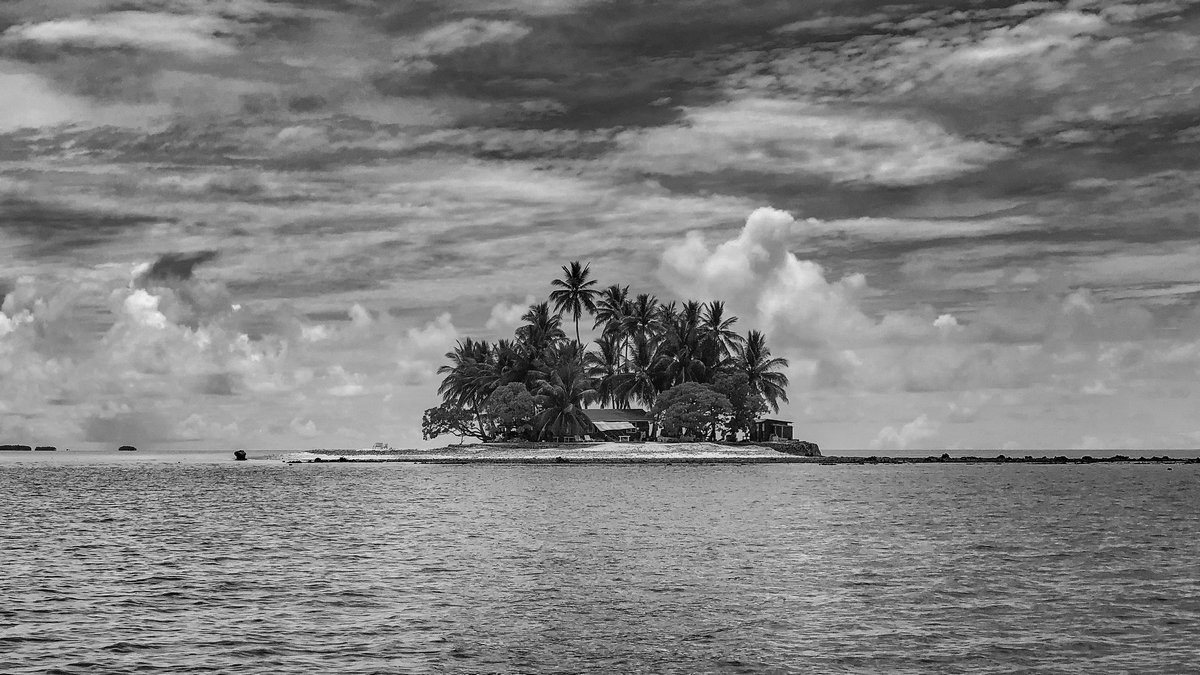
    Pacific Island states have long demonstrated leadership in promoting peace, disarmament, and humanitarian values. From traditional customs that reflect principles contained in contemporary international humanitarian law (IHL), to global advocacy for nuclear disarmament and environmental protections during armed conflict, the region is uniquely equipped to contribute to discussions on advancing IHL. This is particularly important in the context of contemporary challenges, including climate change, the illicit trade of small arms, cyber operations, and the vulnerability of submarine data cables that affect Pacific livelihoods.

    READ ALSO

    Typhoon Bavi Has Formed around the Marshall Islands and Is Moving Westward

    In this post, ICRC Legal Advisers Hannah Crothers and Catherine Thornton explore the importance of amplifying Pacific voices in the conversation on IHL, including through the Global Initiative to Galvanize Political Commitment to IHL, which provides a platform for states to contribute to the global discussion through sharing their experiences and insights.

    In today’s interconnected world, no region is immune from the consequences of war: their effects ripple across global and regional markets, threaten international peace and security and worsen humanitarian and environmental pressures.

    Despite universal ratification of the Geneva Conventions, violations and permissive interpretations of IHL are widespread, undermining the protective purpose of the law. The immense human suffering, destruction, and economic instability caused by armed conflict around the world demonstrates that upholding these protections is urgent for all regions.

    The Pacific region, whose very name derives from the Latin for “peaceful”, has a unique role to play in upholding and advancing IHL, with the Global Initiative to Galvanize Political Commitment to IHL (Global IHL Initiative) providing a platform to champion humanitarian, environmental and security priorities.

    Pacific leadership on peace and disarmament

    Pacific Island nations have long demonstrated leadership in promoting peace, disarmament, and humanitarian values – principles deeply rooted in Pacific cultures and identities. For instance, elements of traditional Pacific Island customs during conflict reflect principles now enshrined in contemporary IHL. As explored in the ICRC’s 2009 study “Under the Protection of the Palm”, customs of traditional warfare across numerous Pacific cultures protected women, children, the elderly and captured persons.

    Humanitarian values are also reflected in contemporary regional frameworks, such as the Boe Declaration and the 2050 Strategy for the Blue Pacific Continent, which promote peaceful, rules-based solutions to complex regional and global challenges. The principles underpinning these frameworks are not merely theoretical but are deeply informed by the lived experiences of Pacific Island nations enduring some of the horrific consequences of war.

    Since World War II, some Pacific states continue to live with the reality of forgotten landmines and unexploded bombs left behind after the fighting ended. For Pacific Island states, this can have significant consequences, rendering land unusable for agriculture, development, or habitation, with studies demonstrating that the breakdown of weapons releases toxic chemicals in the ecosystem. These harms are further exacerbated by the effects of climate change.

    The region also bears the weight of historical nuclear testing, with French Polynesia, Kiribati and the Marshall Islands among the most affected. As an example, between 1946-1958, the Marshall Islands were the site of 67 atmospheric and ground nuclear tests, with communities still grappling with the challenge of containing radioactive soil and debris, amid increasing strains on nuclear containment infrastructure due to climate change.

    Out of these experiences, the Pacific has emerged as a global leader in advocating for nuclear disarmament, linking the consequences of armed conflict to environmental protection. In 1985, Pacific nations took the historic step of signing the South Pacific Nuclear Free Zone Treaty, also known as the Treaty of Rarotonga, which established the Pacific as the world’s second nuclear-free zone, after the Treaty of Tlatelolco in Latin America and the Caribbean.

    This commitment to disarmament has been complemented by efforts to integrate environmental considerations into the laws of armed conflict. For instance, during the ICJ Advisory Opinion on the Legality of the Threat or Use of Nuclear Weapons, Nauru, the Marshall Islands, Samoa and the Solomon Islands submitted written observations arguing that nuclear weapons were incompatible with IHL. The submission of the Solomon Islands emphasized the applicability of environmental protections and the law of armed conflict, which was reflected in the Advisory Opinion (at para 32) as the “general view [that] environmental considerations constitute one of the elements to be taken into account in the implementation of the principles of the law applicable in armed conflict”.

    More recently, at a time when humanitarian disarmament treaties are under increasing pressure, Vanuatu acceded to the Cluster Munition Convention in 2026, Kiribati to the Biological Weapons Convention in 2025, and the Marshall Islands and Tonga acceded to the Anti-Personnel Mine Ban Convention in 2025. By doing so, the Pacific sent a powerful message, with Tonga outlining: “[w]e may be a small nation, but we stand firm in our conviction that global treaties crowned in humanity require the voice and support of all states regardless of size or circumstance”.[1]

    Relevance of IHL to the Pacific  

    Beyond humanitarian disarmament, IHL provides important protections that affect the Pacific in unexpected ways. The Pacific is the largest ocean on the planet, and a source of life. It sustains fragile ecosystems and rich biodiversity, powers global trade, provides vital energy resources and infrastructure, and supports the livelihoods of millions of fishers who play a key role in ensuring reliable access to safe food. With the Pacific particularly vulnerable to climate change – and therefore rising sea levels, increasingly frequent weather events, and disrupted food availability and production – this in turn increases susceptibilities to environmental as well as secondary impacts of armed conflict.

    Environmental protection in armed conflict

    Armed conflicts continue to cause environmental degradation and destruction, affecting the well-being, health and survival of people across the globe. In an armed conflict at sea, this could be caused by damage to vessels which result in spills of oil or other pollutants; underwater explosions and shipwrecks that threaten fragile eco-systems; or incidents involving nuclear-powered vessels which carry risks of radioactive contamination to both human and marine life.

    IHL includes provisions which protect the natural environment during warfare and seek to limit the damage caused to it. In the context of armed conflict at sea, these protections require that due regard be given to the natural environment during military operations and expressly prohibit damage to or destruction of the natural environment that is not justified by the military necessity applicable under the circumstances. Given the important equities in protecting the Pacific Ocean, and the manner in which the combined impacts of environmental degradation, climate risks and conflict compound hardships, Pacific nations are well-positioned to raise awareness of the need to protect the natural environment from the effects of armed conflict.

    Civilian infrastructure at sea

    Civilian infrastructure such as submarine data cables have changed our world and lives, with over 99 per cent of international internet traffic travelling through these cables, facilitating connectivity and the digital economy. Submarine cables remain vulnerable in any large-scale conflict at sea, with a large-scale disturbance to such cables likely to interrupt the operation of civilian infrastructure, affecting communication networks and financial flows. These vulnerabilities are particularly acute for small-island nations that rely on a single cable, with several instances in recent years of states losing connectivity due to damage – including Tonga in 2022 following an undersea volcanic eruption and subsequent tsunami.

    At sea, just like on land, civilians and civilian objects cannot be targeted. Means and methods of warfare must be used in accordance with the principles of distinction, proportionality and precaution. Ensuring that submarine data cables and other civilian infrastructure at sea are effectively protected from the effects of naval warfare requires integrating IHL protections into appropriate domestic frameworks. Given the vulnerabilities associated with damage to submarine cables, all states have a vested interest in ensuring their protection. For Pacific Island nations, which rely heavily on these essential lifelines, upholding the laws and frameworks that safeguard submarine data cables is a necessity.

    The use of information and communication technologies (ICTs) during armed conflict 

    Around the world, civilian and essential services increasingly depend on ICTs, with the increasing digitalization and interconnectivity of societies making cyber security a growing concern for all nations, including Pacific Island states.

    Today, the use of ICTs by states and non-state actors is a reality of armed conflict, and it may cause harm to the civilian population through their impact on civilian data and civilian infrastructure, including essential services such as electricity, water, sanitation, food production and distribution, telecommunications, healthcare, education, humanitarian and emergency services and financial services.

    Whilst IHL sets limits on ICT activities during armed conflict just as any other means or method of warfare, the specificities of the ICT environment pose challenges to the application of the law. Therefore, there is a need to reach a shared understanding of the legal constraints that apply to ICT activities during armed conflicts, with a view to safeguarding civilians from harm. During these conversations and given the Pacific’s acknowledgement of its own cyber security vulnerabilities, it’s essential that Pacific Island states are at the table to ensure IHL is interpreted and applied in a way that protects the ICT infrastructure and services that people rely on every day.

    A platform for Pacific voices

    Recognizing the need to strengthen respect for IHL in the face of contemporary challenges, the International Committee of the Red Cross (ICRC), together with Brazil, China, France, Jordan, Kazakhstan and South Africa launched the Global IHL Initiative to Galvanize Political Commitment to IHL. Open to all interested states, this initiative seeks to make IHL a political priority and mobilize state leaders and all stakeholders to ensure IHL is part of every discussion on armed conflict and security. Through a series of consultations across seven workstreams, the Global IHL Initiative is also in the process of developing outcome documents to uphold and strengthen IHL to address pressing humanitarian challenges in contemporary warfare, including many discussed above, and turn political commitment into concrete change on the ground.

    At the time of publication, 114 states have joined the Global IHL Initiative, including Australia –co-chair of workstream one of the Initiative – Fiji, the Marshall Islands, and New Zealand from the Pacific. Other Pacific Island states have participated in consultations.

    The Pacific region’s history of resilience in the face of war and its leadership on disarmament and environmental protection underscore its critical role in advancing international humanitarian law. Many Pacific Islands states and National Societies have already pledged to strengthen the implementation and dissemination of IHL across its nations at the 34th International Conference of the Red Cross Red Crescent.

    In a world where the rules of war are increasingly challenged, the Pacific’s commitment to IHL serves as a powerful reminder of the enduring importance of shared values and collective action. Upholding IHL is not only about adhering to legal obligations – it’s about preserving humanity, protecting our planet, and building a more peaceful future for all.

    By joining and engaging with initiatives such as the Global IHL Initiative, Pacific Island nations can ensure their unique perspectives are understood, their experiences are valued, and their voices are heard in the global conversation on peace, security, and humanity.

    References

    [1] (see here at 11:31:22)


    See also

    • Wen Zhou, Upholding IHL protections against the risks of ICT activities in armed conflict, April 23, 2026
    • United Nations Environment Programme (UNEP) Disasters and Conflicts Branch (James Dayani, Fruzsina Straus and Atila Uras), From crisis to recovery: managing the environmental impacts of armed conflict, December 2, 2025
    • André Smit, Kelisiana Thynne, The humanity compass: navigating the protection of civilians in naval warfare, October 28, 2025
    • Ansha Krishnan, Eve Massingham, Complying with IHL in large-scale conflict: navigating complexities in the Asia-Pacific, September 4, 2025
    • Ambassador Marja Lehto, Overcoming the disconnect: environmental protection and armed conflicts, May 27, 2021


    Source link

    Related Posts

    Marshall Islands

    Typhoon Bavi Has Formed around the Marshall Islands and Is Moving Westward

    July 2, 2026
    Next Post
    Toting for toilets | News Extra

    Toting for toilets | News Extra

    POPULAR NEWS

    (LEAD) OECD warns of rising shock exposure from S. Korea’s dependence on chip exports

    (LEAD) OECD warns of rising shock exposure from S. Korea’s dependence on chip exports

    July 2, 2026
    President Simina Meets with Kosrae Governor on KAMORALE Expo 2026 Preparations and State Development Priorities – FSM Government

    President Simina Meets with Kosrae Governor on KAMORALE Expo 2026 Preparations and State Development Priorities – FSM Government

    July 2, 2026
    Mitigation of punishment and new challenges. Belarus’ Supreme Court on trends in criminal law policy

    Mitigation of punishment and new challenges. Belarus’ Supreme Court on trends in criminal law policy

    July 2, 2026
    The Constitutional Court will consider the Ministry of Justice’s request for elections in Gagauzia in July

    The Constitutional Court will consider the Ministry of Justice’s request for elections in Gagauzia in July

    July 2, 2026
    The cost of marking international calls was estimated at 3 billion rubles

    The cost of marking international calls was estimated at 3 billion rubles

    July 2, 2026

    EDITOR'S PICK

    PLP previously tabled untested allegations | News

    PLP previously tabled untested allegations | News

    July 2, 2026
    Ex-soldier Lunin imprisoned in Russia – because he challenged Putin

    Ex-soldier Lunin imprisoned in Russia – because he challenged Putin

    July 2, 2026
    Court Blocks Firings of Intelligence Officers Who Worked on Diversity

    Court Blocks Firings of Intelligence Officers Who Worked on Diversity

    July 2, 2026

    Ukraine demining fund raises €150m, with Lithuania providing half

    July 2, 2026

    Recent Posts

    • Preschool services for 5-6-year-old children in some urban areas will also be outsourced to the private sector.
    • The international authoritative structure carries out evaluation of veterinary and laboratory services in RA
    • Lukashenko reaffirms readiness for deeper cooperation with Russia’s Moscow Oblast
    • Migrants from Asia living in carriages near Chisinau: Hearings of ministries and police will be held in parliament

      © 2026 Agentially - Navigating shifting sovereignties and global risk .

      Welcome Back!

      Login to your account below

      Forgotten Password?

      Retrieve your password

      Please enter your username or email address to reset your password.

      Log In
      No Result
      View All Result
      • HOME
      • AMERICAS
        • Argentina
        • Brazil
        • Canada
        • Chile
        • Colombia
        • Costa Rica
        • Cuba
        • Dominican Republic
        • Ecuador
        • El Salvador
        • Greenland
        • Guatemala
        • Honduras
        • Mexico
        • Nicaragua
        • Panama
        • Paraguay
        • Peru
        • United States
        • Uruguay
        • Venezuela
      • ASIA-PACIFIC
        • Australia
        • Brunei Darussalam
        • Cambodia
        • China
        • Federated States of Micronesia
        • Fiji
        • Indonesia
        • Japan
        • Kiribati
        • Laos
        • Malaysia
        • Marshall Islands
        • Mongolia
        • Myanmar
        • Nauru
        • New Zealand
        • North Korea
        • Palau
        • Papua New Guinea
        • Philippines
        • Samoa
        • Singapore
        • Solomon Islands
        • South Korea
        • Taiwan
        • Thailand
        • Timor-Leste
        • Tonga
        • Tuvalu
        • Vanuatu
        • Vietnam
      • CARICOM
        • CARICOM – Non-English
          • Haiti
          • Suriname
        • CARICOM Associates
          • Anguilla
          • Bermuda
          • British-Virgin-Islands
          • Cayman-Islands
          • Curacao
          • Turks-and-Caicos
        • CARICOM English
          • Antigua and Barbuda
          • Barbados
          • Belize
          • Dominica
          • Grenada
          • Guyana
          • Jamaica
          • Montserrat
          • Saint Kitts and Nevis
          • Saint Lucia
          • Saint Vincent and the Grenadines
          • The Bahamas
          • Trinidad and Tobago
      • EURASIA
        • Armenia
        • Azerbaijan
        • Balarus
        • Georgia
        • Kazakhstan
        • Kyrgyzstan
        • Moldova
        • Russia
        • Tajikistan
        • Turkmenistan
        • Ukraine
        • Uzbekistan
      • EUROPE
        • Albania
        • Andorra
        • Austria
        • Bosnia and Herzegovina
        • Bulgaria
        • Croatia
        • Cyprus
        • Czech Republic
        • Denmark
        • Estonia
        • Finland
        • France
        • Germany
        • Greece
        • Holy See
        • Hungary
        • Iceland
        • Ireland
        • Italy
        • Kosovo
        • Latvia
        • Liechtenstein
        • Lithuania
        • Luxembourg
        • Malta
        • Monaco
        • Montenegro
        • Netherlands
        • North Macedonia
        • Norway
        • Poland
        • Portugal
        • Romania
        • San Marino
        • Serbia
        • Slovakia
        • Slovenia
        • Spain
        • Sweden
        • Switzerland
        • United Kingdom
      • MIDDLE EAST AND NORTH AFRICA
        • Algeria
        • Bahrain
        • Egypt
        • Iran
        • Iraq
        • Israel
        • Jordan
        • Kuwait
        • Lebanon
        • Lybia
        • Morocco
        • Oman
        • Palestinian Territories
        • Qatar
        • Saudi Arabia
        • Syria
        • Tunisia
        • Turkey
        • United Arab Emirates
        • Western Sahara
        • Yemen
      • SOUTH ASIA
        • Afghanistan
        • Bangladesh
        • Bhutan
        • India
        • Maldives
        • Nepal
        • Pakistan
        • Sri Lanka
      • SUB-SAHARAN AFRICA
        • Angola
        • Benin
        • Botswana
        • Burkina Faso
        • Burundi
        • Cabo Verde
        • Cameroon
        • Central African Republic
        • Chad
        • Comoros
        • Cote d’Ivoire
        • Democratic Republic of the Congo
        • Djibouti
        • Equatorial Guinea
        • Eritrea
        • Eswatini
        • Ethiopia
        • Gabon
        • Gambia
        • Ghana
        • Guinea
        • Guinea Bissau
        • Kenya
        • Lesotho
        • Liberia
        • Madagascar
        • Malawi
        • Mali
        • Mauritania
        • Mauritius
        • Mozambique
        • Namibia
        • Niger
        • Nigeria
        • Republic of the Congo
        • Rwanda
        • Sao Tome and Principe
        • Senegal
        • Seychelles
        • Sierra Leone
        • Somalia
        • South Africa
        • South Sudan
        • Sudan
        • Tanzania
        • Togo
        • Uganda
        • Zambia
        • Zimbabwe

      © 2026 Agentially - Navigating shifting sovereignties and global risk .

      This website uses cookies. By continuing to use this website you are giving consent to cookies being used. Visit our Privacy and Cookie Policy.