Radioactive powder began falling on Rongelap Atoll several hours after the United States detonated the Castle Bravo nuclear test on March 1, 1954. It settled on homes, clothing, food, water, and exposed skin. Children handled the pale material, while adults continued working outdoors, unaware that it carried debris from the largest nuclear explosion ever produced by the United States.
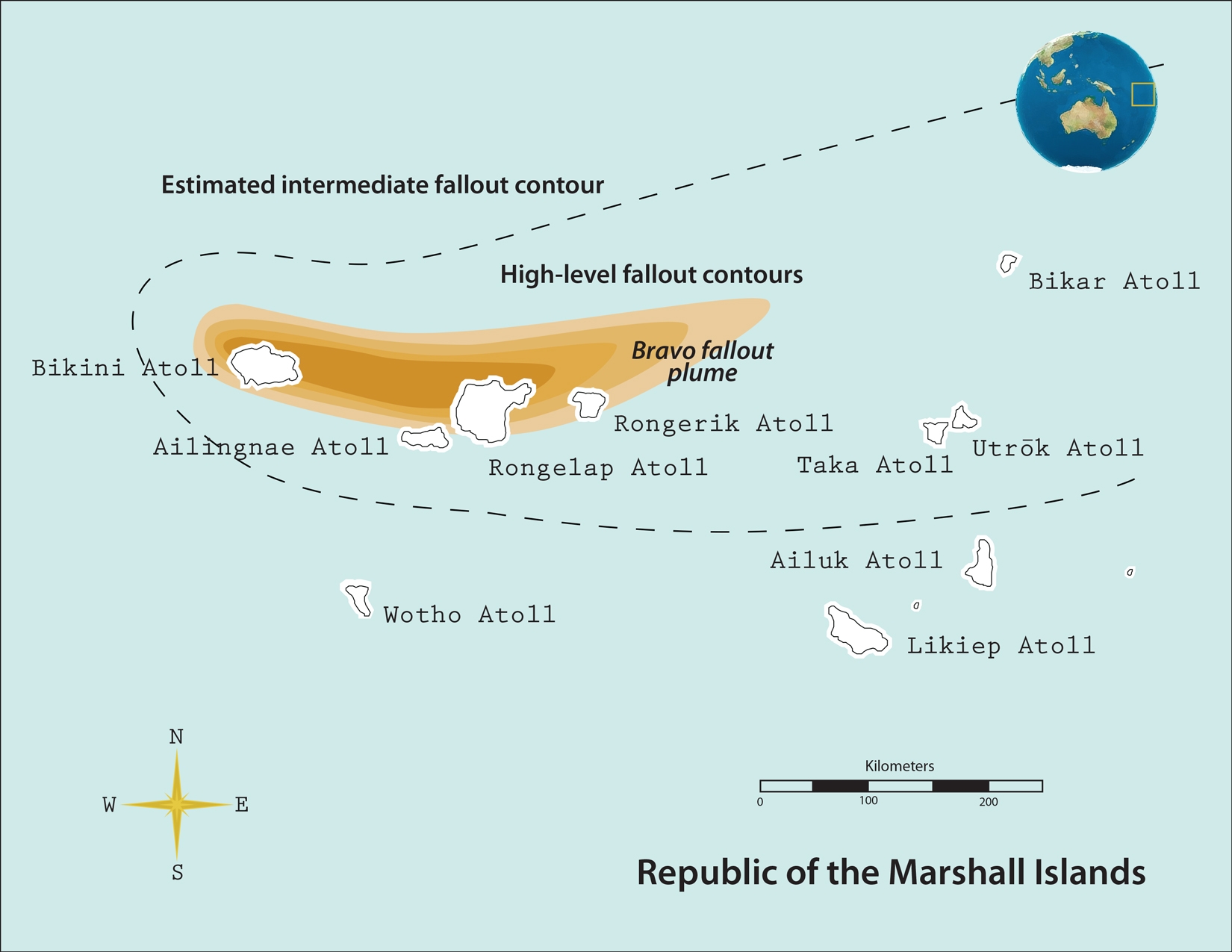
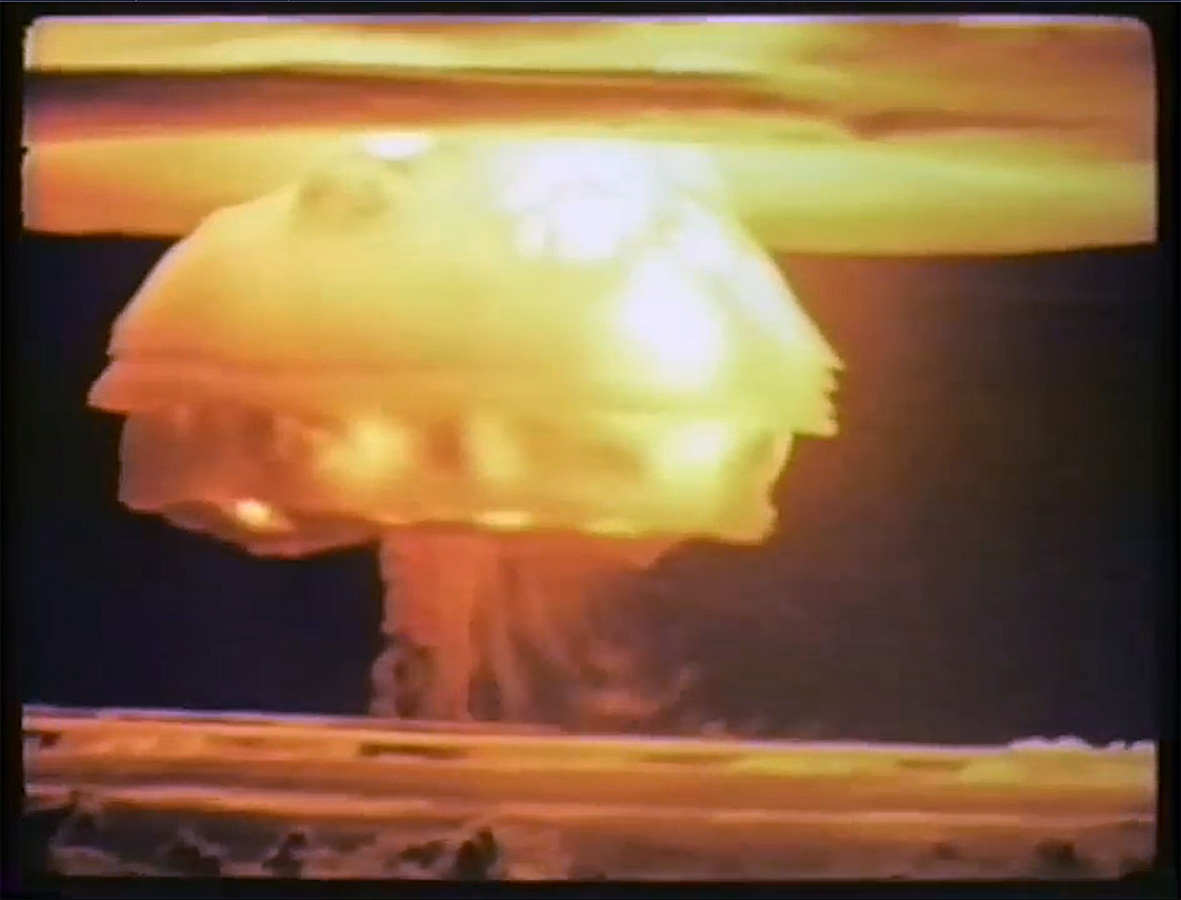
The blast at Bikini Atoll reached 15 megatons, nearly three times the yield test planners expected. It vaporized about 10 million tons of coral, sand, and water and sent a contaminated cloud across inhabited islands, American military positions, and a Japanese fishing vessel. More than 230 people were eventually evacuated from Rongelap, Rongerik, and Utrik, though many had already spent hours in the fallout zone documented by the Marshall Islands radiological program.
Residents of Rongelap Atoll, about 110 miles from the detonation, received the highest exposures among the island communities examined after the test. Medical teams documented skin injuries, hair loss, eye irritation, and changes in blood-cell counts. Decades later, a reconstruction of radiation doses across the Marshall Islands found sharp differences in estimated cancer risk by location, age, and the amount of fallout deposited on each atoll.
Castle Bravo Produced Far More Energy Than Expected
Castle Bravo followed an earlier American fusion experiment called Ivy Mike, detonated at Enewetak Atoll on November 1, 1952. Mike used liquid deuterium as fusion fuel and depended on large refrigeration equipment. The device stood more than 20 feet tall, weighed at least 140,000 pounds, and could not be carried by an aircraft. Its 10.4-megaton explosion destroyed Elugelab Island and left an underwater crater, a turning point described in the history of the early hydrogen bomb program.
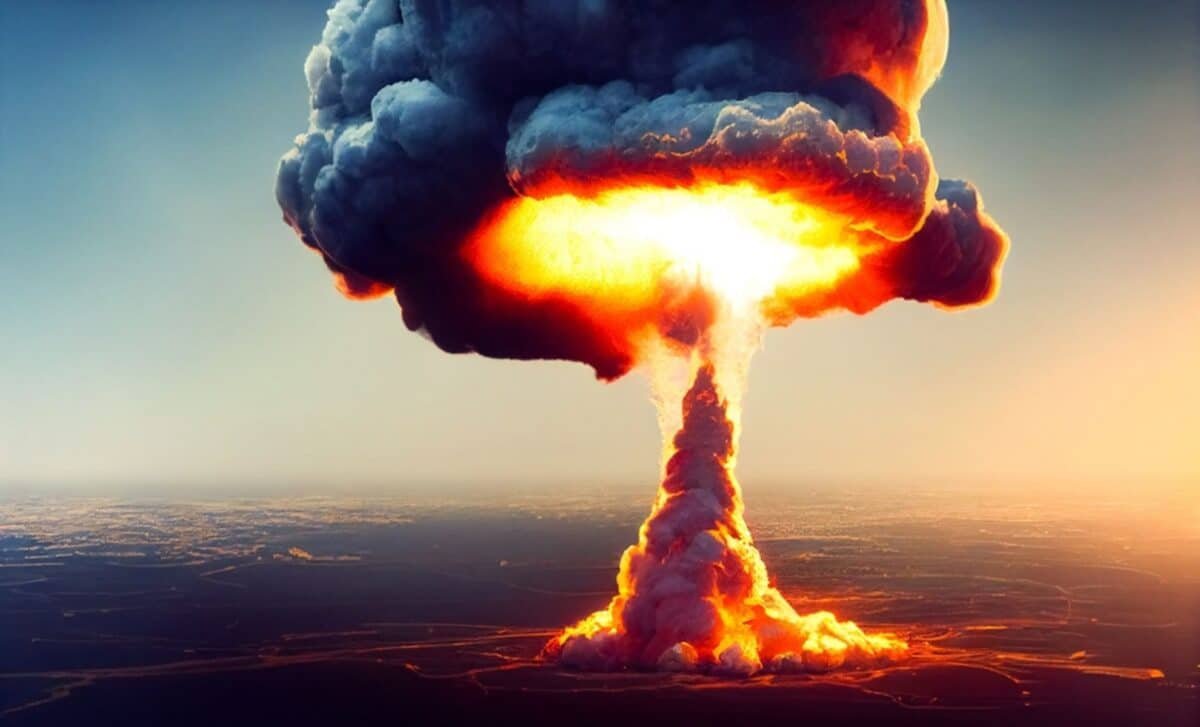
Weapons designers then turned to lithium-based solid fuel in an effort to build a more transportable thermonuclear device. The Castle Bravo device, code-named “Shrimp,” used that fuel, but planners underestimated how much of it would contribute to the nuclear reaction. The resulting explosion reached 15 megatons, roughly 1,000 times the yield of the bomb dropped on Hiroshima, a comparison preserved in the declassified Castle Bravo record.
The unexpected yield increased both the amount of radioactive debris and the distance it traveled. Castle Bravo became the largest of the 67 U.S. nuclear tests conducted in the Marshall Islands between 1946 and 1958. It was also the most significant contaminating event for several northern atolls, where fallout spread well beyond the immediate test site.
Fallout Reached Inhabited Islands Within Hours
The radioactive cloud moved east from Bikini and deposited material on Rongelap, Ailinginae, Rongerik, and Utrik. On Rongelap, the fallout began about five hours after the flash and coated people and their surroundings with a powder residents compared to salt. Their homes, built largely from light and open materials, offered little protection from airborne particles.
A declassified medical study of the exposed communities recorded how the material appeared in different locations. Rongelap residents described a salt-like film on their skin, while American personnel on Rongerik called it “mist-like.” Burning, itching, and eye irritation appeared early, but some of the most visible injuries took nearly two weeks to develop.
Skin lesions began appearing among the Rongelap group about 12 to 15 days after exposure. They formed on the scalp, neck, feet, arms, legs, and other uncovered areas, with some of the deepest injuries occurring on the feet. Hair loss was especially common among children. More than 90 percent of exposed Rongelap children aged 15 or younger developed some degree of epilation, the medical term for hair loss, compared with 28 percent of older residents.
Lucky Dragon Crew Members Were Exposed Outside the Test Area
Fallout also reached the Japanese fishing vessel Lucky Dragon No. 5, or Fukuryu Maru. Its 23 crew members were fishing outside the announced test zone when radioactive material landed on the deck and equipment. The men later developed radiation sickness, and one crew member died.
The vessel’s exposure brought the consequences of Pacific nuclear testing into public view in Japan and intensified concern about contaminated fish and radioactive fallout. The declassified record of the test and its aftermath traces contamination reports, evacuation decisions, communications with the Japanese government, compensation discussions, and repeated delays in returning Rongelap residents because radiation levels remained unsafe.
People were exposed in several ways. Radioactive particles irradiated the body from outside after settling on the ground, buildings, and clothing. Other material entered the body through breathing, drinking water, or eating contaminated food. Distance from the blast mattered, but so did wind direction, time spent in contaminated areas, housing, diet, and age.
Cancer Estimates Were Highest for Northern Atolls
Researchers later used historical monitoring records, weather data, environmental measurements, and fallout models to reconstruct radiation doses across the Marshall Islands. The National Cancer Institute analysis covered all inhabited atolls and 20 tests that produced measurable fallout. It then estimated the number of cancers associated with that radiation among more than 25,000 Marshallese who were alive between 1948 and 1970.
The sharpest estimates appeared in the northern atolls. Among the 82 people living on Rongelap at the time of exposure, the institute projected that 55 percent of cancers might be attributable to fallout. The corresponding estimate was 10 percent among 157 people exposed on Utrik, about 2 percent for Kwajalein residents, and about 1 percent for Majuro residents.
Across the full population studied, the assessment estimated about 170 excess cancers, equal to as much as 1.6 percent of all cancers expected in the group. The projected cases included thyroid, stomach, and colon cancers, along with leukemia. Thyroid risk received particular attention because radioactive iodine can collect in the gland, and children generally received higher thyroid doses than adults.
The Marshall Islands radiological monitoring program continues to measure contamination and radiation exposure among resettled and resettling populations. It identifies cesium-137 as the largest contributor to human-made radiation dose in the islands today. Exposure can come from contaminated surroundings and from locally grown foods that carry cesium-137 into the body.