Senior Reporter
[email protected]
One week after Maloney was declared a closed area under the Special Operations Act, Homeland Security Minister Roger Alexander says some tangible results are already visible, as he dismissed criticism over the heightened police activities.
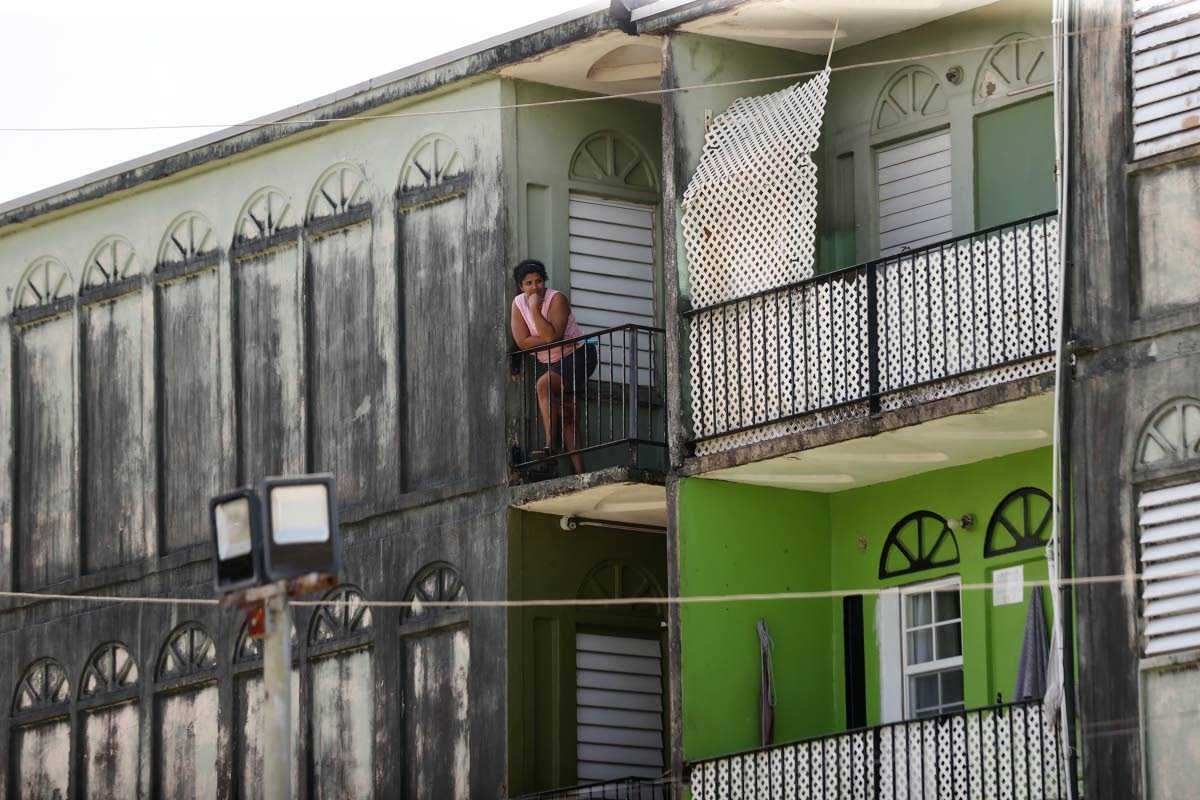
On November 10, police and soldiers locked down the Maloney Gardens housing area under the Special Operations Act, with a curfew in effect from 9 pm to 5 am.
The constitutionality of the Act, however, has been challenged, as activist Wendell Eversley has taken legal action against the State, with attorneys arguing that the introduction of the act infringes upon the rights of citizens.
However, Alexander said he was not deterred by the lawsuit, accusing those involved of being politically motivated.
“I even saw people want to go to court and all of that; it seems to me that the most impressive thing for the Opposition is to see the murders of people in this country and the constant bloodshed they seem to be accustomed to, because the average murder rate under the PNM is 535 to 550, and if that isn’t happening, they have a problem.”
Alexander argued that the community was already becoming safer from his observations, as he warned criminals in other areas that they too could also face restrictions if they pushed for more violence.
“Now, the zones entering in your area will depend on your behaviour as citizens. So young men, if you want to cause your area to be locked down, then you do what you have to do.”
While in Maloney yesterday, several residents said they felt that they were being made to pay for the irresponsible actions of others, as they blamed the shooting on November 9 on people from Red Hill, D’Abadie, a neighbouring area on the outskirts of the community.
However, Alexander said that the police would be vigilant against cases where people may migrate from one area to another with the intention of committing crime, before returning to their hometown to evade arrest.
“You’re not going to try and disguise your behaviour by going into another person’s community and behaving strange; if you behave strange, we’ll come to you and we will behave stranger.”
However, when Guardian Media visited the community, one Building 19 resident said he disagreed with Alexander that there was a visible change in the safety felt by residents, noting that the quiet streets observed were not unusual even before the lockdown was announced.
“The only thing that changed really is that we have to be inside a little earlier and that doesn’t bother me so much because I sell water on the highway, so I’m not outside at that hour anyways.
“My little brother trains with a neighbourhood football team and they adjusted their training hours too… when they (police) see me, they might just ask me where I am going and once I tell them, they leave me to go on my way, but that’s it.”
Another resident, Akeem Meloney, said there was not much of a difference in the safety he felt in the neighbourhood, noting that many residents like himself continued to make the most of the current security arrangements.
Meloney, 32, who is a self-employed landscaper, said while the atmosphere felt less tense than last week, he could not do his work.
“I got a request to go and cut some grass over a neighbour’s wall, but an officer came and stopped me from going across to cut the lawn.”
While in the neighbourhood, a group of residents were seen liming at a small parlour on Flamingo Boulevard, opposite the Maloney Shopping Mall, decorated for Christmas. One man said the restrictions were unpleasant, but he did not want them to steal his Christmas spirit.