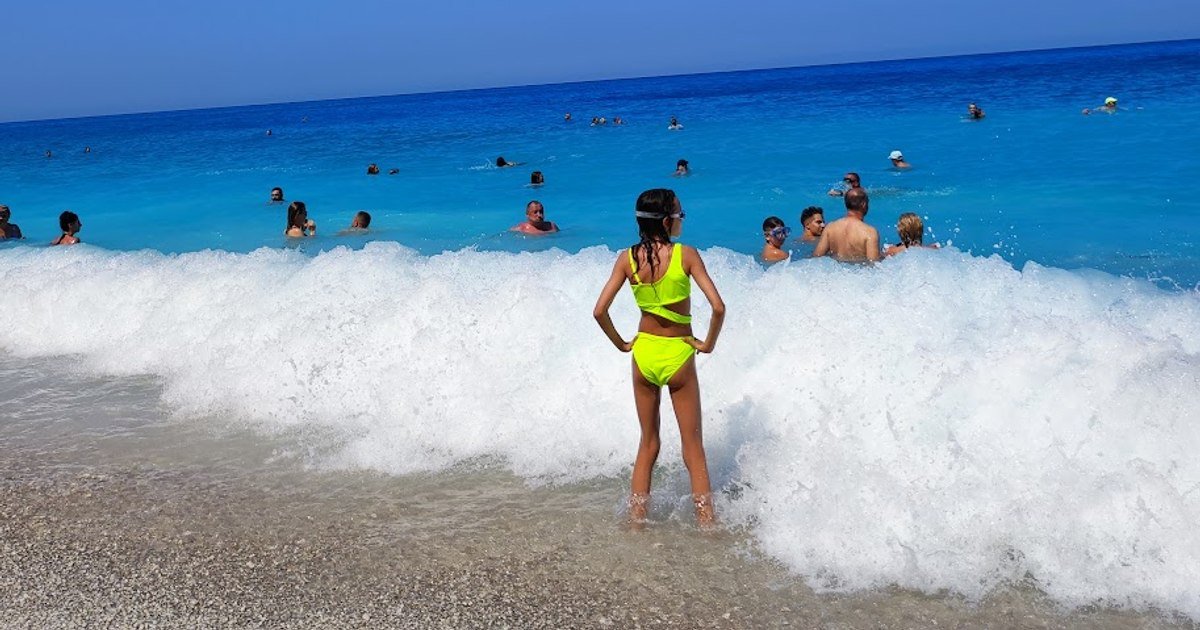
Authorities in Greece are on alert due to the spread of the silver pufferfish, a highly dangerous invasive species that has reached several tourist areas in the Aegean Sea and can cause serious injuries to people. The Greek government has already requested the support of the European Commission to limit the effects of this phenomenon.
Alert in Greece due to puffer fish. PHOTO: The truth
The Romanian doctor settled in Greece, Nikos Koudounis, explained for Digi24 that the fish is dangerous both by its toxicity and by the force of its bite.
“This fish must not be eaten under any circumstances because it contains a very dangerous toxin for the body. This fish came from Africa and is in Greece in several islands, especially in Crete and Evia”said the doctor.
According to him, the specimens can vary in size, from a few hundred grams to about five kilograms. The problem is that fish are increasingly approaching the bathing areas and can come into contact with tourists in the water.
“It can bite calves because it surfaces where people go in the sand at the beach,” Koudounis warned.
Specialists say that the silver puffer fish has extremely strong teeth, being able to break shells and crustaceans. According to the doctor, the force of the bite is so great that “can also break a box”.
The species, originally from the tropical Indian Ocean and Red Sea, has spread to the eastern Mediterranean through the Suez Canal and is present in increasing numbers in the coastal areas of Greece. The most affected regions are the Aegean islands, especially Crete and Evia.
The doctor stated that the fish was also observed near the Greek capital.
“It even reached Athens, where it bit a tourist a few days ago”he said.
However, the specialist believes that tourists should not panic, but be careful when entering the water and seek medical help immediately if they are injured.
“Tourists should not be afraid either, but they should also be very careful where they go and if they are bitten, they should go to the doctor immediately”, Koudounis pointed out.
The Greek authorities are monitoring the situation and trying to limit the impact of this invasive species, which affects the safety of tourists as well as marine ecosystems and the activity of local fishermen.