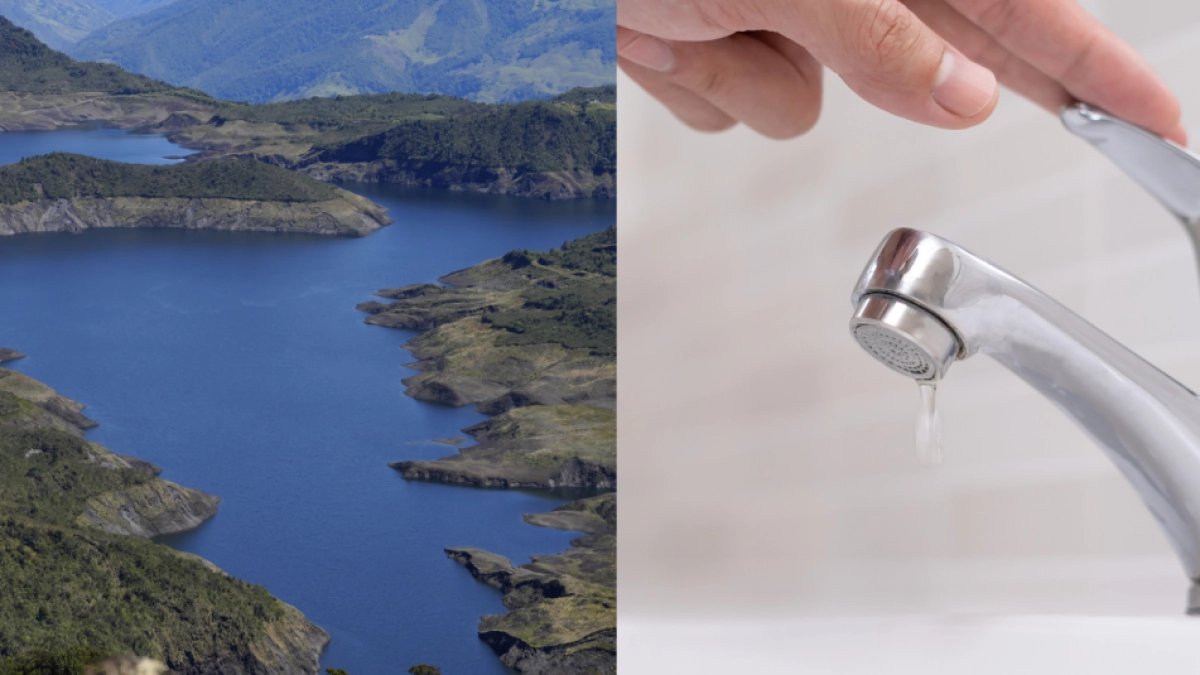
The situation of water shortage in Cundinamarca it becomes increasingly critical. According to the Regional Autonomous Corporation of Cundinamarca (CAR)35 municipalities in its jurisdiction They are in a state of water alert.
The latest report from the environmental corporation reveals that, with cutoff to this September 28, in several municipalities the situation is no longer solely preventive and became an effective shortagerationing or declared emergency.
Nevertheless, the emergency has different levels of intensity and is already forcing the municipalities to adopt measures to maintain water supply.
READ ALSO
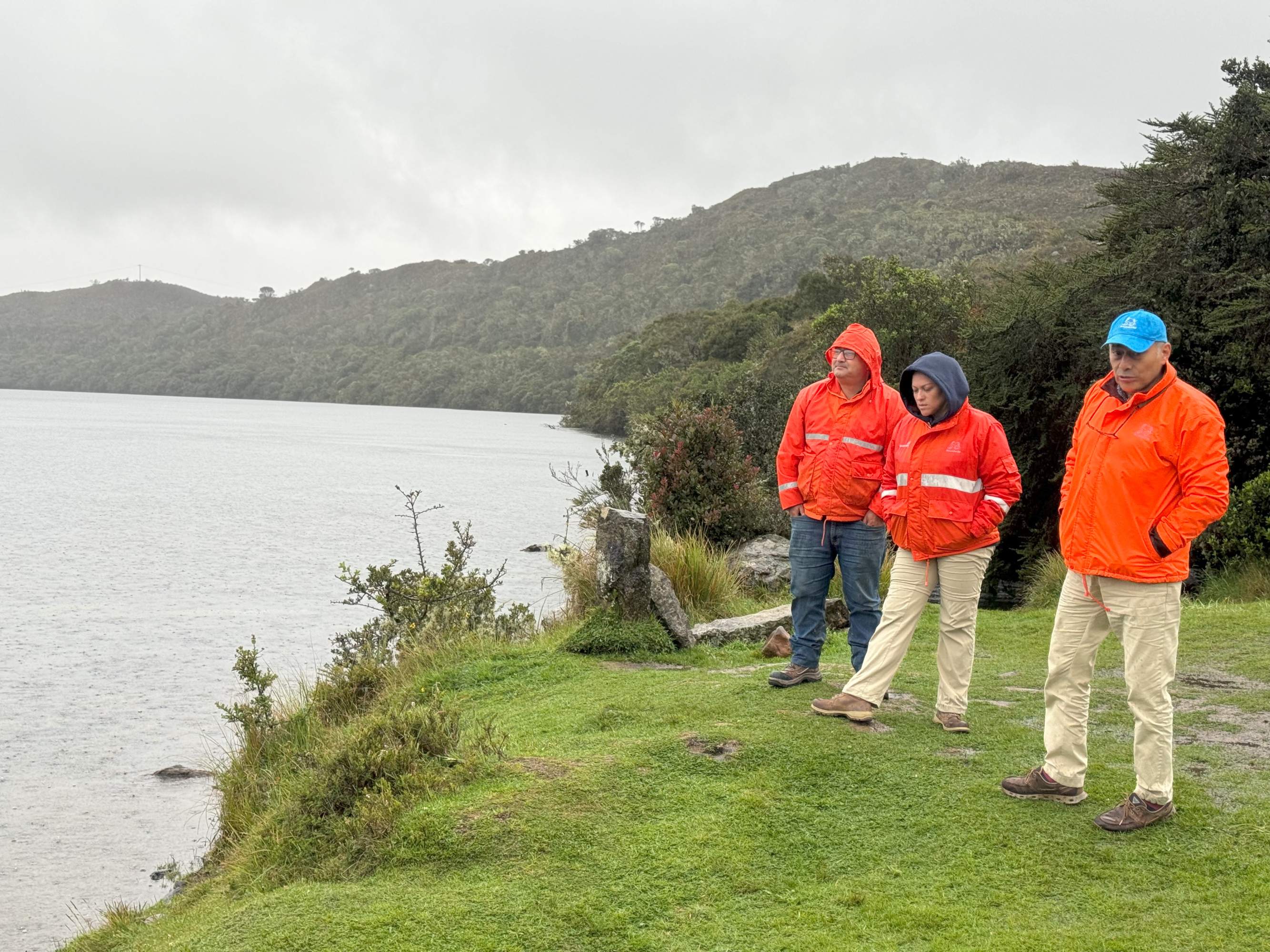
The panorama in the department, then, is marked by shortages, rationingthe use of deep wells, water sources with minimum flows and the use of tank trucks to serve their communities.
Besides, the authorities have taken measures to promote the rational use of water and keep down follow sources that present critical decreases in flow.
The water crisis map identifies six municipalities on red alertseven on orange alert and 16 on yellow alertin addition to other populations that have declared the public calamity or put in place special measures to guarantee supply.
“It is a quite complicated situation that could get worse if the El Niño phenomenon “It intensifies by the end of this year and lasts until the beginning of 2027,” he said. Alfred Ballesteros in dialogue with EL TIEMPO. Ballesteros, in fact, said that provinces such as Rionegro and Gualivá had almost 3 months without rain and only until last Saturday did they have rainfall.
- The director explained that the problem that a large part of municipalities is that they do not depend on regulated systemslike the reservoirs that supply the river basin Bogota Riverbut from intakes that are linked to sources or streams or rivers.
“These ecosystems are the most vulnerable to these dry seasons, they are the ones that present decreases in flows,” said Ballesteros.
The Facatativá water source dries up Photo:Milton Diaz
According to the CAR, they are on red alert Villeta, Caparrapí, Tocaima, El Colegio, Viotá and Guachetá. Puerto Salgar and Viotá have declared a public calamity.
The most serious cases are concentrated in Puerto Salgar and Viotá, where the municipal authorities have declared a public calamity. Since August 12, Puerto Salgar declared an emergency by the reduction of the flow dthe rBlack Iothe water source of the population.
In orange alert Facatativá, Apulo, Buenavista, Agua de Dios, Guaduas, Cachipay and Fúquene are located. and in yellow alert There are Anapoima, La Mesa, Anolaima, San Antonio del Tequendama, La Palma, Paime, Arbeláez, Granada, Venecia, Cabrera, Pandi, Tibacuy and Silvania. In the jurisdiction of Boyacá, Caldas, San Miguel de Sema and Saboyá are also in said classification.
In Viotá, the situation combines toalert roja and public calamity. The compromised source is the Ruisito stream.
Added to these cases are Villeta, Caparrapí, Tocaima, El Colegio and Guachetá, which appear among the municipalities in condition of toalert roja in the CAR report.
READ ALSO
In Villeta, the andcompany of yesservices ppublic reported that had declared the red alert in the provision of the aqueduct service and requested the environmental corporation carry out field verifications against possible illegal collections.
In Caparrapí, in the face of shortages, the local mayor’s office issued declared a red alert throughout its jurisdiction.
In Tocaima, the CAR relates the water contingency with the Calandaima sourcealthough it warns that, at the time of the report, there was unofficial knowledge of the situation.
At El Colegio, the affectation due to shortage It is related to the Santa Marta, Antioquia and Antioqueñita streams. Guachetá is also classified on red alert.
Magdalena Centro: rationing and tank trucks
Ato of thethe areas of the department What worries the authorities the most? environmental is Magdalena Centro, where several municipalities face difficulties in guaranteeing supply of water for human consumption.
The CAR reports regional rationing that involves BituimaSan Juan de Rioseco, Pulí and Chaguaní. The mayors are responding to the emergency with tank cars in some cases.
In Chaguani HE adopted measures to prevent the deterioration of the resource water and promote its rational use, under a preventive rationing scheme. Within the regional rationing block there is also Beltran.
In Facatativá, Cundinamarca, there is a deep crisis due to water shortages. Photo:Néstor Gómez / EL TIEMPO
The pressure reaches the Western Savannah
The water crisis also reaches one of the areas with greater urban and economic concentration in the department.
Facatativa, that two weeks ago had been declared on orange alert, according to the CAR continues with a deterioration of its water sources. The environmental entity reports a critical decrease in flows that supply the municipal reservoirs.
The pressure on supply sources also has consequences for Mosquera, Madrid and Funza, which are supplementing the supply of drinking water through underground wells.
Sumapaz: rural aqueducts in shortage
The panorama is especially complex in he Sumapaz, where seven municipalities appear on yellow alert and the CAR identifies numerous affected rural systems.
In Arbelaez there are aqueducts in rationing or shortagesamong them La Honda, La Unión, San Antonio, Santa Bárbara and San Luis. The La Lejía and Honda streams appear without flow.
In Granada, the corporation indicates that the urban area remains rationed and? The shortage also affects the La 22, upper part, and El Hoyo-La Planada trails.
In Venice, 12 families from the San Antonio sector They are in a situation of shortage because they dried up the springs from which it collected water. According to the CAR, these families They have received supplies with support from firefighters.
In Cabrera, there is a shortage in the sector Gualcala and at the Núñez school, in the Alto Ariari village, where rationing is also recorded.
In Cabrera, there is a shortage in the Gualcalá sector and at the Núñez school, in the Alto Ariari village, where rationing is also recorded.
The situation in Pandi involves numerous systems of supply. According to the CAR, there is shortages in aqueducts such as ValdepenaMarket-La Guaca, MoralitosLas Lajas-Quebrada Grande, Sabanalarga, Santa Helena Baja, Quebrada La Ochinde and other rural and regional systems.
Water tank trucks supply liquid to areas that do not have liquid after rationing. Photo:Bogotá Aqueduct
In Tibacuy, The shortage affects the paths of Albania, Piedra AnchaLa Portada and Siberia, while the sidewalk Calandaima-San Francisco is close to entering that condition.
In Silvania, the environmental entity registers shortages in San José-Las PalmasYayatá Pomarosy, YayataQuebrada Honda, Azafranal, went up Alta and Panama. Among the related water sources are the El Hato stream, the went upthe ravines YayataHonda, Las Pilas and Chiquinquirá.
More municipalities under surveillance
water pressure It is not concentrated exclusively in municipalities with red alert. The report also includes to Fúquene, Agua de Dios, Apulo, Cachipay and Guaduas are on orange alert, and they are on yellow alert. Anapoima, La Mesa, La Palma, Paime, Anolaima and San Antonio del Tequendama.
In Apulo, the CAR identifies the Calandaima River as a compromised source and registers partial shortages.
At the table, The reported source is the La Honda stream. and there is a shortage. In San Antonio del Tequendama there is also a shortage, while Anolaima presents a situation of partial shortage.
In order to mitigate future water shortages, the CAR director says they are working with United Nationshe World Wildlife FundMore Forests and community action boards in the restoration of 800 microwatersheds. The capacity of the El Neusa reservoirthey have been purchasing land and executing payment schemes for environmental services with farmers.
In addition, more than 80,000 rainwater collection kits have been delivered and 5,000 reservoirs and 52 nurseries are being built in municipalities, and, with Agrosavia, the entity is working on the production and planting of more than 3 million trees.
GUILLERMO REINOSO RODRÍGUEZ
Bogotá Editor
In X: @guirei24