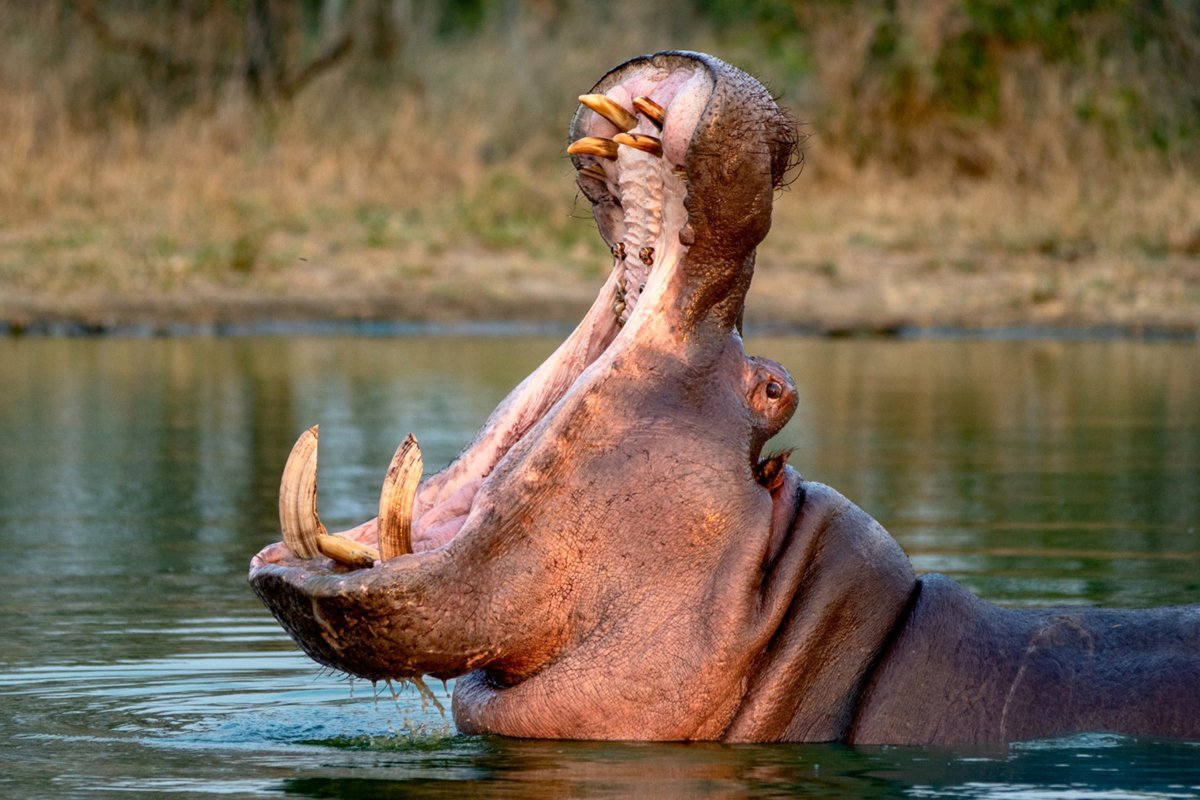
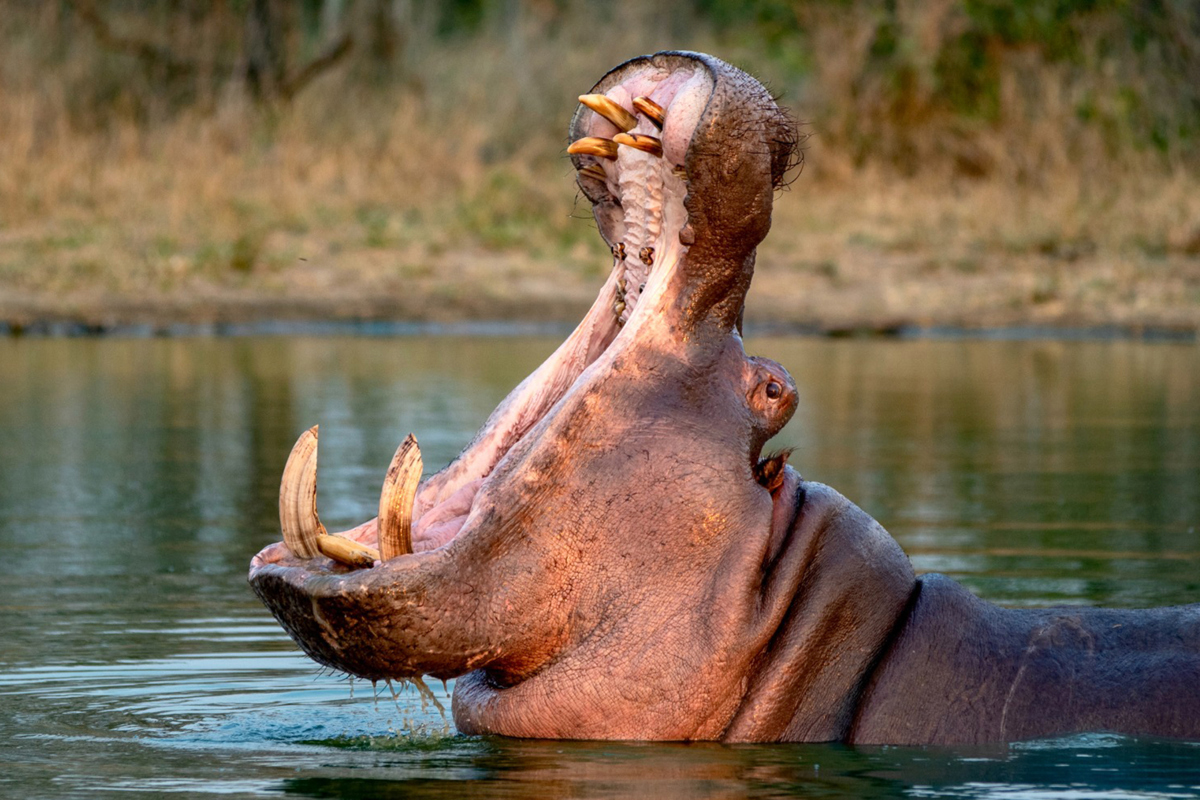
What began as an eccentric whim of drug trafficker Pablo Escobar to bring four hippos to Colombia for his private zoo became three decades later a serious environmental and security problem in the center of the country, where this species reproduces uncontrollably until it becomes a danger.
In 2022, the almost 200 hippos that descend from those first four specimens brought from Africa more than 30 years ago were declared by the government as an invasive exotic species and since then plans have been drawn up for their control that have not been applied until now.
Due to this, the Colombian government announced this Monday a hippopotamus management plan, which includes the euthanasia of at least 80 specimens during the second half of this year, to prevent their reproduction.
Euthanasia for hippos
“Since 2022, science has told us that we must reduce the population (of hippos) to save our ecosystems,” said the Minister of the Environment, Irene Vélez, referring to euthanasia as a control method after verifying that the attempt to transfer these specimens to other countries was not successful.
Two methods of euthanasia will be implemented, one physical and the other chemical, which begin with the capture of the hippopotamus, sedation and subsequent administration of medications “approved by experts in the management of these processes.”
The 80 individuals will be taken from Hacienda Nápoles, Escobar’s former property in the center of the country, where his zoo was, and from the nearby Isla del Silencio, in the Magdalena River, where the largest number of this species is concentrated.
However, intervention is not ruled out in other areas near cities where the presence of these animals, which pose a danger to the human population, has been confirmed.
The hippopotamus is the third largest land animal in the world, after the elephant and the white rhinoceros, weighing between 1,300 and 3,500 kilograms, and has one of the deadliest bites in wildlife.
They are very territorial animals that can live up to 50 years and tend to become aggressive in the presence of humans, which is why they are a danger to farmers and fishermen of the Magdalena River, the main river in Colombia.
Genetic flaws
The euthanasia measure was taken after the failure of other control methods, such as the transfer of the pachyderms to countries such as Mexico, the Philippines, Peru, India and South Africa, after their governments did not issue the Cites (Convention on International Trade in Endangered Species of Wild Fauna and Flora) permits necessary to complete the management.
Minister Vélez explained that Colombian hippos have “genetic poverty” due to inbreeding, which has caused “genetic damage that is already visible” in some specimens and that limits their reintroduction.
“Although there have been conversations with countries like South Africa, they are not particularly interested in receiving our specimens since they come with alleged genetic damage due to the very small number of individuals with which this population was formed,” Vélez explained.
The Government declared that it had carried out diplomatic efforts with at least seven recipient countries during the last six months, without receiving any response. “This administrative silence tells us that there is no interest in receiving individuals,” added the Minister of Environment.
Since hippos were declared an invasive alien species in 2022, technical authorities recommended reducing their population by at least 33 animals per year, a figure that has not been met, which represents a delay that motivated the execution of “a shock plan to bend the curve.”
However, the government’s plan has already begun to receive criticism from animal rights activists, who believe that the Ministry of the Environment should study other alternatives to control the growing population of hippos.
“I will never support the killing of healthy creatures; even less so if, as in this case, they are victims of irresponsibility, negligence, indolence and state corruption,” said Senator Andrea Padilla on her X account, who defends measures such as surgical sterilization and confinement, even if they are more costly than euthanasia.