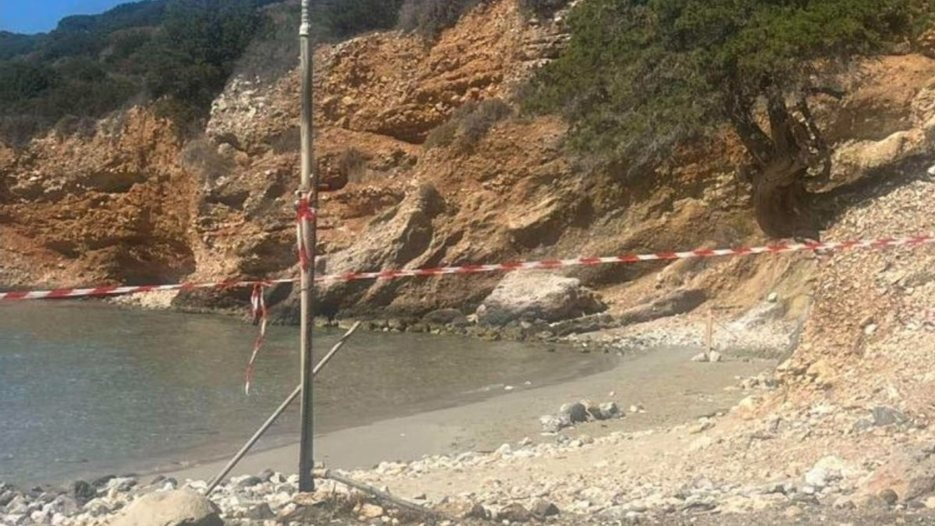
This part is a component of the high-pressure supply system of a Russian anti-aircraft missile: It is an element used in complexes such as the S-300 or the TOR-M1. An interesting fact is that the Greek armed forces also officially use these systems. The item found is completely identical to another find from the previous week. The previous item was washed up from the sea off the rocky shore of Agios Antonios. The similarity between the two objects confirms the conclusions about their common military origin.
The military will use the serial numbers to determine the exact origin of the sphere. It remains to be clarified how exactly the object got into the sea waters. Sea currents probably brought the debris to the shores of the island of Crete. These spheres are extremely robust reservoirs for compressed nitrogen or air. The gas is used to drive the rudders of the rocket itself.
The spheres also serve to cool the warhead homing head. Because they are airtight and hollow, these metal elements do not sink in water. They can travel hundreds of kilometers after conducting military exercises. The Eastern Mediterranean region often becomes the recipient of such military remnants. This is due to the proximity to areas of intense military activity. Conflicts and exercises in the Black Sea often lead to the disposal of such debris.