Loading Text-to-Speech…
Yesterday’s – formal in terms of procedure, but essential in terms of its content – signing of the agreement between France and her Republic of Cypruswhich establishes the possibility of French forces being stationed in the free, southern part of the island, is yet another step in deepening Nicosia-Paris relations in the field of defense and security.
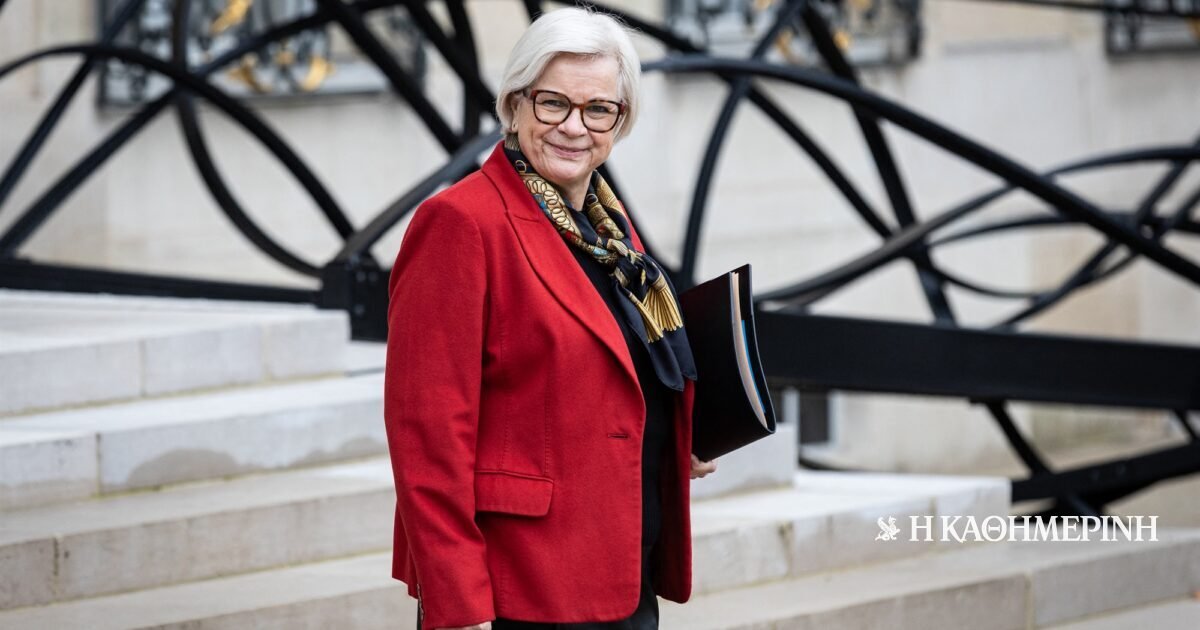
The deal SOFA (Status of Forces Agreement)signed by the Minister of Defense of the Republic of Cyprus Vassilis Palmas and the Minister of the Armed Forces of France Catherine Vautrin, practically defines the regime that will govern the presence of the military forces of the two countries when they are active on the territory of one or the other country.
It is clear that this mainly concerns the French forces, which in previous years have increased their presence on the island, with the president of France Emmanuel Macron to show his practical interest in creating deeper ties with Nicosia.
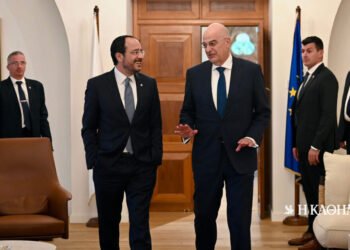
After all, yesterday’s signature (on the sidelines of the EU Defense Ministers’ meeting) comes approximately six months (December 2025) after the strategic cooperation agreement signed in Paris by Mr. Macron and his counterpart Nikos Christodoulidis.
What does it predict?
The naval arm it is dominant. As Mrs. Vautrin already underlined yesterday, the agreement foresees the docking of French warships in the ports of Larnaca and Limassol 30 times a year, while in 2026 21 have already been recorded. It therefore becomes clear that Paris and Nicosia are simply putting an institutional framework on something that is already underway.
Part of the agreement is also the possibility of rapid deployment of French forces should humanitarian operations (under the EU or simply French flag) be required in the wider Levant region.
The war conflicts that have been developing for almost three consecutive years in the region have highlighted this necessity. And in this context, it should not be forgotten that last March, immediately after the dispatch of Greek forces to Cyprus (frigates and F-16 fighters), the first EU country France was quick to deploy forces in the territorial waters of the island.

“We will continue to invest in partnerships and initiatives that promote constructive dialogue, strengthen security and create the conditions for sustainable peace in the Eastern Mediterranean,” said Mr. Palmas. “Cyprus is a key base for conducting our military operations in the Eastern Mediterranean and the Middle East.
The ports of Larnaca and Limassol host around 30 French ships every year – 21 so far since January 1 – and the cooperation between our navies is commendable,” said Ms Vautrin, among others.