Thirty-three dollars for a bottle of mayonnaise. That is what leaked tender documents show the Belize Defense Force was charged by one supplier, even though another company offered the same item for less than seven dollars. And mayonnaise is only the beginning. The records also show an engineering and construction company supplying thousands of pounds of meat to the military at prices above the national average. A closer look at just three basic items suggests taxpayers may have paid tens of thousands of dollars more than necessary. Tonight, News Five’s Paul Lopez continues his dig into the contracts and follows the numbers in the fleecing of the Ministry of Defense.
Paul Lopez, Reporting
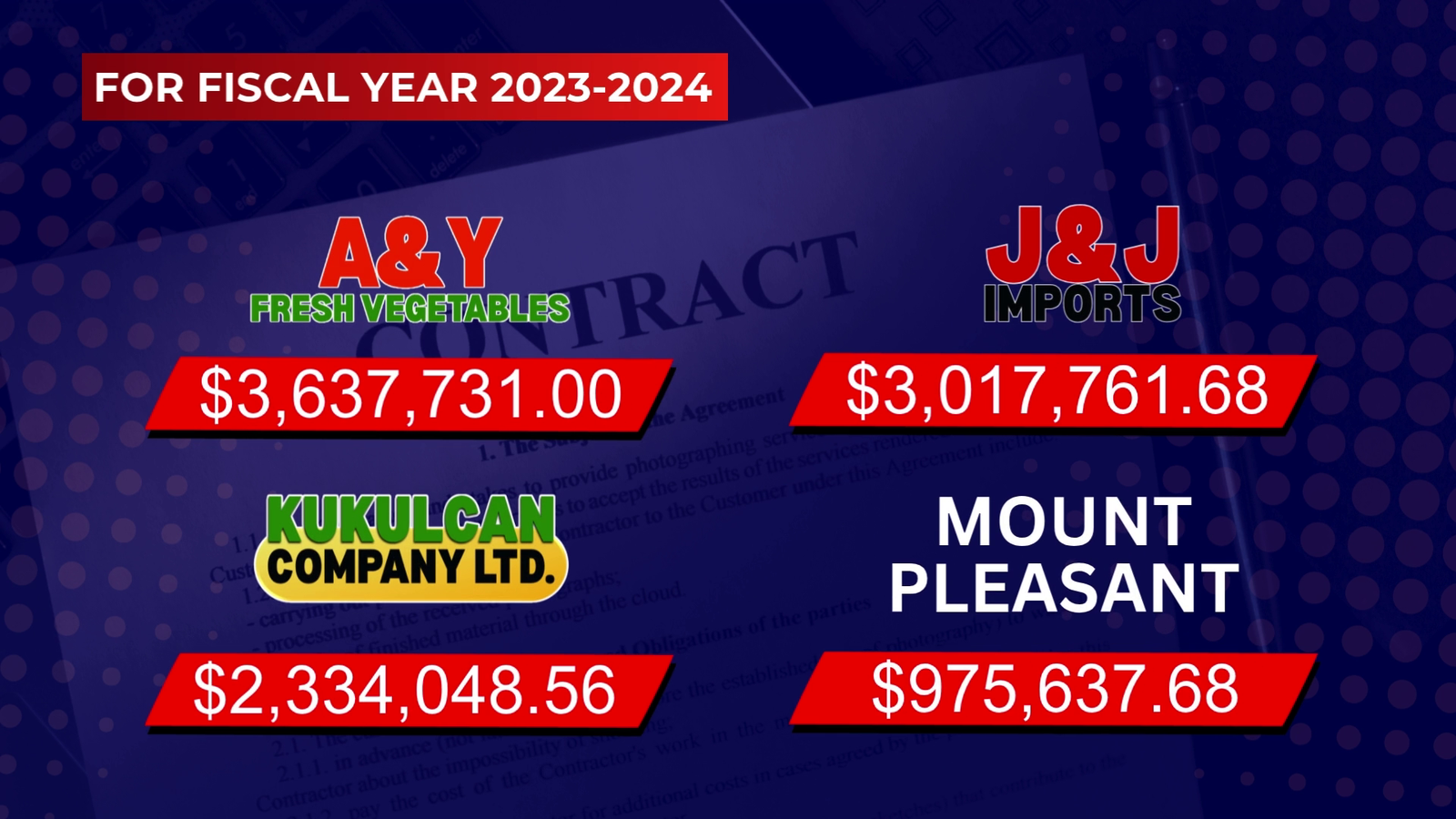
Four suppliers walked away with most of the Belize Defense Force’s supply contracts for the 2023-2024 fiscal year. According to leaked documents, A&Y Fresh Vegetables, J&J Imports, Kukulcan Company Limited, and Mount Pleasant Fresh Produce secured the bulk of the agreement. But the bigger question is not only who got paid. It is how much taxpayers paid, especially for everyday items like mayonnaise.
S o how expensive can a bottle of everyday kitchen condiment get? According to figures from the Statistical Institute of Belize, a thirty-two-ounce bottle was selling for nine dollars and twenty cents during that fiscal year. Mount Pleasant Fresh Produce charged the B.D.F. six dollars and ninety-eight cents for a much smaller bottle, about half that size. But the tender documents show J&J Imports charged thirty-three dollars and eighty-seven cents for a similar bottle. That is nearly five times what Mount Pleasant charged, and roughly four times the price of a larger bottle on the local market. Those documents reflect a woefully inflated price paid to J&J Imports for mayonnaise. If the ministry had gone with the six dollars and ninety-eight cents price from MP Fresh Produce, it could have kept as much as thirty-nine thousand, nine hundred and sixteen dollars and twenty cents in savings.
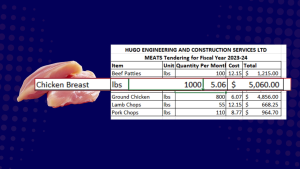 And when it comes to Hugo Engineering and Construction Company, the purchasing record shows that it was supplying an assortment of meat to the Ministry of Defense. From beef steak to chicken breast, and even lamb and pork chops. What stands out first is the nature of the supplier. The company was not a butcher shop, a farm, or a food distributor. It was an engineering and construction firm supplying meat to the military.
 A closer review of the bidding records also casts doubt on whether the ministry was truly shopping for the lowest prices. Hugo Engineering supplied the ministry with one thousand pounds of chicken breast monthly or twelve thousand pounds annually, at five dollars and six cents per pound for fiscal year 2023-2024. That is thirty-three cents higher than the national average of four dollars and seventy-three cents per pound of chicken breast in April 2024. And while a thirty-three cents markup might seem insignificant, over twelve months it amounts to three thousand, nine hundred and sixty dollars more in spending.
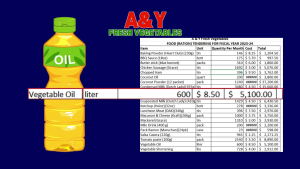 Another example is the price the Ministry of Defense paid for vegetable oil. According to SIB’s July 2023 data, a liter of vegetable oil sold for six dollars and thirty-nine cents. Yet, the ministry paid Mount Pleasant Fresh produce seven dollars and thirty cents per liter for a total of three hundred liters monthly. That is about a dollar more than the national average for mid-2023. The ministry also paid A&Y Fresh Vegetables eight dollars and fifty cents for that same liter of vegetable oil, for a total of six hundred liters a month. Between both companies, the ministry could have realized savings of up to eighteen thousand, four hundred and sixty-eight dollars.
 A basic assessment of the prices the Ministry of Defense paid for three items from an expansive list show that it could have saved more than forty-three thousand dollars when compared to the national average cost of these products at the time. Reporting for News Five, I am Paul Lopez.
Attention readers: This online newscast is a direct transcript of our evening television broadcast. When speakers use Kriol, we have carefully rendered their words using a standard spelling system.