The minister Luiz MarinhoLabor and Employment, interfered in the dirty list of slave labor to remove from the register an association founded by the president of a PT directory in Bahia.
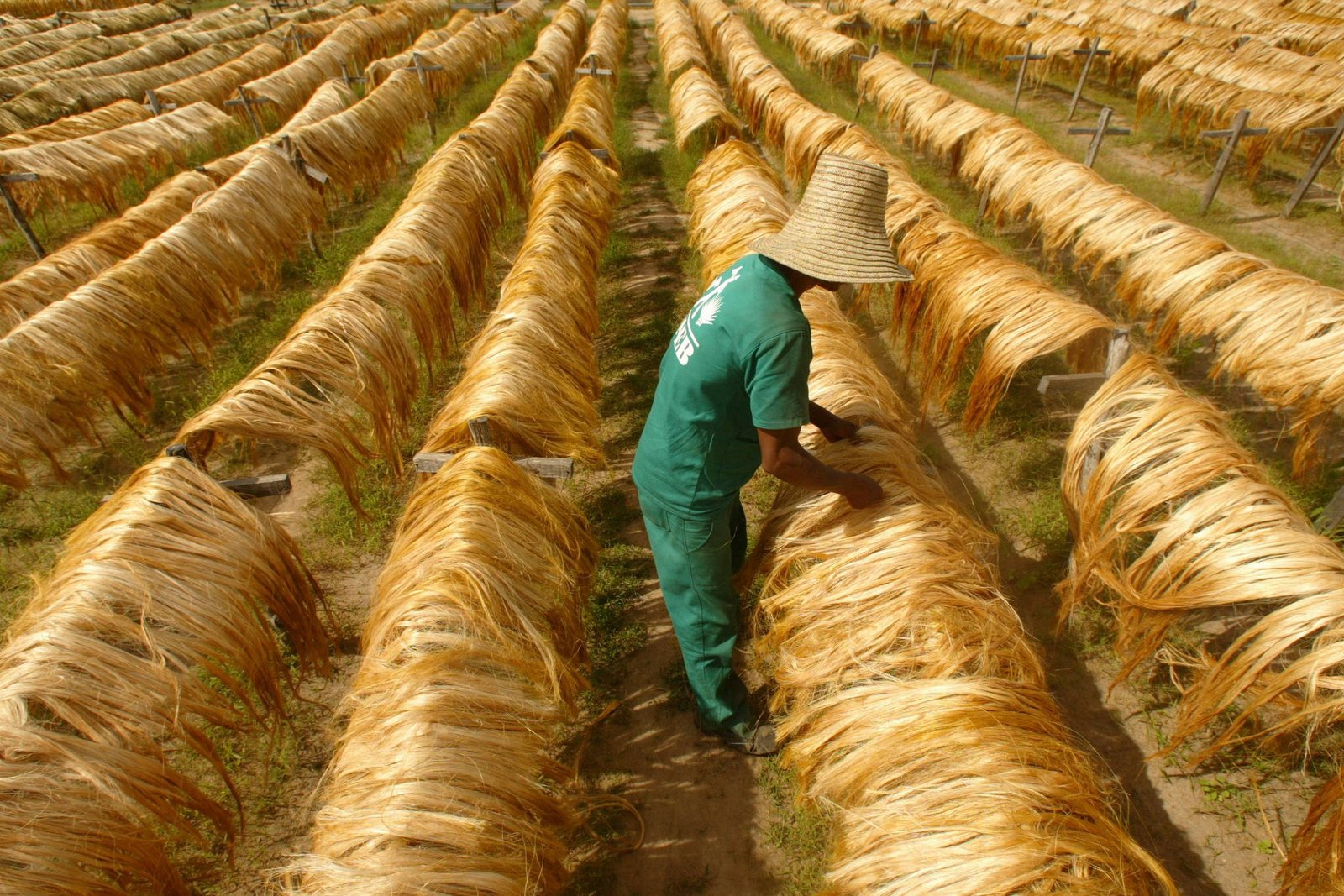
Apaeb (Community Association for the Production and Commercialization of Sisal), in the municipality of Valente (BA), was charged and fined in 2024 after an inspection concluded that it was responsible for conditions analogous to slavery for workers harvesting sisal fiber.
Marinho used the so-called avocatória — in which the minister assumes decision-making power — to cancel the infractions. He also referred the case to the department’s internal affairs department to evaluate the performance of tax auditors, in what was seen by employees in the area as a case of institutional harassment.
The association denies responsibility for the case, and the Ministry of Labor did not comment.
Last week, Marinho did the same with an asphalt company in Goiás, which had its fines annulled and did not end up on the dirty list. It was the fourth recall made by the minister in less than a year. This Monday (13), the inspection secretary of the Workthe department responsible for company registration, was dismissed from his position amid the internal crisis at the ministry.
In the case of Apaeb, due to the minister’s intervention, the entity is no longer included in the register of companies that subject workers to conditions similar to slavery, published last Monday (6).
Apaeb was founded by Ismael Ferreira (PT), former mayor of Valente, a Bahian municipality in the sisal territory, around 250 kilometers from Savior. Now a former director, he continues to represent the association. He was with Marinho in a meeting in August 2025. According to the minister’s agenda, the topic of the meeting was the labor inspection process.
THE Sheet sent to the Ministry of Labor and Employment throughout the month of March a list of questions about Luiz Marinho’s relationship with Apaeb and with two other companies favored by his avocations — JBS and Santa Colomba—, but received no response.
Apaeb says it does not have a farm and does not plant or harvest sisal fiber.
“Apaeb has no relationship with the farm mentioned in the process, in addition to never having had any type of direct or indirect contact with any of the workers. This was explained several times to the inspectors, who ignored it and preferred to accuse the association anyway”, he states.
For the inspectors, however, there was structural subordination between Apaeb and the farm workers, since the latter followed the production model defined by the association, which also controlled the price, provided resources and determined the quality of the product.
At the ministry’s Labor Inspection Secretariat, Marinho’s decision caused discomfort. Not only because it annulled the result of an inspection, but because of what was seen as excessive flexibility with deadlines.
The article of the CLT (Consolidation of Labor Laws) used for the minister to draw the verdict on the inspection provides for a period of 90 days from the final order of the process. In the case of Apaeb, the process had been completed since June 2024, and even the fines applied by the ministry had been paid.
The Labor Attorney General’s Office is also against the use of avocation. The understanding, says Attorney General Glaucio Araujo de Oliveira, is that companies with problems have other tools to contest these punishments.
The association states that it buys sisal primarily from small rural producers. To complement this, it also purchases from intermediaries, which would be the case of property inspected in the operation of the Ministry of Labor and Employment. According to the association, this producer does not sell exclusively to Apaeb.
Minister Luiz Marinho told Sheetin an interview with the C-Level program at the end of February, that the assessments in which he interfered would end up being annulled in court because they had not been correctly characterized.
“‘The minister called it’. No. The minister endorsed the legal analysis, who said: ‘There is a problem here. If this goes to court, it will be null and void'”, he stated.
The first recall made by Marinho prevented JBS from being placed on the dirty list. In this case, the minister used a legal opinion that cited the company’s relevance and potential impacts on the economy in Brazil and abroad. Animal protein giant, JBS is among the largest meat exporters in the world.
In a statement, JBS states that Seara, the outsourced contractor, immediately terminated the contract and blocked the provider as soon as it became aware of the complaints. The company also hired an external audit to check workers’ documentation. The company also says it has zero tolerance for violations of labor practices and human rights.
The use of an economic reason to shield a large company was, for the auditors, the culmination of a difficult relationship that in 2025 led to the strike of 390 employees working in operations to combat slave labor.
Work was only resumed at the end of February, after Conatrae (National Commission for the Eradication of Slave Labor) set up a group to monitor operations. It was, according to auditors, a way of supporting the work of inspectors.
In addition to Apaeb and JBS, Marinho did the same for Santa Colomba, a cotton, cocoa and grain producer company whose lawyers include João Paulo Cunha, former president of Chamber of Deputies by PT. Cunha signs the request to recall the case, in which he requests the nullity of the administrative process. In this case, a tortured worker was identified.
Contacted since March 13, Cunha’s office and Santa Colomba did not respond to the report.
The most recent call was from LCM Construção. According to the audit report, 15 workers were rescued from situations similar to slavery during the construction of a highway in Goiás. The company was contacted this Monday (13) and did not respond to the report’s request for comment.
The avocation had not been used before. Other companies even tried, but the ministry’s legal consultancy blocked the appeal. The procedures also had other points considered obscure by the servers.
For the national coordinator of Anafitra (National Association of Labor Tax Auditors), Rodrigo de Carvalho, the measure that benefited the sisal association was an attempt to curb the inspection work.
“He revoked an act (of infraction), did not publicize this act and even took the measure of sending it to the Internal Affairs Department. How safe do I have to leave my house, go to the interior, and try to do work like that?”, he said.