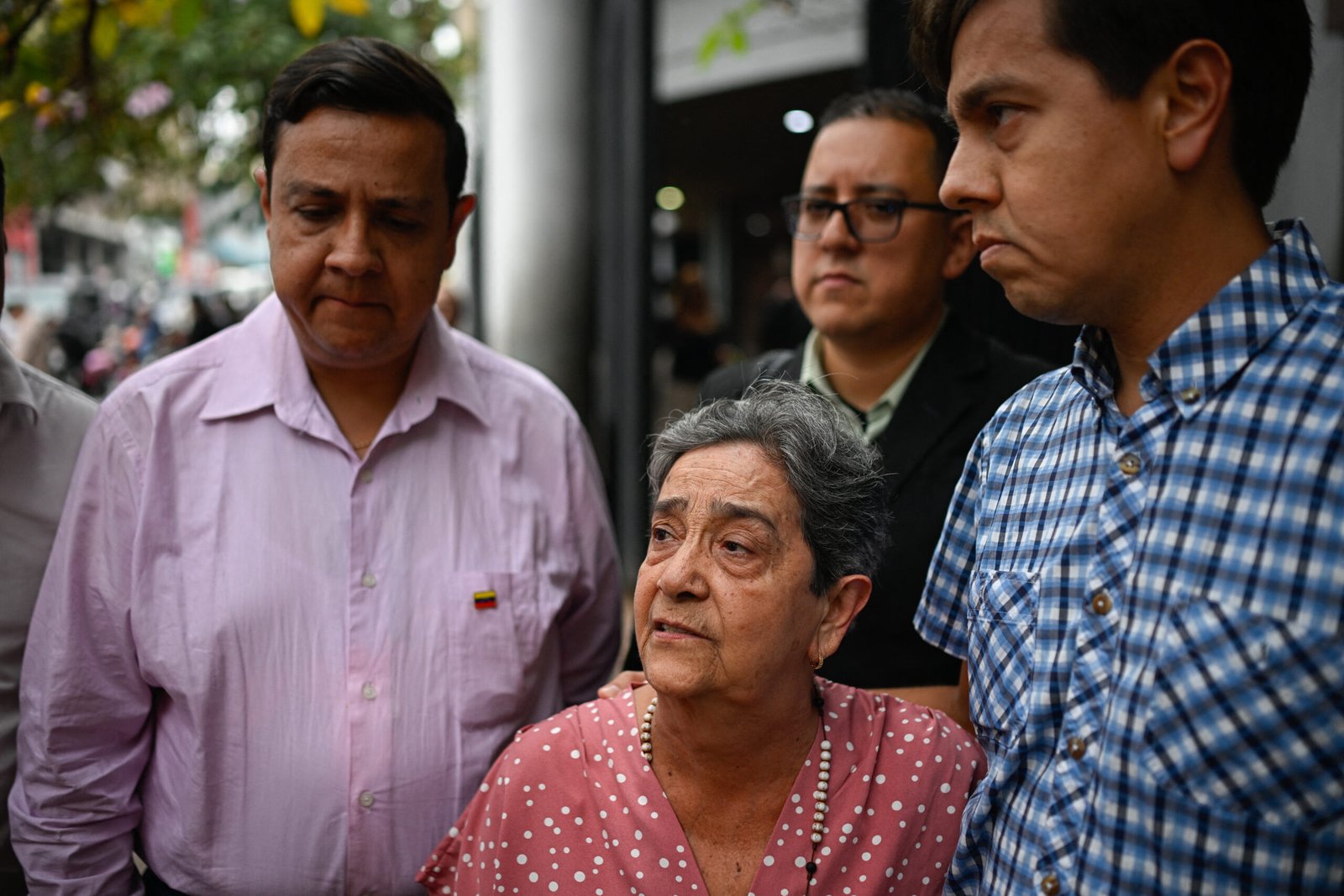
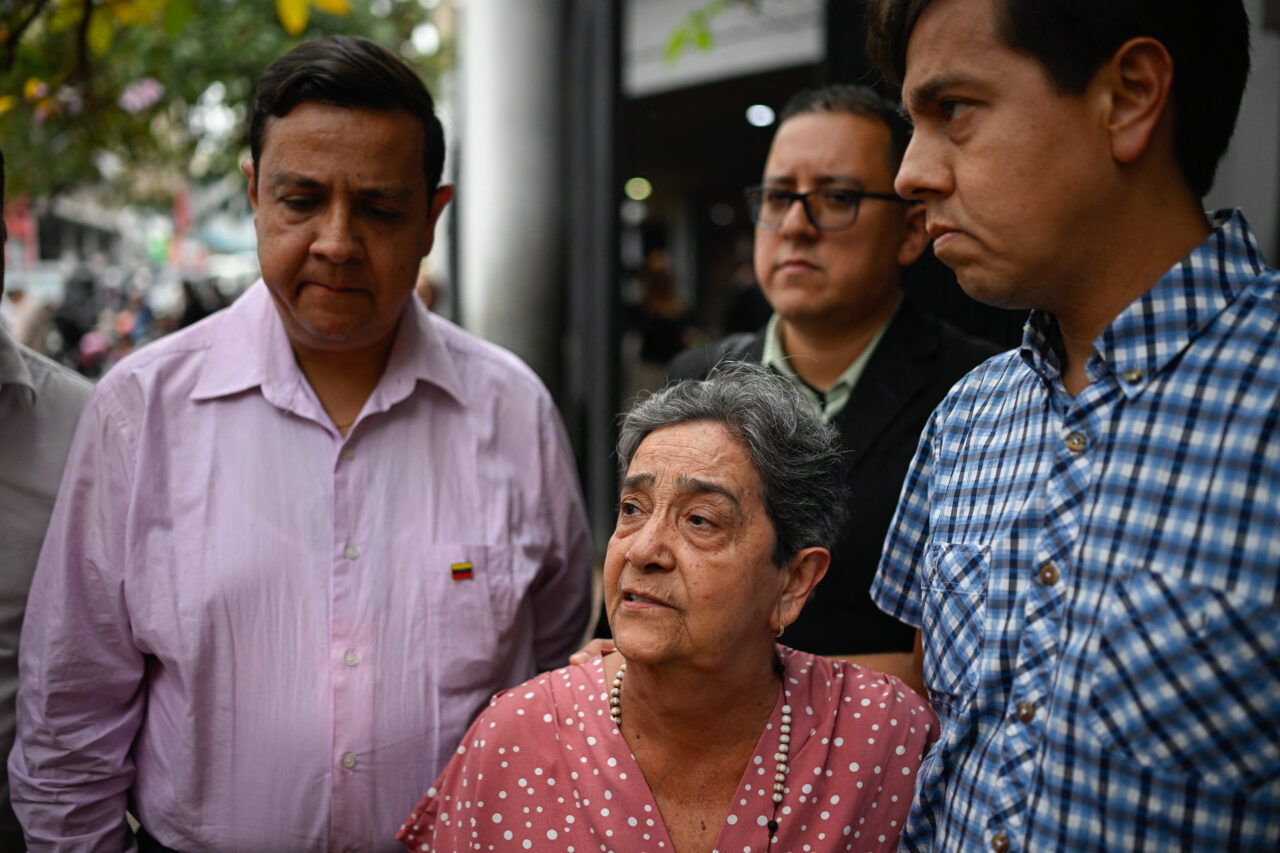
Venezuelan activist Javier Tarazona denounced, in conversation with AFP this Tuesday, that the beneficiaries of the amnesty law and their relatives are “revictimized.”
Tarazona referred to the new postponement of his trial.
The interim president, Delcy Rodríguez, promoted, under pressure from Washington, an Amnesty Law that anticipated the release of hundreds of political prisoners.
The amnesty came into effect on February 19, but it is not automatic, as it requires processing the benefit in court.
Tarazona was released with precautionary measures in February after almost five years in prison, but a court rejected his request for amnesty.
This Tuesday, the court summoned Tarazona and her mother Teresa Sánchez to continue the trial, but after five hours of waiting the hearing was postponed without further explanation.
“To what extent is the re-victimization of our families going to continue?” Tarazona questioned.
“My mother’s suffering is the suffering of millions of mothers who are suffering today because they have their children outside the country or thousands who have their children deprived of their liberty,” he told AFP after leaving the Palace of Justice in Caracas.
Tarazona, 43 years old, was one of the highest profiles among the thousand political prisoners counted by NGOs before the fall of Nicolás Maduro on January 3.
His trial never ended due to the constant postponement of hearings. He remained imprisoned for more than four years in the feared El Helicoide political prison, the subject of numerous complaints of torture according to human rights defenders.
He was accused of “terrorism”, “treason” and “incitement to hatred” after denouncing clashes between the Venezuelan military and Colombian guerrillas on the border of both countries.
His brother Rafael and his lawyer Omar de Dios García were also in those cells for four months.
“We aspire that there is undoubtedly justice, we aspire that there is no repetition of this type of events, we aspire that there is reparation for the victims and that the truth undoubtedly prevails,” Tarazona added.
Teresa Sánchez relived painful memories from the past five years during the long wait. “Isn’t all the experience still enough for you?” she asked through tears.
“They once again remove everything I have experienced these five years (…) I think it’s fine, have a little consideration,” he said.
Nearly 700 people have been released since Maduro’s capture, but the NGO Foro Penal denounces that almost 500 political prisoners remain behind bars.