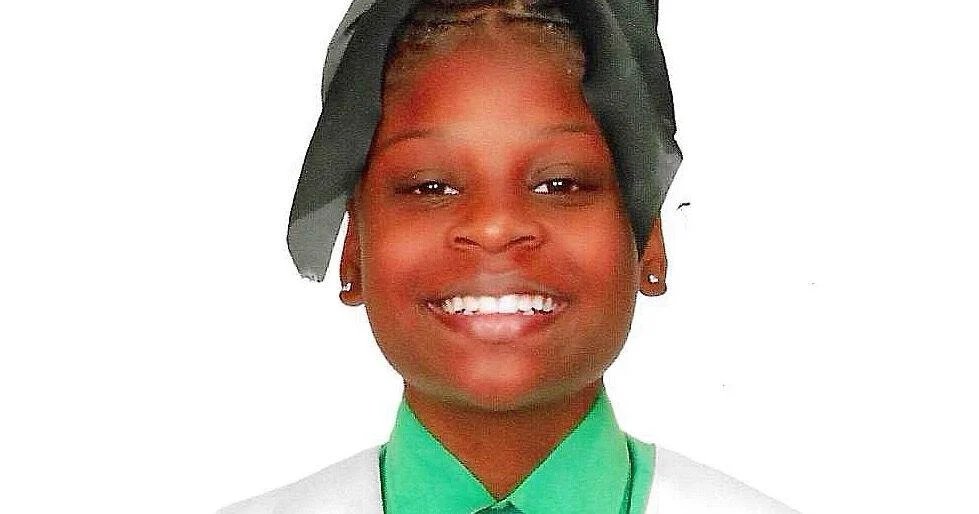
The best and brightest among graduating primary school graduates will share in $282,500 in scholarships and prizes, with the pre-teen that will be named the 30th Bahamas Primary School Student of the Year, earning an $8,000 award.
The Board of Directors of the Bahamas Primary School Student of the Year Foundation and the executive board of the Nassau, Bahamas Pan-Hellenic Council said 123 students will be recognized for their academic excellence, leadership, and commitment to service, in the 2026 program.
The first runner-up will receive $7,000. Four runners-up will be awarded $6,000 each. Three ranked finalists will receive $5,000 each. Four ranked finalists will receive $4,000 each. And one ranked finalist will receive $3,500. Another 23 ranked finalists will receive $3,000.
Twenty-seven finalists will receive $2,000 each; 30 finalists will be awarded $1,500 each; 21 semi-finalists will be awarded $1,000 each.
The annual award ceremony is scheduled for Saturday, May 23, at Bahamas Faith Ministries International, Carmichael Road.
Ricardo Deveaux, BPSSYF founder told The Nassau Guardian as the award program celebrates 30 years, that he never fully envisioned what the program would become three decades later.
“The ‘seed’ was planted in 1992, when I was a graduate student at Nova Southeastern University and was selected as one of the seven finalists in the Florida College Student of the Year Awards Program. That experience was transformative and inspired me to one day return home and create a similar platform for Bahamian students. That opportunity came in 1996, while I was serving as president of the Nassau, Bahamas Pan-Hellenic Council, when I formally presented the idea of a student of the year awards program. Through thoughtful discussion and guidance from four outstanding educators — Dr. Carolynn Hall Knowles, Ms. Sharon Poitier, Dr. Anastacia Brown, and Ms. Garnell Rolle — along with the support of the former minister of education, Dame Ivy Dumont, it was determined that the program’s focus should be on primary school students, where early encouragement could have the greatest long-term impact.”
Deveaux said the students who ultimately rise to the top consistently, share certain attributes.
“They are authentic leaders who have been actively engaged in their schools and communities long before they were ever nominated. Their service is not performed for recognition or in preparation for an award; rather it reflects a sustained commitment, genuine compassion, and a natural inclination to serve.
These students stand out because they demonstrate academic excellence, character, initiative, and community impact over time. The award, therefore, does not create who they are, it simply recognizes what they have already been doing.”
Over the decades, he said, he was privileged to witness the remarkable and impactful initiatives led by BPSSY nominees. He said while each student nominee has merit, there were a few that stood out to him because they were not only well-conceived, but sustained over time and continued to make a meaningful difference beyond the award program.
The student of the year award program, which celebrates talented sixth-grade students for their outstanding scholastic and extra-curricular achievements, was launched in 1997 with 31 graduating sixth-grade students, all from schools in New Providence, at the time.
Once student nomination packages were submitted to the foundation, Deveaux said an independent panel of judges reviewed all applications received and selected the overall winner and finalists.
Nominees are judged on the following criteria: contribution to school life; academic achievement; extra-curricular achievement; community involvement; and overall presentation of their submitted portfolio.
Deveaux said academic achievement alone does not guarantee placement in the Awards Program.
Each year, the founder encourages schools to begin identifying potential nominees early, and ideally, he said, from lower primary, and by the end of fifth-grade, have a clear sense of which student may represent the school. Deveaux said this approach would allow for sufficient time for meaningful development, rather than a last-minute rush to assemble a portfolio simply to meet a deadline.
In selecting a representative, schools he has said should look for well-rounded students who can confidently compete on a national stage. Strong nominees typically demonstrate consistent academic excellence from Grade 3, show leadership within their school and community, participate in community service and sporting activities, and most importantly, are authentically making a difference, not just preparing for an awards program.
“I would also encourage schools to reflect on the spirit of the program. When more than 100 of the nation’s best and brightest students are brought together, it is important to recognize that every nominee arrives equally qualified to be on that stage. Not winning the national title does not diminish a student’s excellence or potential. Both public and private schools should celebrate their nominees simply for being selected, as representation alone signifies that the child is outstanding and worthy of national recognition. The experience, exposure, and affirmation gained through participation are themselves powerful and lasting rewards.”
His advice to parents is to resist the urge to scramble at the last minute to create an initiative simply because their child had been nominated.
He said the program was never designed to reward short-term activity, but rather to recognize who the child already is.
“The strongest initiatives are those that grow naturally over time, reflect the child’s genuine interests, and demonstrate a sustained commitment to service. When an initiative is created hurriedly for the sake of a portfolio, it often lacks depth, continuity, and authenticity — and that is usually evident,” said Deveaux. “I encourage parents to focus instead on nurturing their child’s passions early, supporting meaningful involvement in school and community life, and allowing service and leadership to develop organically. If a child has been consistently engaged, there will already be a story to tell — no scrambling required. Ultimately, the award should not shape the child; the child’s character, service, and leadership should shape the award. Participation alone is an affirmation of excellence, and the experience should be viewed as a celebration of growth, not a last-minute competition.”
Since its establishment in 1997, the foundation has awarded approximately $3.3 million in scholarships and prizes and has recognized more than 3,200 of the best and brightest graduated primary school students throughout The Bahamas.