The canal administration and captains overcome years of tensions and reach a new labor agreement. Read what was agreed.
The Panama Canal sealed a new collective agreement with the Union of Captains and Deck Officers (UCOC) that establishes progressive salary increases until 2033.
The central axis of the agreement is a base salary increase of 3.5% annually, which will be applied consecutively between 2027 and 2033. This adjustment represents one of the most relevant economic commitments within the agreement and seeks to maintain the competitiveness of human resources in an operation considered strategic for global trade.
The news was published this Thursday, April 9 on the Panama Canal website.
Additional increases
What is called Special Additional Compensation and Pilotage Compensation were updated, with increases of 2% annually between 2029 and 2033 for workers in the Navigation Channels Maintenance Division.
More rest and less work friction
The agreement also introduces safety-oriented labor measures. Among them, the incorporation of a 14-hour rest period for tugboat captains who participate in high-risk or complex operations stands out, a provision that aims to reduce fatigue in critical tasks within the interoceanic waterway.
The channel administrator, Ricaurte Vásquez Morales, He described the signing as an agreement that reinforces the operational stability and continuity of the waterway service.
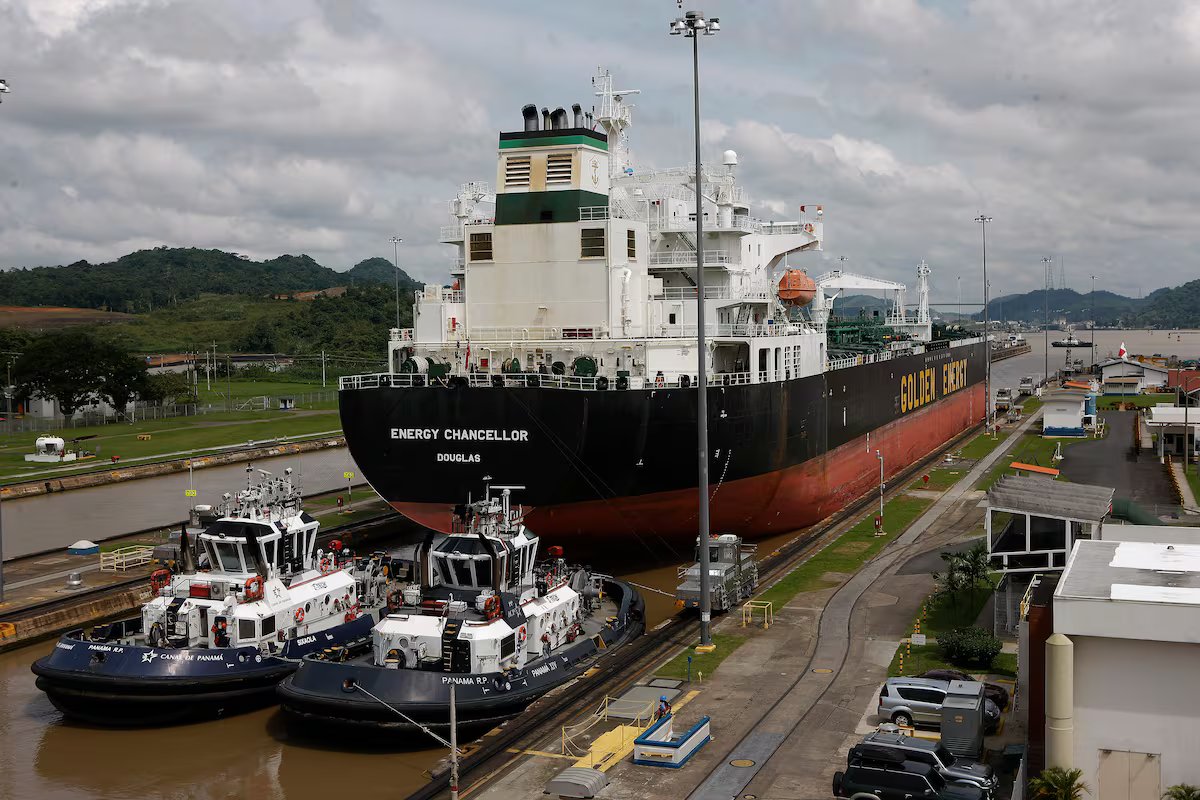
These workers are responsible for the operation of the tugboats and dredges during the transit of vessels.
With this new agreement, the relationship between the ACP and the captains shows signs of relaxation, after a recent period of friction.
This note may interest you: Court annuls collective agreement and creates a salary conflict between the ACP and the captains
The UCOC is made up of about 200 members: captains, deck officers and ACP workers.
With this new agreement, the relationship between the Panama Canal Authority and workers shows signs of relaxation, after recent years of tensions.
In 2024, the conflict intensified when the Supreme Court of Justice annulled the current collective agreement and ordered a new agreement to be negotiated.
Added to this are precedents such as 2018, when both parties maintained opposing versions about an incident at the Neopanamax locks.
Read this note:Differences between ACP and tugboat captains
At that time, the administration spoke of a traffic interruption, while the captains maintained that they acted to guarantee the safety of the road.