
There are phrases that make you uncomfortable because they force you to look in the mirror. In advertising It is said that every agency has the client it deserves. In politics, there is an equivalent, but equally acidic version: each country has the president it deserves. And it is not a moral or absolute statement, but it is a useful provocation to understand how certain relationships are built.
In advertising agencies, the constant complaint is usually: clients do not understand creativity, they change everything, they do not take risks, etc.
On the other hand, clients accuse agencies of promising more than they deliver. Both enter a vicious circle that only further deteriorates and erodes the relationship and the creative product. The truth is that agencies that give up and lower the creative bar attract clients who lower it even further. Instead, agencies that demand, filter and sustain a consistent and coherent vision end up working with brands and clients who value that.
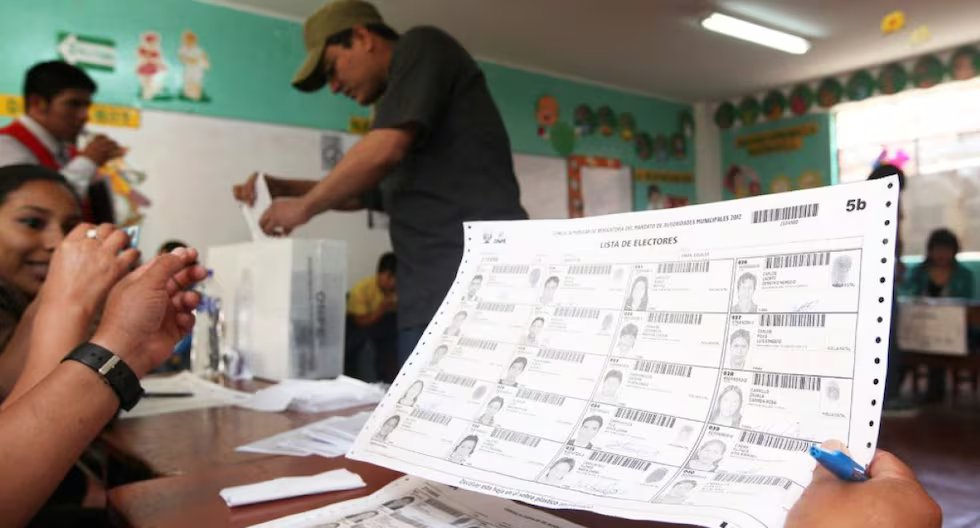
Something similar happens in politics, although more complex. Choosing is not only voting: it is informing yourself or not, questioning or repeating, demanding or resigning.
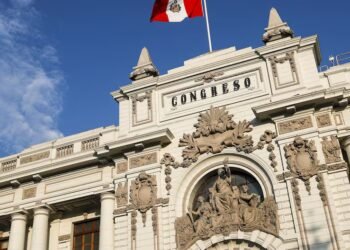
An electorate that prioritizes the short term gets short-term leaders. And boy have we had them: 8 presidents in the last 10 years… incredible!
What happens is that when one tolerates corruption as a “lesser evil” it will be difficult to be governed with the highest standards. And it is not fatalism, it is a cumulative consequence.
The uncomfortable point of all this is that in both cases there is co-responsibility. There is no single culprit. Bad campaigns are not just the fault of the client or the agency, but of the relationship. Bad governments are not only the responsibility of the leader, but also of the ecosystem that makes it possible: parties, institutions, media and citizens.
There is also a silent dynamic: the culture of concession. In advertising, great ideas are diluted by small renunciations. In politics, the same thing happens with the deterioration of public debate: the unacceptable is normalized, little by little. One more insult, one more lie, one more imitation, one more scandal, one more justification. And adaptation also works against it. Agencies get used to difficult and unfair clients. Citizens, to mediocre and corrupt governments.
This does not mean that all is lost. But it does imply that we take action. Raising the demands has a cost: inconveniencing, questioning and even losing customers. In politics, it means becoming more informed, participating and not settling for more of the same.
The phrase is not a condemnation, it is just a reminder: What we tolerate ends up defining us. And what we demand, too.
That’s why this Sunday let’s be responsible, let’s participate and vote informed to have the president that all Peruvians deserve.