He Congress 2026-2031 will be bicameral. This April 12, Peruvians will elect new deputies and senators for a period of five years.
He Congress 2026-2031 will be bicameral. This April 12, Peruvians will elect new deputies and senators for a period of five years.
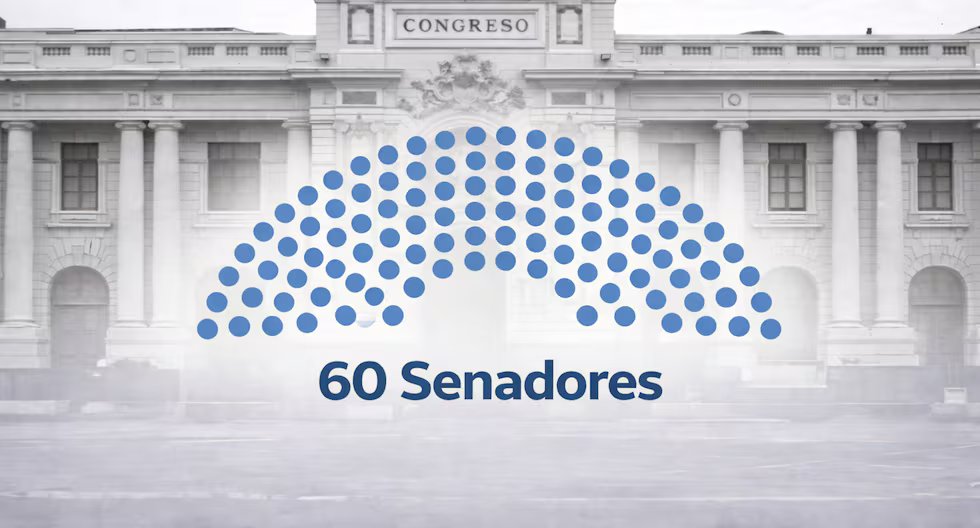
In total, the new Parliament will have 60 senators who will be known according to the results of the quick count by the Datum International pollster and will then be made official with the figures from the National Office of Electoral Processes (ONPE).
In this report you will be able to find out what the composition of the Senate would look like after the voting closes this Sunday.
The new composition of Congress will be defined by the distribution figure method according to the results that the ONPE. Political parties participating in the 2026 General Elections must overcome the so-called electoral fence to access seats in the new structure of senators (Upper House).
How is the Senate formed?
for the election of the 60 senatorsthe voting record will have two independent columns: one for the National Senate and another for the Multiple Senate (regions).
In the National Senate, 30 will be chosen by all the voters for a single constituency.
The other 30 of the Multiple Senatewill be elected in 27 electoral districts: each district will elect one senator, except Metropolitan Lima, which will elect four.

This is the way in which the senators of the 2026-2031 Congress will be elected.
What are the functions of senators?
Unlike deputies, senators do not have bills. The representatives of the Upper House may only ratify or reject the projects sent by the deputies.
One of the main characteristics of the Senate is that it cannot be dissolved by the President of the Republic.

These are the functions that senators will have for the new Congress 2026-2031.