The possibility of early withdrawal of funds from the Mandatory Pension Regime (ROP) It gained strength after four bills that would allow it under different conditions entered the legislative stream.
This generates doubts in different sectors of the population, especially in those who are close to retirement.
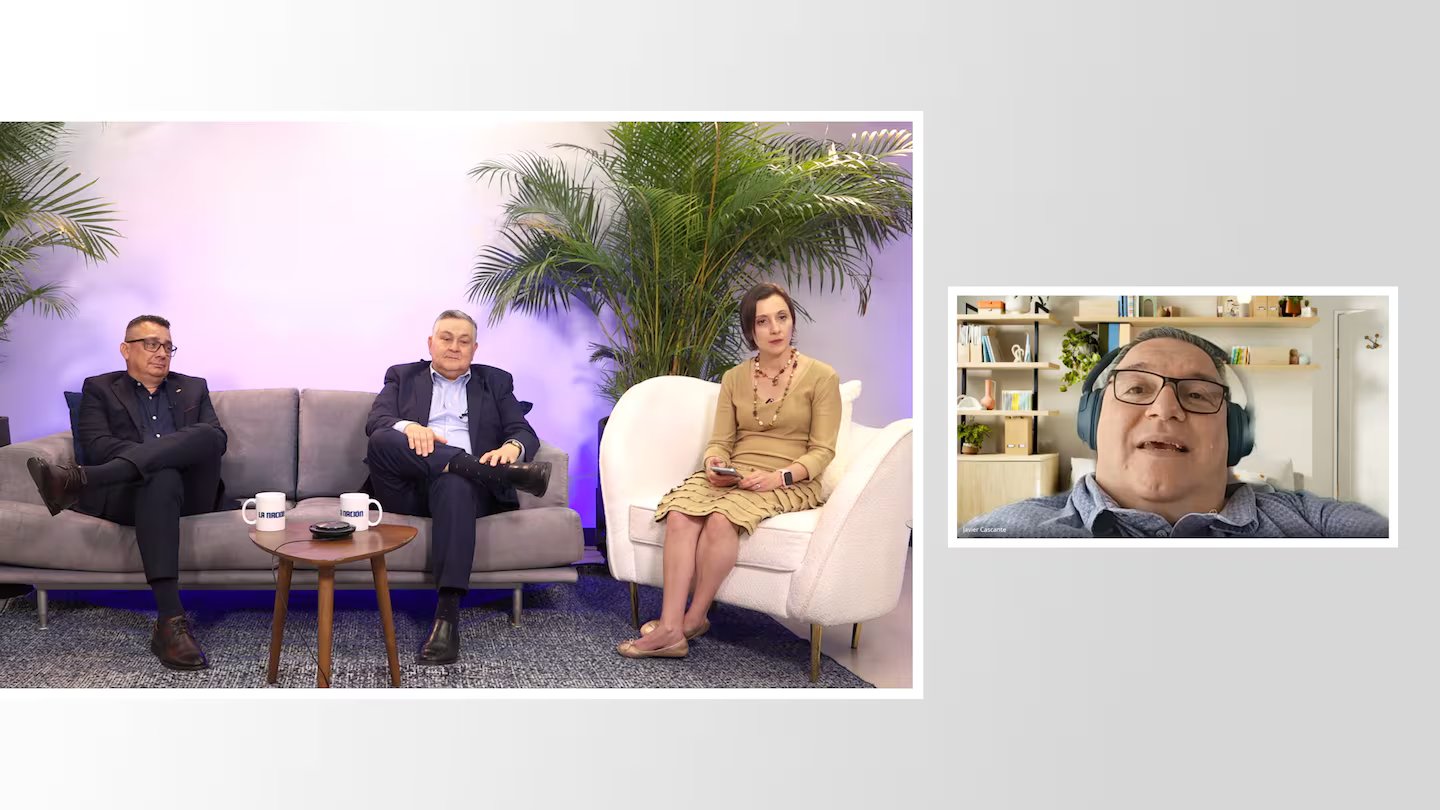
Aware of the importance of this topic, The Nation held a virtual forum that was broadcast on April 9 on its YouTube channel.
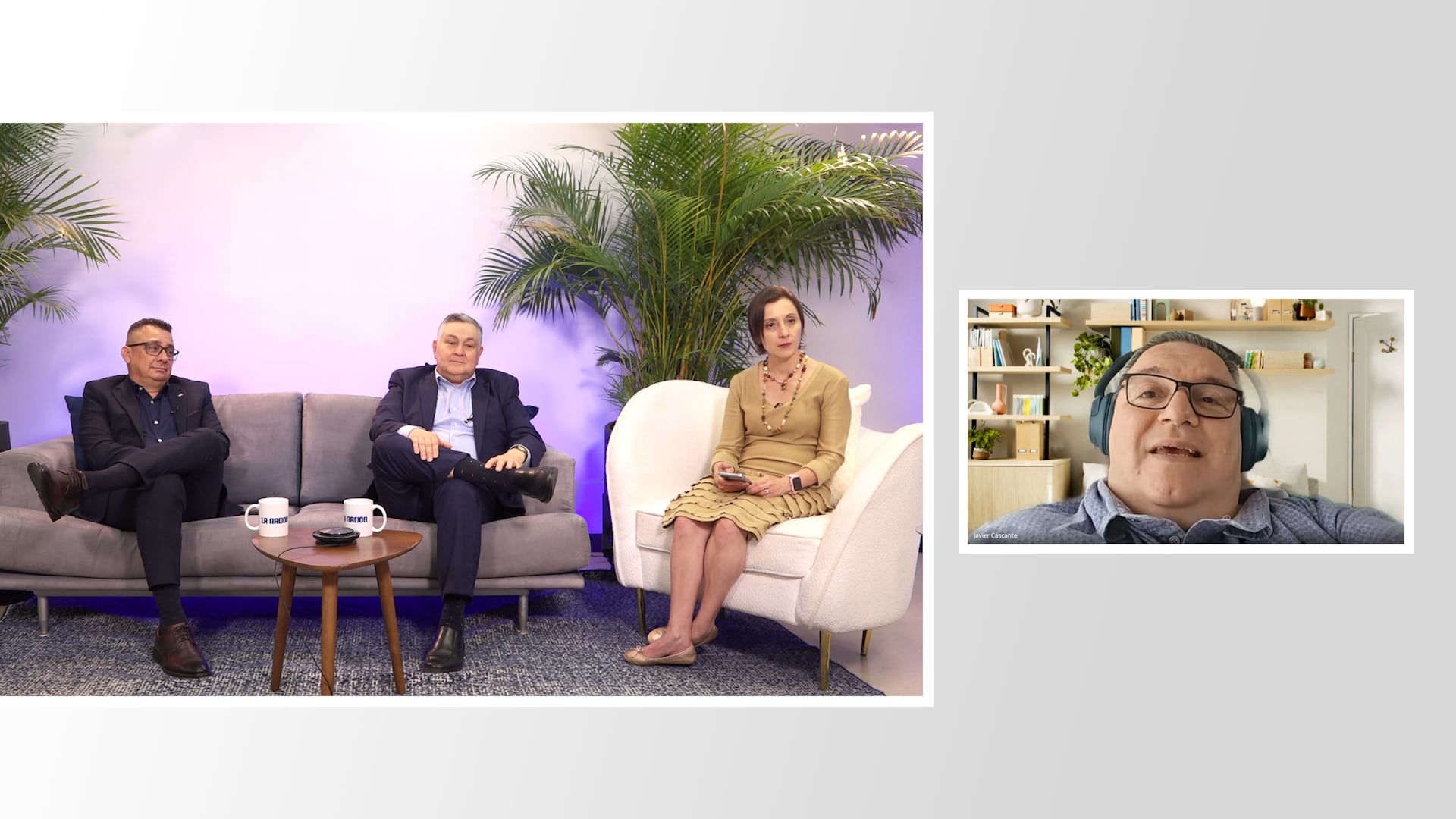
The following participated in this forum:
Roger Porras Morageneral manager of Popular Pensiones
Hector Maggi Contegeneral manager of the Pension Operator of the Costa Rican Social Security Fund (OPC-CCSS)
AND Javier Cascante Elizondoformer pension superintendent, who joined virtually.
You can review the entire forum here:
What is ROP and why is it important?
Porras defined the ROP as the “largest pension reform that Costa Rica has had in the last 25 years.”
He stated that he was born from the Worker Protection Law. It arose from seeing how, since then, the country was facing an aging population and it was seen that traditional regimes, such as the Disability, Old Age and Death (IVM) regime, would not be sufficient for a pension that would satisfy the needs during old age.
“It is created as a complementary regime so that people have additional income that allows them to have more resources to face old age,” he highlighted in the forum.
Maggi added that as we age, the IVM will become a very basic pension and the ROP will be what allows people to support themselves in old age.
“Today the IVM still generates relatively acceptable pensions, but as the aging population and the decline in the birth rate result in fewer people contributing, that system will pay lower pensions and the ROP will become more important,” he noted.
Porras pointed out that at this moment the ROP already constitutes 20% of that complementarity. “If the CCSS pension is ¢400,000, the ROP is contributing another ¢100,000.”
Cascante said that it is in old age where more health and functionality problems can arise, which is why this complementary income is required to have a higher quality of life when there are greater needs.
For analysts, the possible retirement of the ROP has become attractive because some people see it as an outlet to meet different needs, and lose sight of what they might need in old age.
Cascante indicated that in very specific cases of poverty or health, such as serious or terminal illnesses, early retirement is recommended and the law already stipulates these cases. He added that no one disputes that this money belongs to each person, but that withdrawing it early without compelling justification would be harmful.
“In other countries, those who withdrew the funds have found themselves in greater conditions of poverty and defenselessness,” highlighted the analyst.
The sustainability of the funds

Maggi pointed out that operators would not be able to support a large number of people withdrawing their funds at the same time.
“We operators do not have the capacity to assume that loss because they would have to transfer the losses to the four that belong to the State, and therefore to the State. There is no way to assume that,” he asserted.
Cascante added that it would be the people who remain in the regime who would be facing the consequences and handicaps coming from those who decide to retire early.
“The people who remain would also have a smaller amount of money when they already access it,” Porras said.
The use of ROP funds
Those who talk about early retirement say that this way they will be able to cancel their debts. The three panelists agreed that Costa Rica is a highly indebted country, but that the debts must have another solution.
Furthermore, even if the funds belong to each person, their use could take its toll later.
Maggi highlighted “those funds at 65 years old are useful for people to walk, but at 85 they are useful for buying diapers, pills and having a better quality of life.”
The bills
These are the two bills being discussed by the Legislative Assembly:
24,984: proposes to reform article 22 of the Worker Protection Law to say that when the replacement rate granted by the IVM pension or the regimes of the National Judiciary and Teachers is greater than 52.5% of the reference salary, the retiree can remove all ROP and their returns within a maximum period of six months.
In addition, it would establish scheduled withdrawals in various installments over 24, 36, 60, 120 or 180 months until the fund is exhausted.
The deputy Gilberth Jimenez He pointed out that, although he recognizes the original intention that the ROP is a complement to the basic pension, he considers that the conditions of the country have changed and that the fund could be used to allow a “minority group” to access opportunities such as paying debts or having a higher quality of life. He disqualified that there was going to be a mass exit.
24,972: proposes to reform transitional XX of the Worker Protection Law so that it reads that ROP members who retire between January 1, 2021 and December 31, 2029 can withdraw the funds accumulated in their individual accounts through temporary income for 24 months, until the fund is exhausted.
Representative Rocío Alfaro, proponent of the initiative, maintained that The ROP does not respond to a solidarity logic like the IVMbut to individual savings. For this reason, he considers that he should not be forced to receive it only as a prolonged monthly income, since it is a finite capital.
He defended that his project would allow access to these resources within a period of two years, as a “short-term cushion” to pay off debts.
Clarify doubts
In the forum, the panelists indicated that people can approach their operator to resolve any questions. They also recommended starting with voluntary pension savings, as it will help to further alleviate the needs of older adulthood.