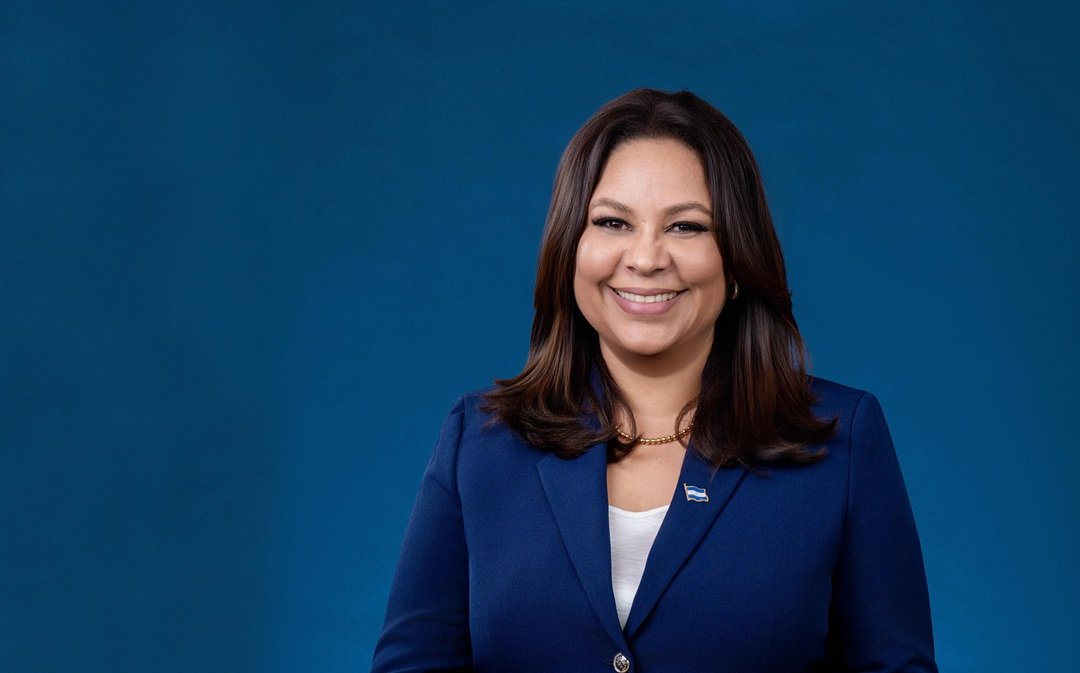
In Miami, Florida, where the Nicaraguan community grows and gains presence every year, Nicaraguan Yezzenia Watler found her purpose: to be a “guide” so that new Nicaraguan migrants in the so-called “magical city” do not have to start “alone, from scratch and without information,” as she had to.
Originally from Managua, Watler came to the United States more than twenty years ago. His plan was not to stay. She was living in London, where she was studying, when her mother went through a personal crisis that required financial help. As a student, I could not work in England. Miami was the solution.
“I had to come to the United States to start working, to be able to help my mother,” he says. What was going to be temporary became forever.
Upon arrival, reality was harsh. Without a network of contacts and with university degrees that, at the time, “seemed worthless” on American soil, the young woman took the jobs she found.
“I had three jobs at the beginning. I worked in a supermarket stabbing“I also had a job in an office where I would translate documents from English to Spanish because no one spoke that language, and at night I would clean the offices of some lawyers in Downtown,” recalls the Nicaraguan.
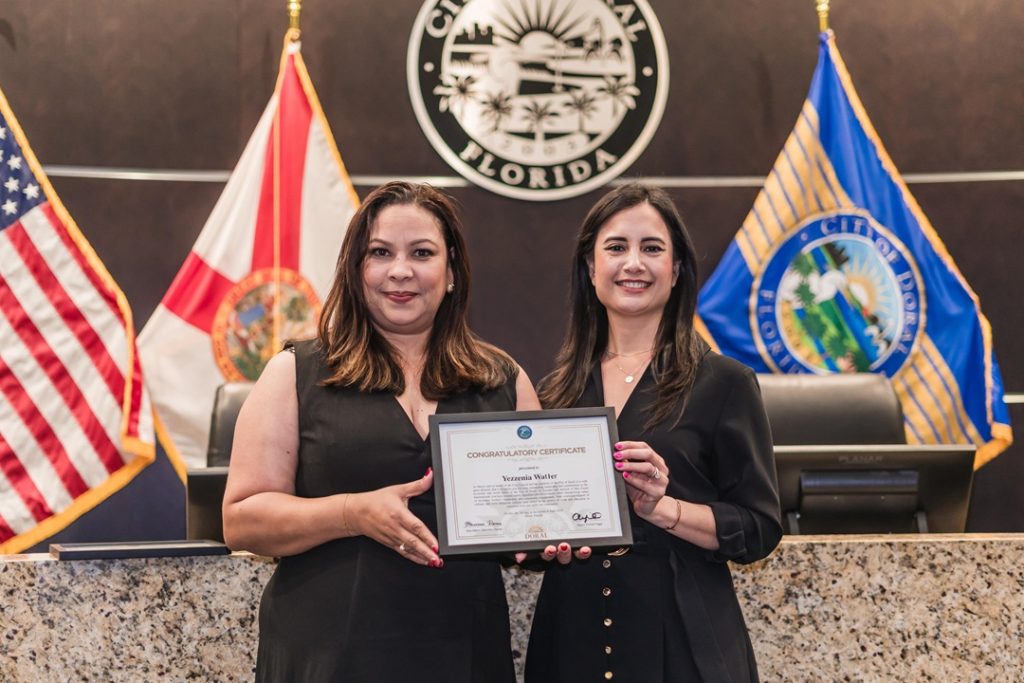
The night that changed everything
It was in those law offices where Yezzenia Watler’s luck changed. A lawyer named Miriam heard her speak and was surprised. He asked him if he had studied at university; The Nicaraguan woman regretfully told him “yes,” but that “it was of no use to her,” because her degrees “were not worth anything in the United States.”
The lawyer explained to him that his university degrees in Political Science and International Relations could be revalidated in the United States, and gave him the contact of the institution that did so.
The next day, young Yezzenia Watler took the day off, brought her documents, had them “validated” and began looking for jobs in foreign trade, her specialty.
“At that exact moment, my mentality changed completely. I realized that the information she was providing me was super important,” he highlights.
“If she hadn’t told me, I would never have realized. There are many Nicaraguans who don’t have information,” he comments.
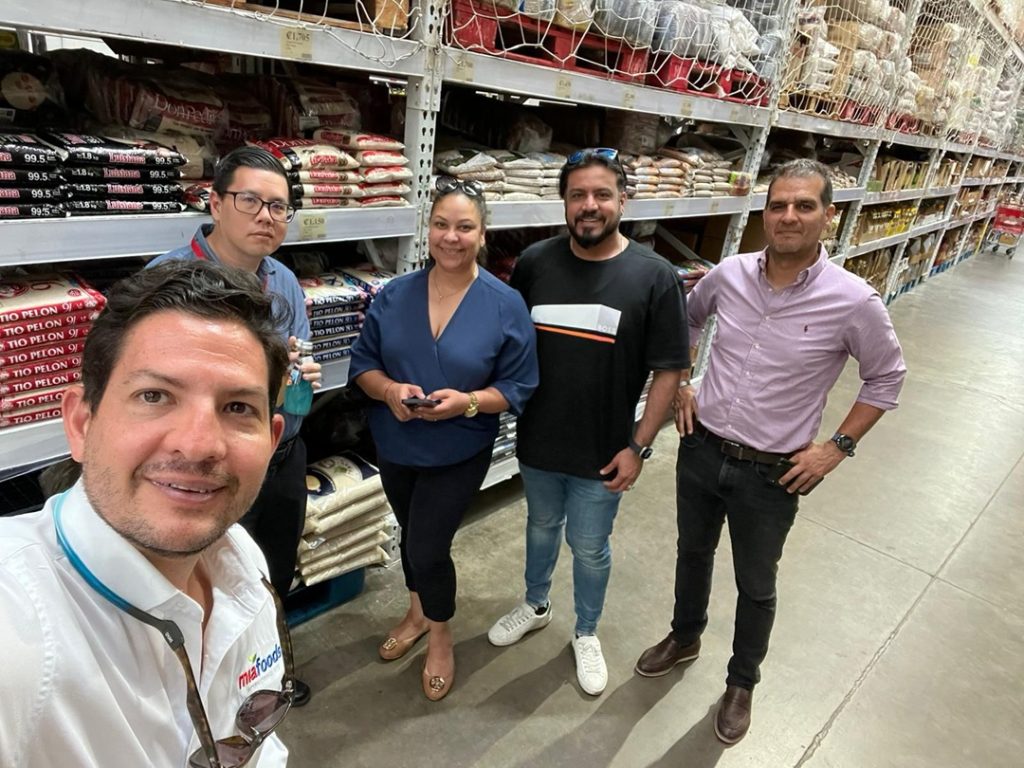
“MIA Food International”: a company born in a pandemic
Over time, Yezzenia Watler rose in the world of foreign trade. He went through several companies in the sector until he arrived at “Global Foods”, where he managed exports for luxury hotels, restaurants and cruise ships such as Royal Caribbean.
During the covid-19 pandemic, in 2020, the Nicaraguan was left without work due to the mandatory closures of businesses in the United States.
Her husband gave her a push. “He told me: ‘You have to figure out how to make your own company,’” he says. With five hundred dollars and the client base he already had, he founded “MIA Food International.”
Today, the company has more than 2,000 items in its catalog—canned goods, cereals, refrigerated meats and dry goods—and exports to distributors and supermarket chains in Latin America. Their team of twenty people is distributed between Nicaragua, El Salvador and Costa Rica.
“When you start a business here they don’t give you money. The banks don’t lend to your company because it doesn’t have a credit history. The only thing was ingenuity,” he emphasizes. The Nicaraguan’s solution was to ask clients for advance payments, until she could build her history to apply for bank loans.
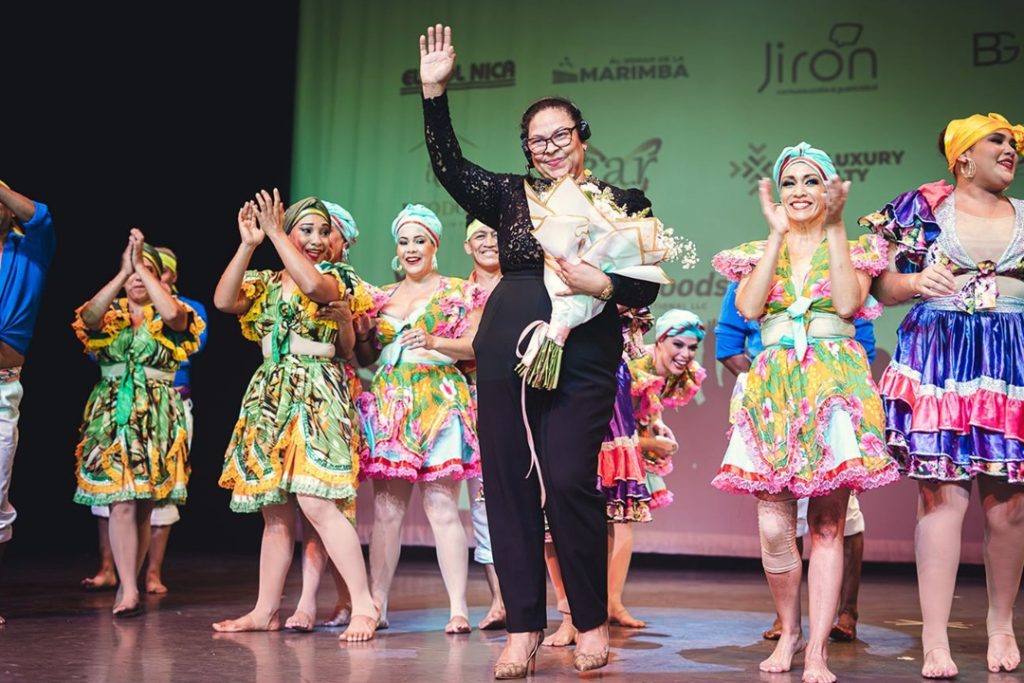
The artistic side of Yezzenia Watler
Parallel to the business world, Watler has spent years building something closer to his heart: the Ballet Folklorico Azul. He founded it when he arrived in Miami, because “Nicaraguan culture was almost invisible in the city.”
“At that time there was not so much fritanga, there was not so much Nicaraguan culture, nor so much Nicaraguan immigration and Nicaraguan culture was super muted. We did not have dances, folk groups or marimberos like now, you come to Miami and there is everything,” he remembers.
Together with three friends she founded the group, which operates as a non-profit organization. Through ballet, Yezzenia Watler organizes activities to raise funds for charitable causes in Nicaragua and the United States. “It is a corporation that I run out of passion,” he says.
In addition to holding fundraising events and galas, the Nicaraguan, along with her actor husband, founded the promoter “Miramar’s Arts” to seek financing for artistic projects.
In two years, the company has produced around seven audiovisual projects, including university short films and independent productions.
“They communicate with us and tell us, look: I have this film, I have this project for the theater. We see if it makes sense, we look for financing and we move to be able to produce it,” explains Watler. Among the supported artists are Philip Montalbán, Alberto Lara of Sueños Sin Límites, and among others.
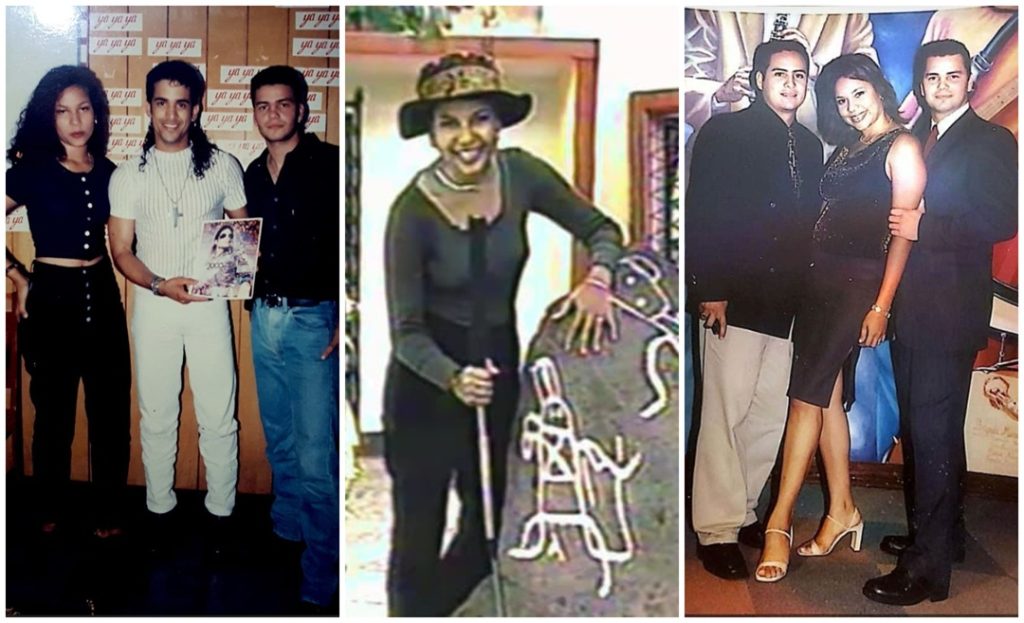
A career that began in front of the cameras
His personality, the ease with which he speaks, negotiates and leads today, was acquired after many years of working in television. Yezzenia Watler spent almost two decades in front of television cameras in Nicaragua.
At the age of 15, without having planned it, she auditioned for a program called Generation 2000—her friend was the one who auditioned—and was selected.
“You spend 15 years working on television, doing live shows, doing constant interviews. I think you loosen up and your mind feeds on those experiences,” he reflects.
The program was the first nationally broadcast youth program in Nicaragua and also reached audiences in Costa Rica.
The new project of the Nicaraguan
The most recent project in which the Nicaraguan participates is the creation of the Nicaraguan Chamber of Culture and Commerce in the United States, of which Yezzenia Watler was elected president.
Its co-founders are the lawyers Noelia Ramos, Isidoro López, Carla López Fernández and Adriana Paniagua. The communications director is Cristyana Somarriba. The organization will have its official launch in June 2026, although it already has about 200 entrepreneurs and business owners registered.
“We saw a cemetery of chambers of commerce, and no help to the community. Everyone spends their time talking and taking photos and giving awards, but no one creates a system to come here, create your company, to give you the support you need,” he explains.
The camera also aims to be global. Any Nicaraguan in the world—from Spain to Costa Rica—can participate. “As long as there is a Nicaraguan who wants to access information, receive help, and guide them, we will be open to them,” he says.
What this chamber aims to do is provide “accompaniment”: from the entrepreneur who barely has an idea to the businessman who wants to scale his business. “The idea is to serve our community. It is not to help, it is to serve. They are two different words. Serving you is: whenever you need me, I am here,” says Yezzenia Watler.