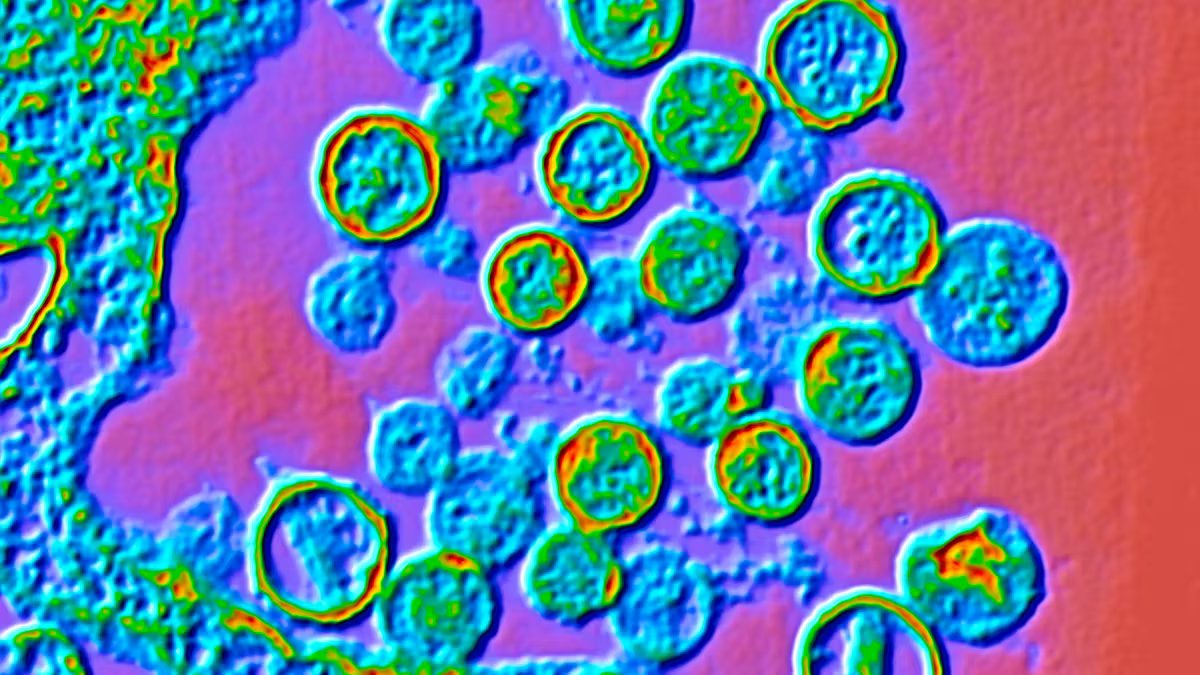
- After the hantavirus outbreak on a cruise ship became known, more and more details about the Andes virus responsible are becoming known.
- In Argentina, Andes virus cases have roughly doubled since June 2025 compared to the previous year.
- Experts suspect that the increase in cases is due to climate change and more contact between people and infected rodents.
Even days after the hantavirus outbreak on the MV Hondius became known, it is still not clear where patient zero became infected. It could have happened while bird watching in Ushuaia. But also in the Patagonian Andes, which the Dutch couple visited before their cruise ship trip. In the region Infections with the Andes virus occur again and again (ANDV), which is one of the hantaviruses. And it was there in the 1990s that it was first recognized that ANDV can be transmitted directly from person to person.
The first death was almost a month ago
Hantavirus cases have increased significantly
But while the search for clues is underway, one thing is clear: the chances of becoming infected with the Andes virus in Argentina are increasing. On Tuesday, the Argentine Ministry of Health reported 101 hantavirus infections since June 2025. This corresponds to around twice the number of cases in the same period last year. 32 of them were fatal. This year alone, 41 cases were registered, writes Lavanguardia.com.
The ANDV can do that Hantavirus cardiopulmonary syndrome (HCPS), sometimes also called Hantavirus pulmonary syndrome (HPS).trigger.
This is why HCPS is so deadly
In addition, the Andes infections are occurring in more places than before. While it used to only occur in the southern reaches of Patagonia, 83 percent of cases now occur in the extreme north of Argentina. This is what the AP news agency writes, citing the Argentine Ministry of Health.
Spread and increase in cases: Has the virus mutated?
There is currently no reliable evidence of this, explains virologist Jonas Schmidt-Chanasit to 20 Minutes. “The fact that there are several cases does not automatically mean that the virus has mutated or become more contagious.” Other experts are currently not assuming this either. You have another suspicion. The increase in cases could have something to do with climate change. The South American country has experienced a number of extreme weather events in recent years that are attributed to this. For example, a historic drought, but also heavy rains.
Do you think the outbreak will be contained soon?
This is what climate change has to do with the virus
Drought and wet conditions are ideal conditions for the spread of the rice rat, which is considered to be a carrier of the Andes virus (see the following photo series): “As rainfall increases, the food supply also increases, rodent populations grow, and if there are infected rodents, the probability of transmission between rodents – and ultimately to humans” also increases,” the AP quotes Raúl González Ittig from the National University of Córdoba and researcher at the state science institute Conicet. This is also because phases of extreme drought drive the animals out of their usual habitats bring them closer to the people. This also increases the risk that the virus will pass to humans.
Nevertheless, experts do not currently believe that given the developments A new pandemic is imminent on the MV Hondius.
There are also hantaviruses in our latitudes. However, infections with these are far less fatal.
Subscribe to Knowledge Channel notifications in the 20-minute app. You will be informed about groundbreaking research findings and discoveries, explanations of current events and curious news from the wide world of science. You will also receive answers to everyday questions and tips for a better life.
This is how it works: Install the latest version of the 20 Minutes app. Tap on “Profile” at the bottom, then on the “Settings” gear and finally on “Push notifications”. Select the topics you want here.

Fee Anabelle Riebeling (fee) has been working for 20 minutes since 2014. She is deputy. Head of Knowledge, History & Digital and Head of the Fact Check & Verification expert committee.