The future of the global economy is affected by ongoing wars. Even if the Strait of Hormuz is opened, the pre-war situation will not be restored. Oil-based products have become more expensive across all sectors. As a result of the deficit, inflation is accelerating, and to curb it, central banks are raising interest rates. All these signs point to continued economic contraction, not growth.
The report has made a much-needed opening for different political forces to present their positions, even on radical changes that Estonia currently needs.
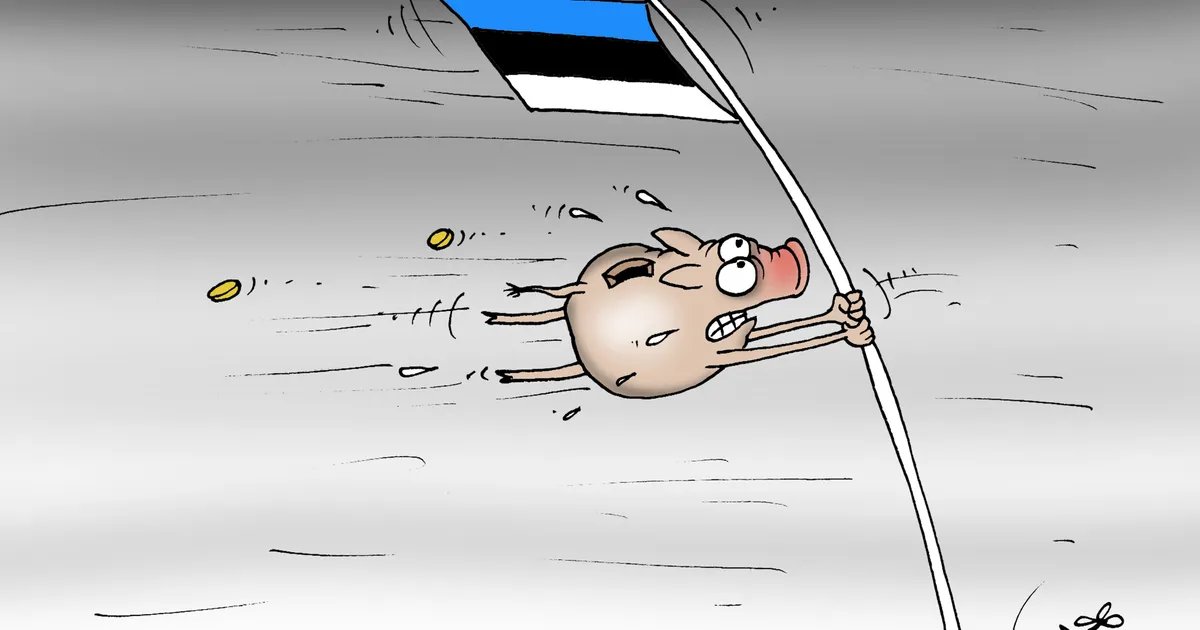
The report also presents a series of policy recommendations. These are not set in stone, but proposals to be critically analyzed and compared with alternatives. The most important thing is to put the state’s finances in order, which can be done using two levers: reducing state spending and/or increasing the tax burden. Estonia’s administrative costs are not very large, but some savings can be made. The tax system is simple, but unsuitable for the changed economic situation.
Compared to the European Union, we have high labor taxes, but very low property taxes. This is a clear choice point, as is progressive income tax and corporate income tax. The report recommends temporarily halting pension indexation. The minimum wage could be differentiated between Tallinn and the rest of Estonia. Given EU support, Estonia should be divided into two development regions to prioritize rural areas.
What is commendable about the Põhimõtte Koda report is that the policy recommendations are based on the needs of Estonia as a whole, without embellishing the situation or hiding painful solutions. The report has made a much-needed opening for different political forces to present their positions on the radical changes that Estonia currently requires.
This provides an opportunity for a public debate on Estonia’s future that does not avoid politically painful issues, but addresses things as they really are.