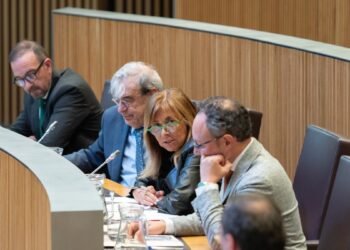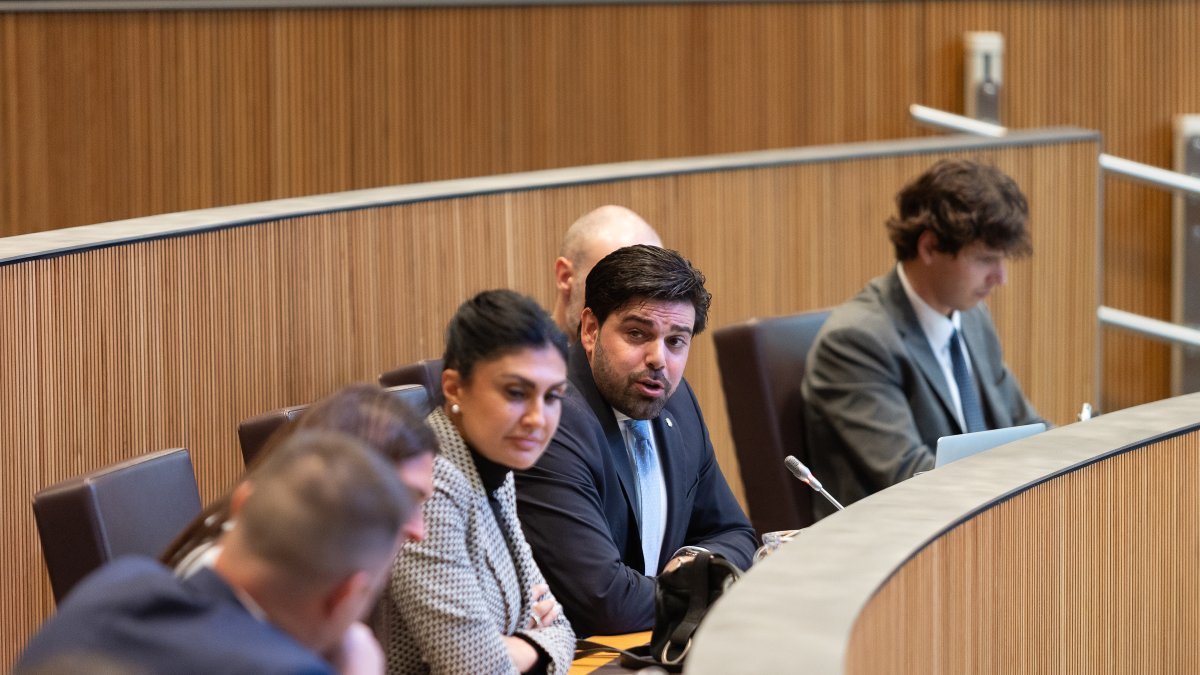

The General Council has approved today the modification of the qualified law of nationality with the favorable votes of the majority and Andorra Go aheadwhile the P.S i concord they voted against it. The reform introduces changes in the residency requirements, schooling and background penalties to access the Andorran nationality.
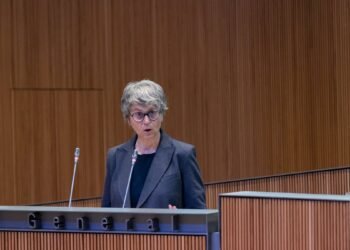
The minister of Justice and Interior, Ester Molnéhas defended that Andorra must maintain more demanding criteria for obtaining citizenship than other larger countries. As he explained, one of the main novelties is that the required 20 years of residence will no longer have to be consecutiveso that interrupted periods can be added. “Someone who has reached 20 years is integrated even if they have not been followed”, he said.
The reform also modifies the requirements linked to schooling. Until now it was required to have completed the course compulsory schooling in the country in its entiretywhile with the new text it will be necessary to accredit 10 school yearswithout the need for them to be mandatory. In addition, the severity of the convictions that prevent obtaining nationality is reduced and the A1 level language requirement of Catalan for residents of one year il‘A2 for three-year-olds.
Molné has assured that the objective is to establish “reasonable requirements” and adapt the legislation to situations that the ministry detected as inequitable. The minister also thanked the support of Democrats i Andorra Go ahead and he remarked that, despite the differences, all groups share the will to preserve integration in the country.
fromAndorra Go ahead, Marc Monteagudo has defended that obtaining nationality “must require effort and integrity” and has explained that his group had submitted amendments to make the law more restrictive and strengthen its guarantees. Despite admitting that his proposals “went much further”, he stated that the final text “improves the current reality” and, for consistency, the party voted in favor of it. Highlander has also claimed that AE has always defended the “national priority”.
Conversely, the president of the Social Democratic parliamentary group, Susanna Velahas strongly criticized the reform. As he has stated, the Government of Andorra initially presented a text to correct “dysfunctions”, but during processing “the box of thrones was opened”. The P.Swhich defends dual nationality under certain conditionshad proposed reduce to 10 years the necessary period of residence, provided that the person had maintained effective residence a Andorra during the last five years.
sailing has warned of the risk that “the rise of nationalism is not a passing fad” and has defended the need to “rethink the bases of coexistence”. He also regretted that the debate was not used to address the issue of dual nationality with bilateral agreements, as other countries do. The councilor has cited recommendations from Council of Europe who are betting on facilitating access to nationality.
from concord, Jordi Casadevall has justified the opposing vote because he considers that the reform “moves away from the spirit of integration that characterizes the country”. As he explained, the new text reinforces a “more formalistic” view of settling and does not take enough into account the real conditions of the residents.
Casadevall has particularly criticized some amendments pushed by Andorra aheadsuch as the tightening of requirements linked to parents or the commitment to criteria based on blood ties. Despite recognizing the need to update the legislation, he affirmed that the path chosen “is not the right one” and defended that Andorra it should continue to be “a country that integrates”.
The text has ended up being approved with 19 votes in favor and 8 againstwithout abstentions.