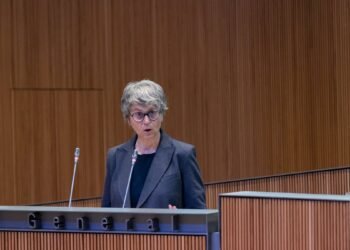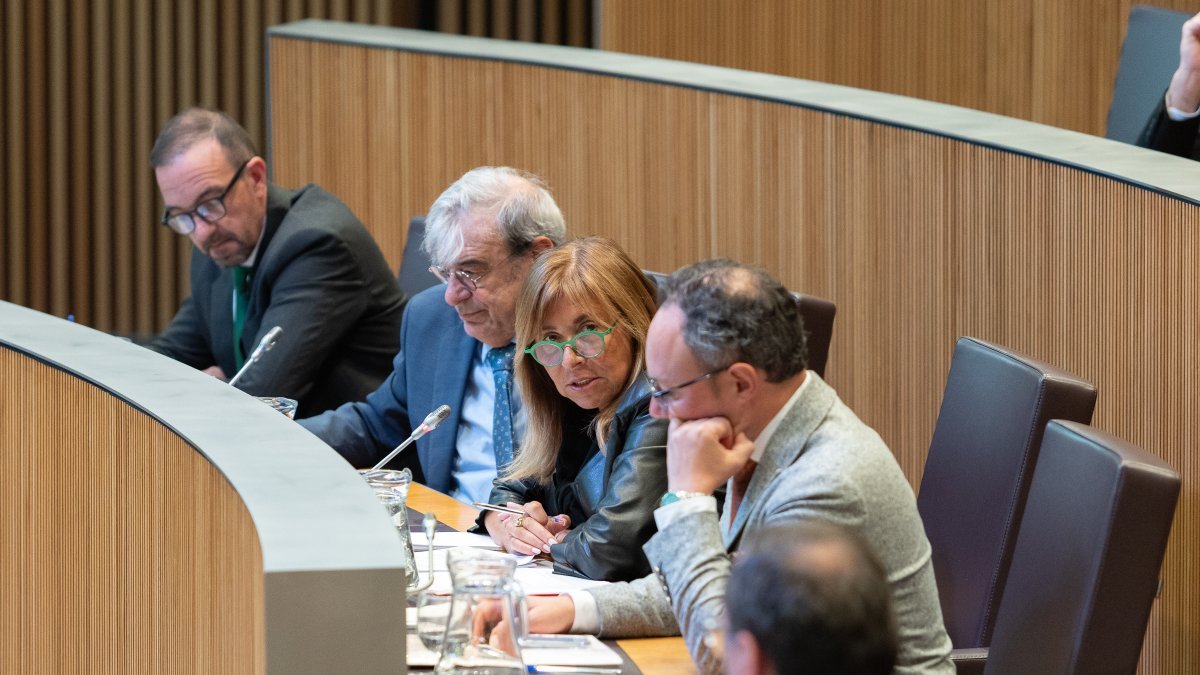
The minister of Presidency, Economy, Work and Housing, Conxita Marsolhas made it clear in the General Council that the coliving will not be the structural response to the housing crisisbut one complementary tool within the set of public policies in this matter.
marsol has stressed that the strategy of Government ofAndorra passes by “increasing the public housing stock, mobilizing empty flats, limiting tourist apartments and facilitating the rehabilitation of properties”, among other measures, with the aim of strengthen the ordinary rental market and ensure more affordable supply.
However, the minister has defended that the coliving is a “legitimate and dignified” modality which is already consolidated in other countries and which responds to diverse profiles, such as emancipated young people, students, temporary professionals, newcomers or elderly people who seek to live in community and reduce loneliness.
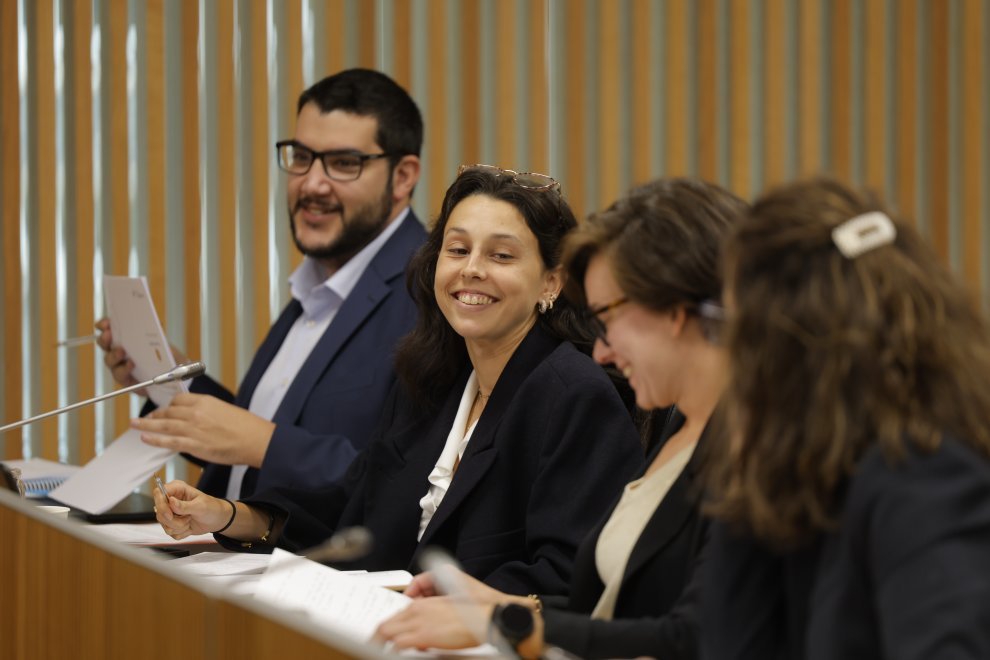
In this sense, marsol has remarked that this model can contribute to offering more residential flexibility and adapt to specific needsbut insisted that “it cannot replace ordinary housing or be the answer for families”.
At the same time, the minister has confirmed that the Government is working on the regulation that will develop the digital economy lawwhich will have to establish the conditions of shared spaces, the minimum requirements and the regulation of coliving homes in the country.
The parliamentary debate has also put other visions on the table. from Concordia and Andorra Forwardseveral groups have agreed to consider the coliving as a complementary solutionespecially for temporary workers and specific groups, while they have asked for concreteness on its deployment and possible projects associated with public investment in housing.
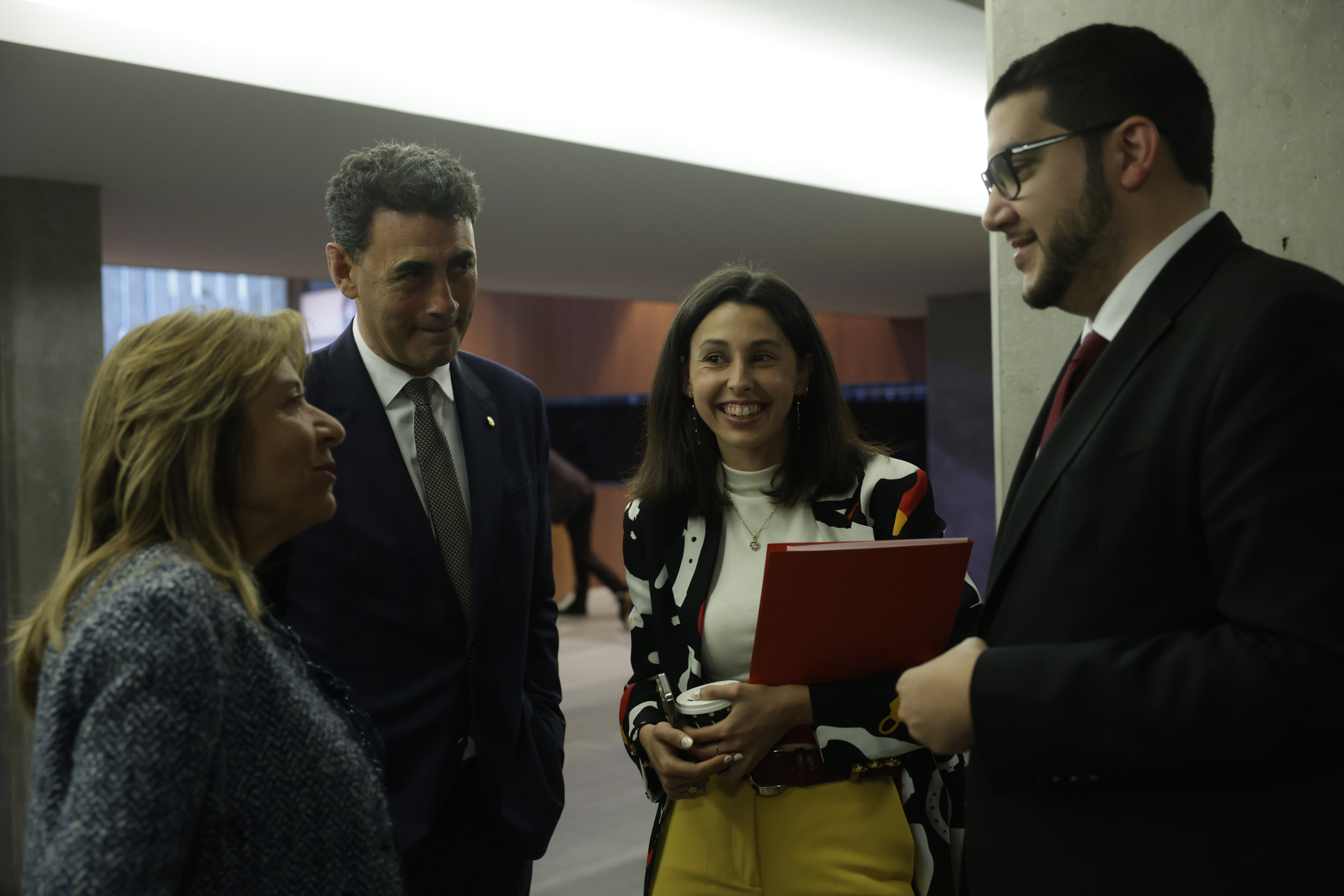
from concordthe president of the parliamentary group, Cerni Escaléhas defended the coliving as a tool of interest in terms of space and cost efficiencyespecially for specific groups such as young people, elderly people, newcomers or temporary workers. However, he has warned that it cannot become a structural solution to the housing crisis.
Escalade he remarked that “coliving should not be a more economical solution that alleviates the underlying problem” and insisted that it must remain as a “complementary” measure. He also asked the Government of Andorra if a part of 35 million euros of the supplementary credit that was approved this Thursday planned for housing will be allocated to this model and what is the planning planned for its deployment.
In response, marsol has clarified that co-living “is rather an option that individuals can make” and that it is not part of the central concept of housing that drives the Government. Nevertheless, the minister has opened the door to one-off co-housing projects, such as the model developed in Sant Julià de Lòria for the elderly He explained that, if any project that arrives “has a structure that allows this type of system to be made, then why not”, he explained marsol.
For her part, the president of the group ofAndorra Go ahead, Carine Montanerhas championed co-living as a formula for housing temporary workers and easing pressure on the residential rental market.
However, Highlander has proposed converting low-category hotels into co-living spaces with tax incentives for the private sector, with the aim of the flats being reserved for year-round residents. He also warned that too rigid a regulation could hinder the development of this model and asked the executive to work on a “realistic and flexible” regulation.