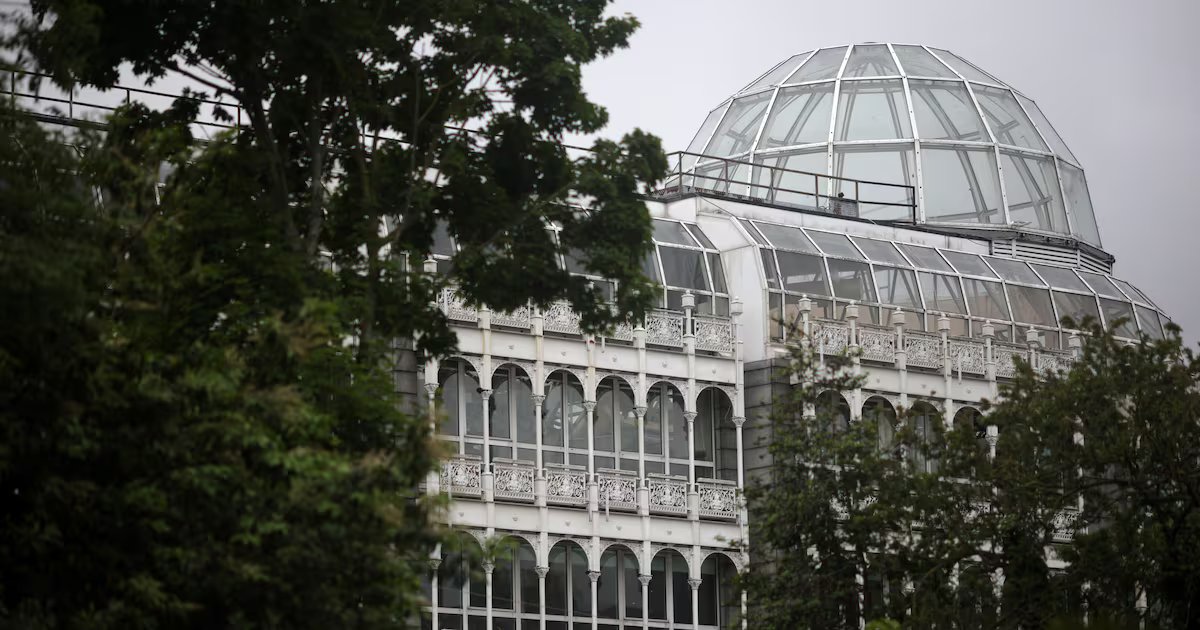
The design of the proposed €100 million redevelopment of Stephen’s Green Shopping Centre “has gone out of its way to erase the building’s character which is much-loved by Dubliners”, according to a fresh appeal lodged with An Coimisiún Pleanála by the Save Stephen’s Green campaign which has been backed by 24,000 signatures in an online petition.
It is the second appeal lodged against the Dublin City Council decision last month grant planning permission to DTDL Ltd for the redevelopment scheme. Athlone man, Oliver Donoghue lodged a third party appeal last week.
In the Save Stephen’s Green Campaign appeal, Yusuf Alraqi has told An Coimisiún Pleanala that “the proposed design for the redevelopment of the site not only shows no interest in preserving this character, but it has gone out of its way to erase the building’s character which is much-loved by Dubliners”.
Pointing to the 24,000 signatures on the online petition opposing the application, Mr Alraqi has told the appeals board that “public opinion has been overwhelmingly negative in relation to the proposed plan for the shopping centre, which, despite its detractors, has become an iconic landmark building in Dublin”.
The scheme involves the demolition of much of the existing St Stephen’s Green Shopping Centre, including its distinctive dome. Mr Alraqi says the existing St Stephen’s Green Shopping Centre “is a building which oozes character; it is instantly recognisable and incredibly unique, and it is extremely unlikely that Dublin city will see another building like it, especially one in such an important focal point of the city centre”.
In the appeal, Mr Alraqi contends that the main driver “for this project is the proposal for six storeys of offices. This represents a gross overdevelopment, with a doubling of the gross internal floor area”.
He contends that Stephen’s Green Shopping Centre may be located in a mixed-use zone, “but this does not mean that the office use is automatically appropriate”.
“We remain in a housing crisis while several football fields’ worth of office space lie vacant in Dublin, and it is the role of proper planning to ensure that Dublin does not repeat the mistake of allowing such projects which are based on short-sighted economic gains,” he said.
Mr Alraqi contends that the existing atrium, which incorporates 400 tonnes of steel and 2,750sq m of plate glass, “is one of the most impressive structures to experience in Dublin”.
He said: “It has become a popular tourist attraction and features on postcards of Dublin. The new design does not live up to this benchmark.”