Bromley, UK. The modest terraced house at 4 Plaistow Grove, in Bromley, south-east London, looks banal, but David Bowie He spent his adolescence there and the building will soon recover its 1960s appearance to receive visits from the singer’s fans.
The legendary British musician, who was born in 1947 in the London neighborhood of Brixton and died in 2016 in New York at the age of 69, lived in Bromley with his family between 1955 and 1968, shortly before the release of his first hit, Space Oddity.
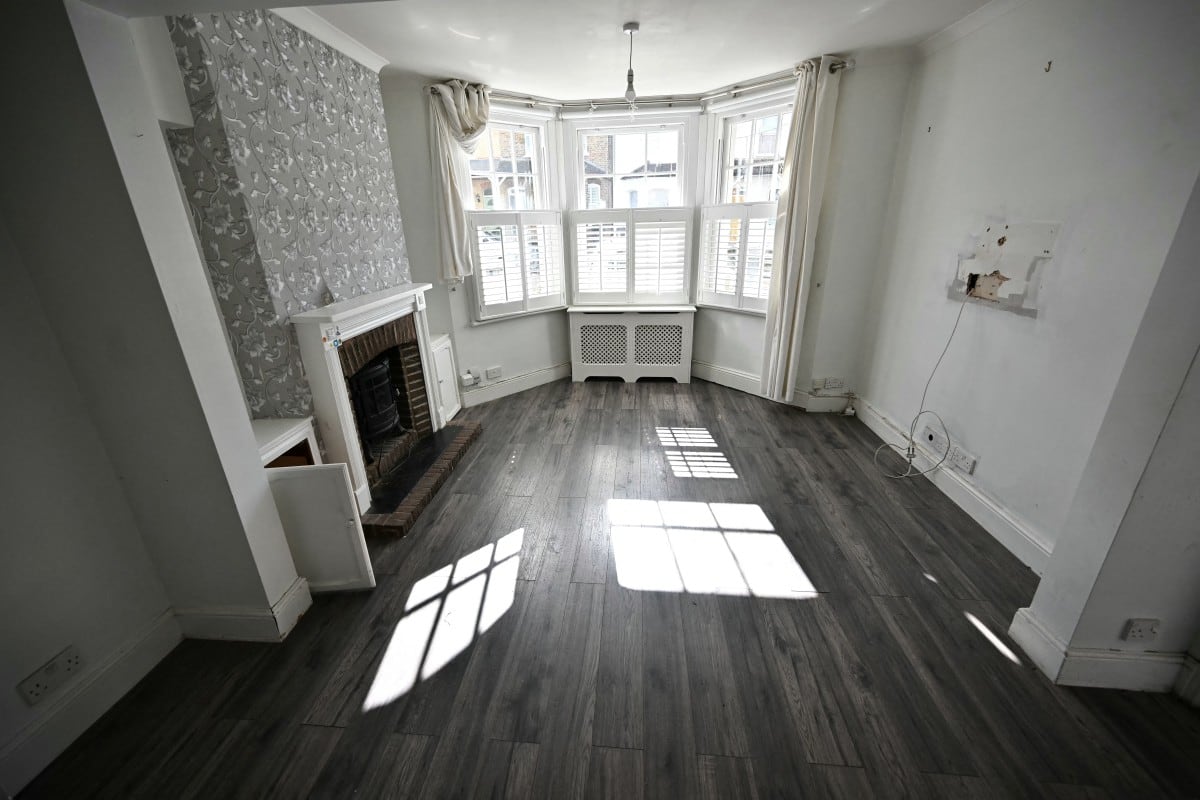
This construction in the suburbs of the British capital was acquired by the heritage organization Heritage of London, which aims to restore it to the appearance it had in 1963, as has been done with the houses where John Lennon and Paul McCartney grew up in Liverpool.
The works will be carried out under the direction of Geoff Marsh, a David Bowie specialist, and according to forecasts the house will open to the public at the end of 2027.

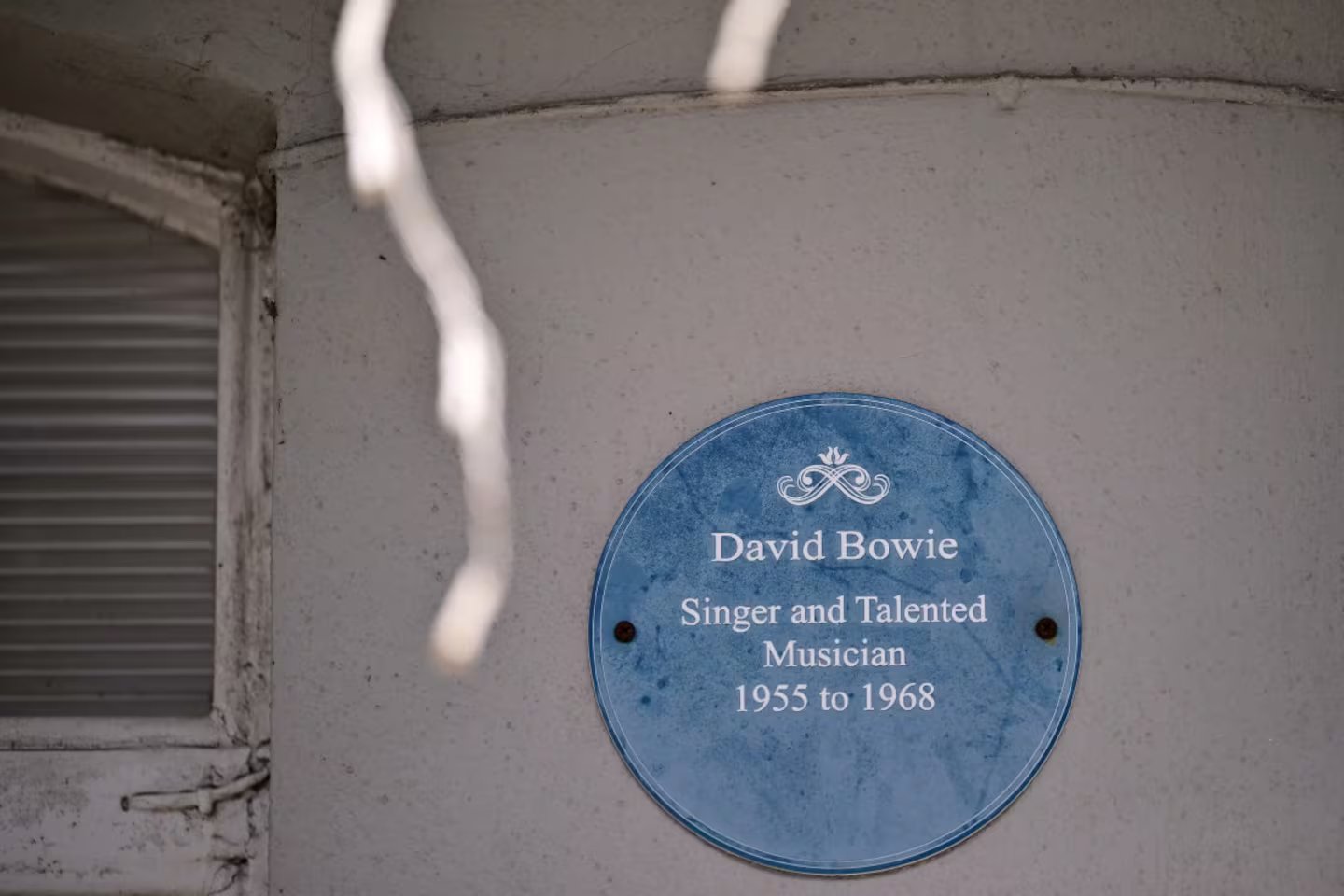
Next to the gray door of the house, built to house railway workers in the late 19th century, a blue plaque indicates that Bowie resided there.
“It all started in this building, where a simple schoolboy was transformed into a young man determined to become a superstar,” Marsh told AFP.
David Bowie lived in this house with his parents and his half-brother, Terry, who was older than him.
Terry had a great creative influence on David. It made him discover modern jazz, the literature of the “Beat Generation” and Buddhism.
But Terry was diagnosed with schizophrenia in 1966, forcing him to repeatedly be in and out of psychiatric hospitals.
According to David Bowie’s biographers, his mother, Peggy Jones, was emotionally distant, and their relationship was marked by periods of estrangement.
The woman decided to leave the house in 1970, a year after the death of David’s father, Haywood, at just 56 years old, due to pneumonia.
To return the house to its original state, the central heating, the extension of the kitchen-dining room, the bathroom on the upper floor and the greenhouse must be removed.
Afterwards, a coal stove, an outdoor bathroom, a tiny kitchen and the garage that was at the back of the garden will be reinstalled.
Escape route for Bowie
The house is located very close to the Sundridge Park train station, which allowed the young David Robert Jones, Bowie’s real name, “to escape from a suburban life that he considered very monotonous and move quickly to the music clubs of the West End or Soho,” in London, according to Marsh.
Despite his young age, “David clearly thought that that life was not for him and that he wanted to succeed. And music was his way out,” says Marsh, curator of an exhibition about the artist at the Victoria & Albert Museum in London in 2013.
The highlight of the visit will be the singer’s room, where he had his record player, his tape recorder and a saxophone that his father gave him.
David Bowie wrote his first songs there, which were not successful until Space Oddity.
Bowie would later describe this room as the refuge he went to escape from his parents and dream, a place he would also say would haunt him throughout his life.
“He sort of spent his life running away from that place,” Marsh says.
For Nicola Stacey, director of Heritage of London, “nothing will be more shocking” for fans than being in that room.
In the piece was a photograph of Little Richard, rock legend, that David Bowie had posted when he was ten years old.
Several of Bowie’s friends from that time remember a “quite austere” house and atmosphere, according to Stacey.
“They would go up to David’s room, play music and admire all those American objects that he was passionate about, with the feeling of new possible horizons,” says Stacey.
Several people in the neighborhood also remember seeing the teenager “wearing incredible outfits,” made up of clothing purchased at fashion or second-hand stores in London.
Those neighbors knew that he was not like the others and felt, according to Stacey, that “he was going to become someone incredible.”