“I have a dystopia or vision that these living things will disappear from the Earth in the not-so-distant future,” said photographer Ádám Urbán The secret life of the botanical garden of his series, a part of which is now broadcast on Telex.
The pictures taken in the National Botanical Garden in Vácrátót really seem to mourn in advance that humanity is destroying the environment that is essential to life, but if we remove the graveyard atmosphere from the photos, they also tell us about the coexistence of man and nature, and the intimate spaces of plants. For a year, the photographer observed the botanical garden and the everyday life of the research staff who take care of it. The secret life in the title of the series refers to those moments that remain hidden from the average visitor. (Incidentally, Urban is not the first to look behind the scenes, for ten years, for example, he documented the everyday life of circus performers.) A person walking in a garden should only enjoy the plants and not worry about the work required to create the view, but now he can immerse himself in how a piece of nature is made.
A botanical garden is somewhat deceptive: it is crowded with plants from distant regions, some of which could never be placed next to each other and would be doomed to death in this climate without human care. But this activity can also be understood as artefact rescue, since it preserves plants and genetic material for posterity that do not even exist in the original habitats. According to Ádám Urbán, a botanical garden can be understood as a museum, which posts our present to posterity. He said that’s why his series had the working title A memory for posterity, a warning for the present. The warning to us may be to preserve as much of nature as possible, the first step of which is not to destroy it. It used to be bad when we could only show a few trees or flowers with artificial interventions, connected to ventilators.
Thinking of a botanical garden, thousands of shades of green or the image of colorful flowers flash to everyone, in comparison, Ádám Urbán at first distances nature from us with stark, black-and-white images. He said that this gesture serves two purposes, on the one hand, black and white can also show grief, and on the other hand, it follows the traditions of documentary photography, in which black and white images simplify views and have a different effect on people, who are able to delve deeper into the details. However, it moves away from documentary and makes you think with more metaphorical images.
Portraits that treat plants almost like works of art, as if time has stopped around them, can also help with this. These photos did not come by chance at the exhibition in the Műcsarnok until May 10 to the still life section. Urbán says that he does not approach plants as a nature photographer, rather he treats them as entities that can somehow speak to him. Sometimes these appeals come through a world of shapes evoking some kind of geometric order, the photographer also shows us the geometric playfulness arising from the structure of the plants and the garden. They’re often born instinctively, he says, but can help spark curiosity, “like when someone’s scrolling on Insta, but you manage to stop them for at least a few seconds.”
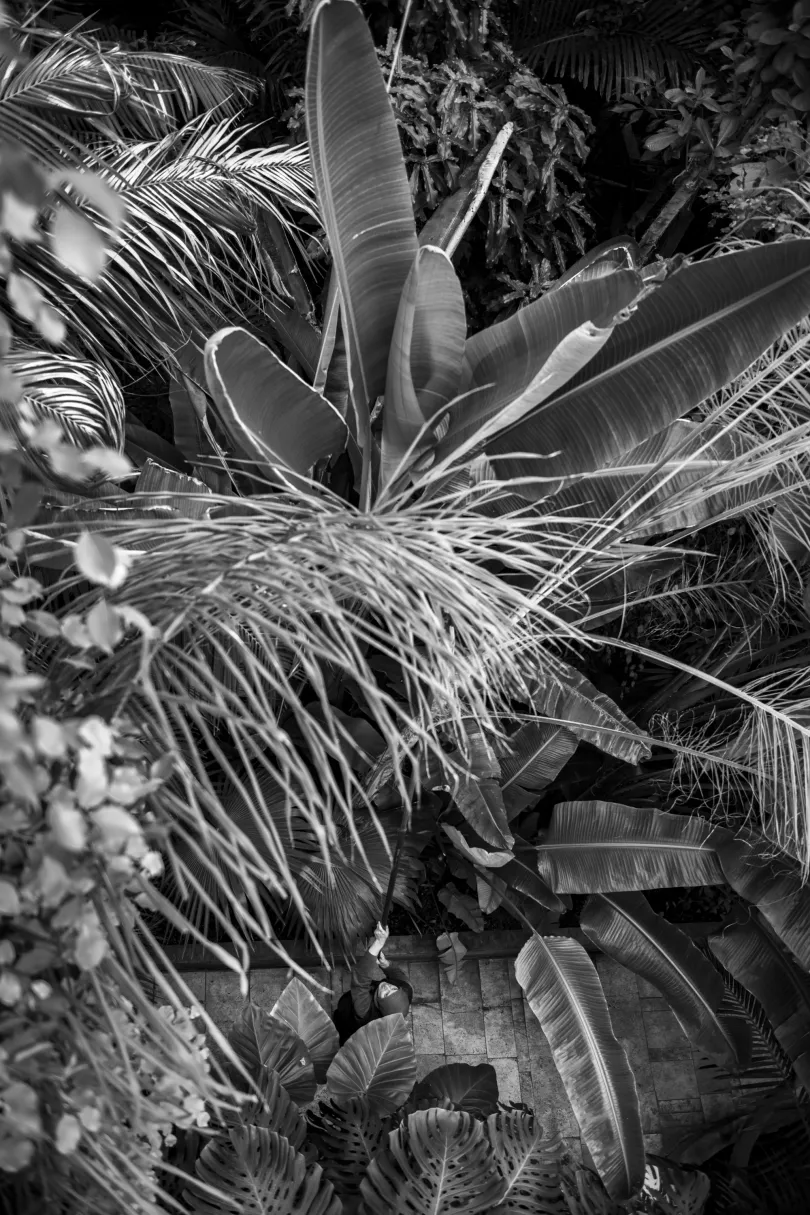
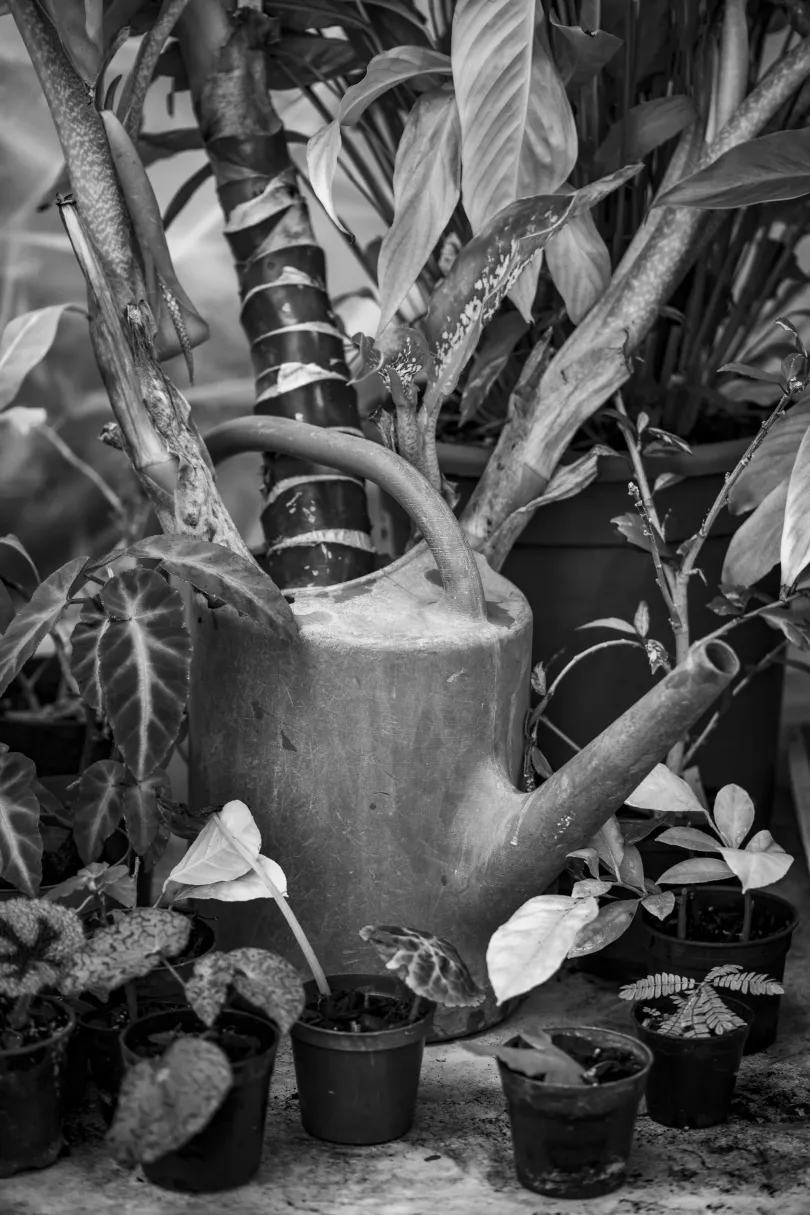
Csongor cuts the withered palm leaves / Glasshouse still life – Photo: Ádám Urbán
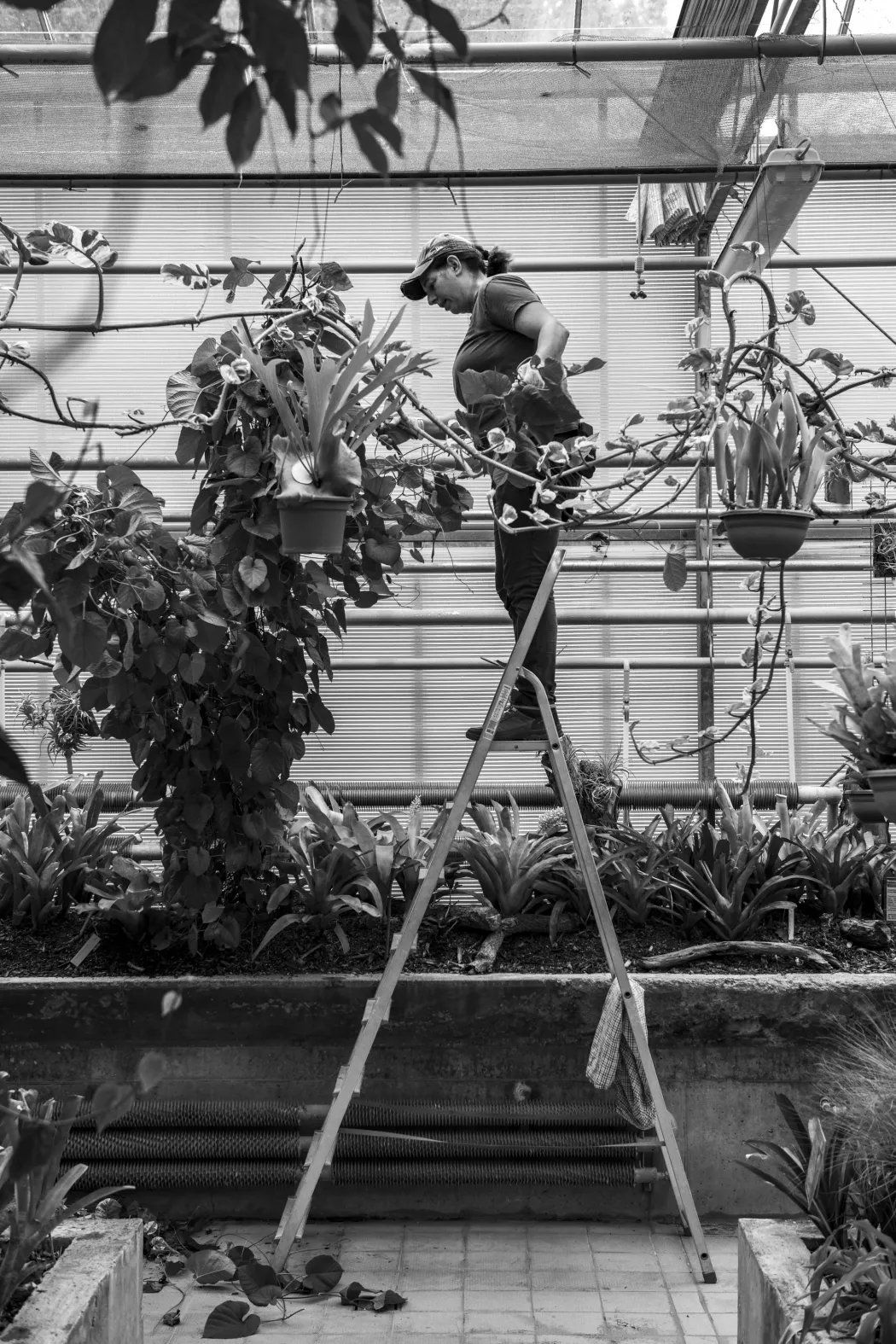
Veronika takes care of the plants from a ladder in the Bromelia House. In the Greenhouse collection, the plants can be found in separate houses according to their heat, humidity, humidity and light requirements, such as the Palm House, the Orchid and Bromeliad House, the Cactus and Succulent House, and the Cold House – Photo: Ádám Urbán
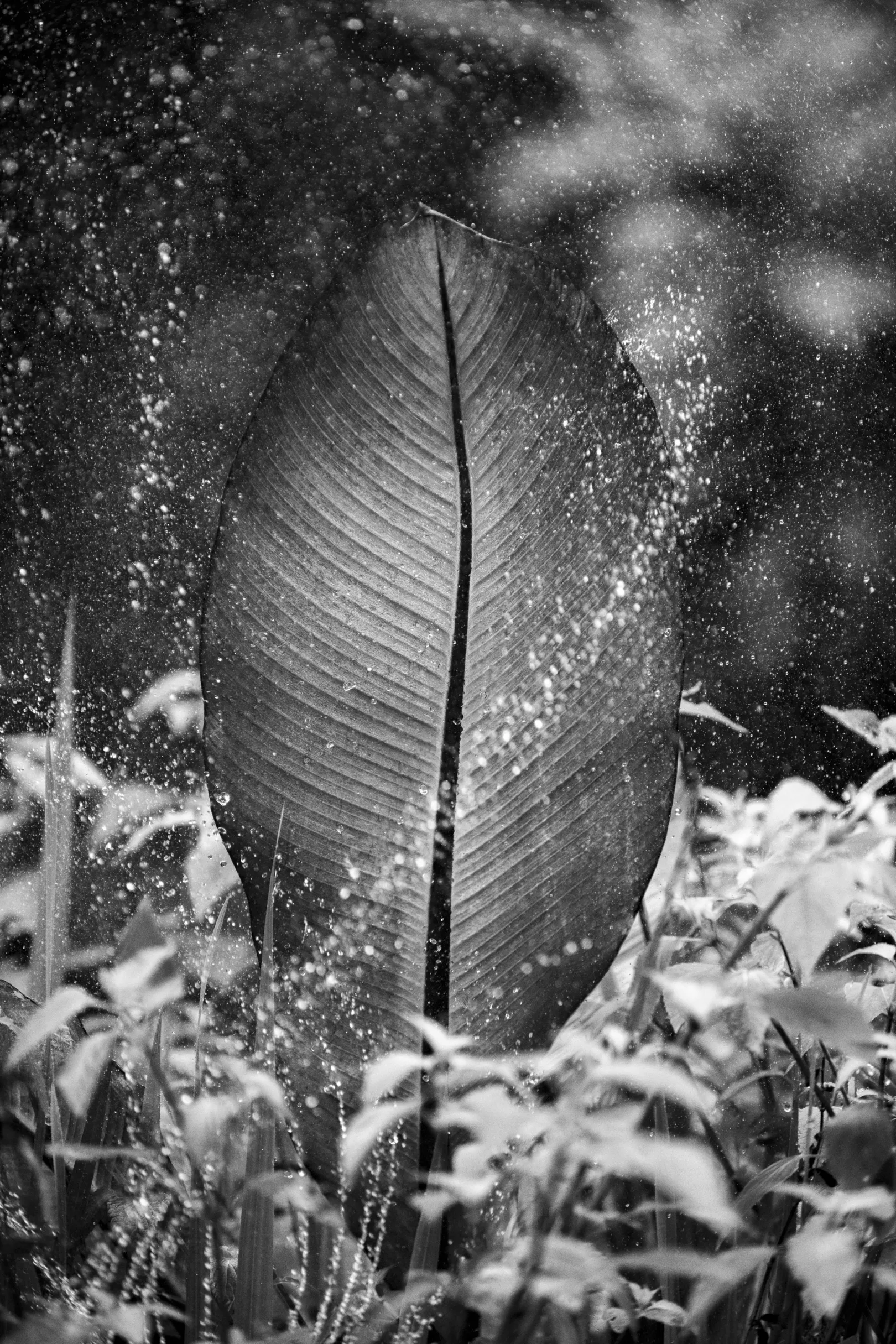
Without regular watering, it is becoming less and less possible to maintain a green, thriving garden – Photo: Ádám Urbán
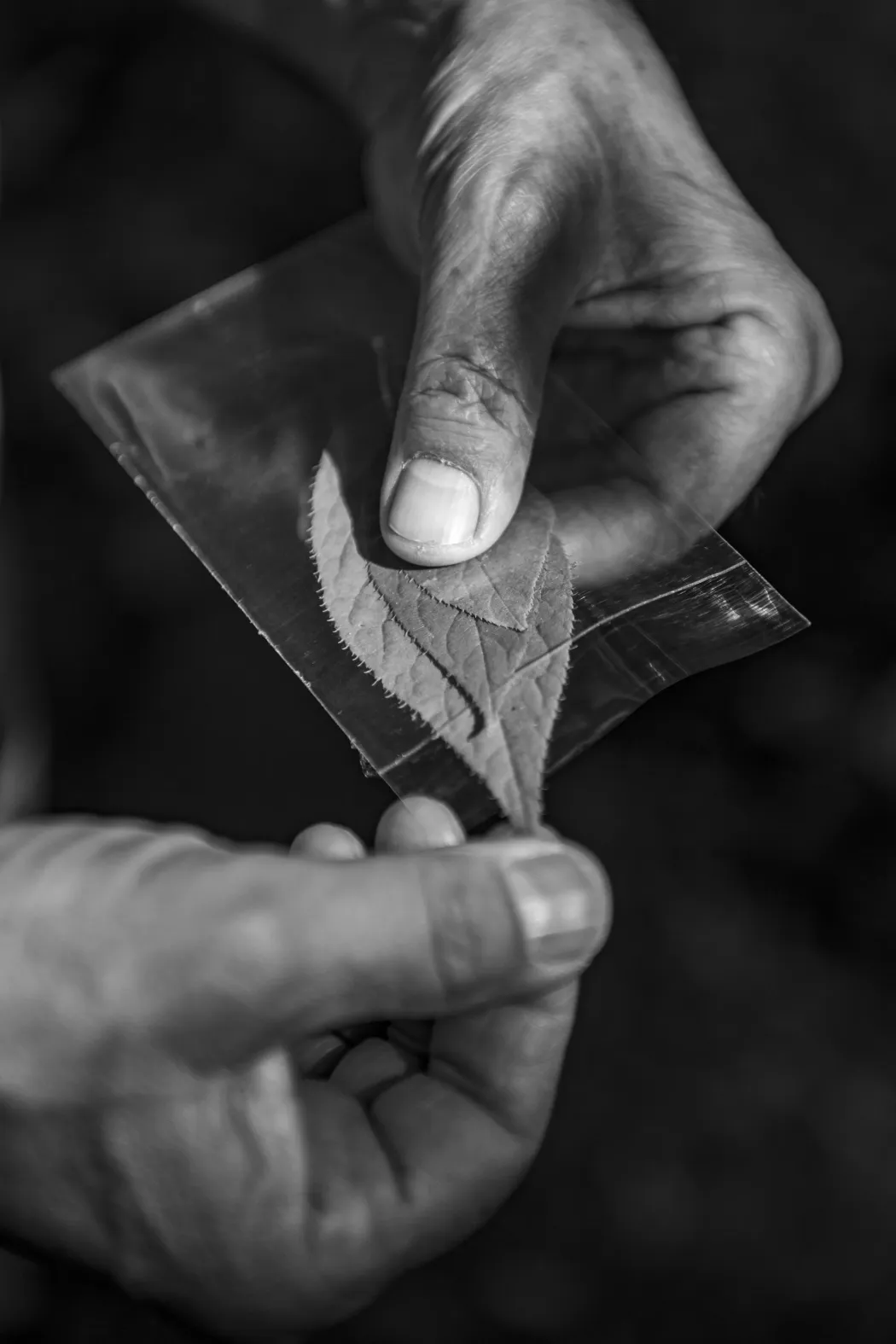
István collects letter samples. Plant identification is one of the classic tasks of botanical gardens – Photo: Ádám Urbán
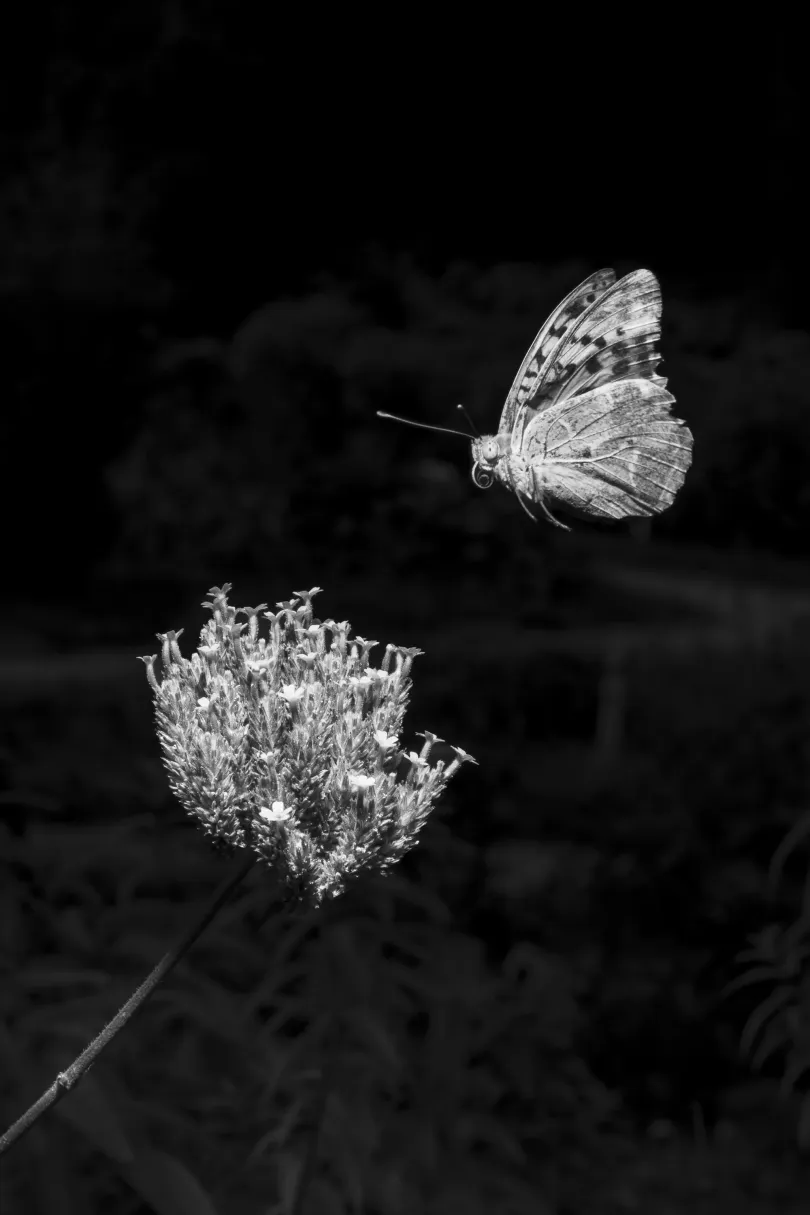
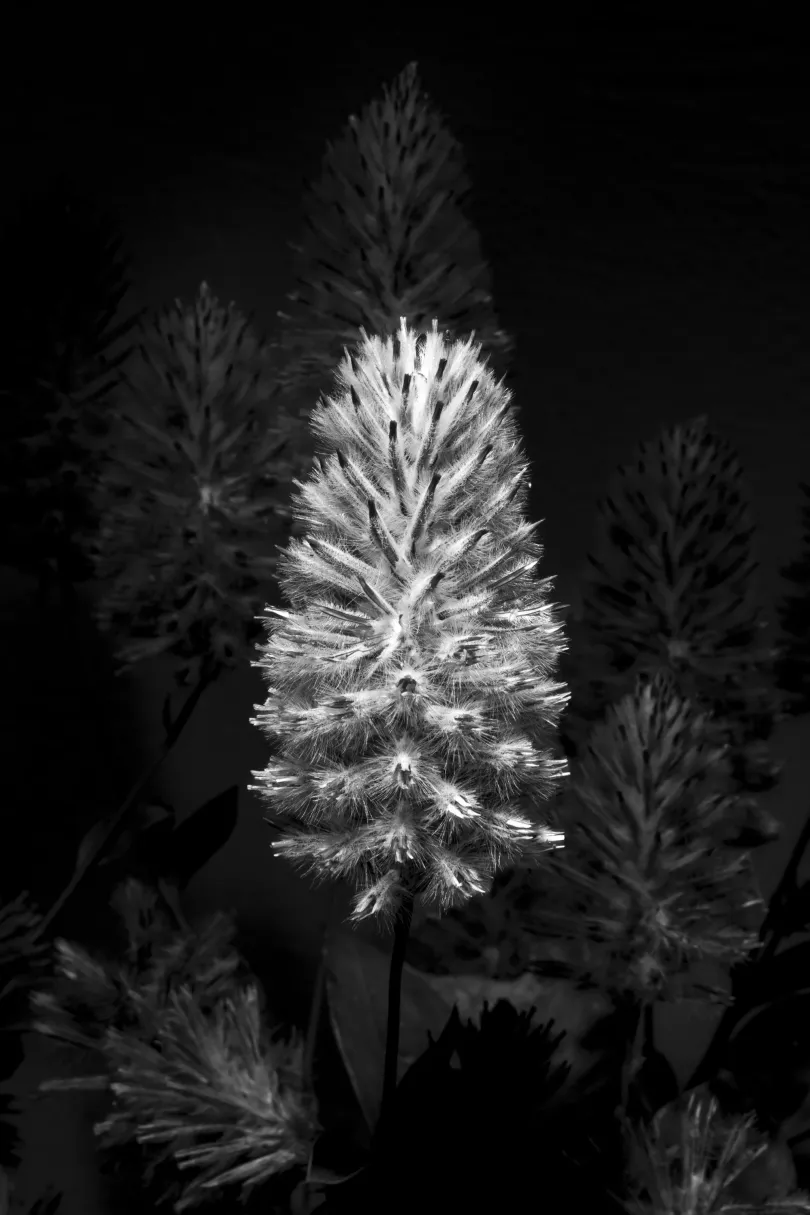
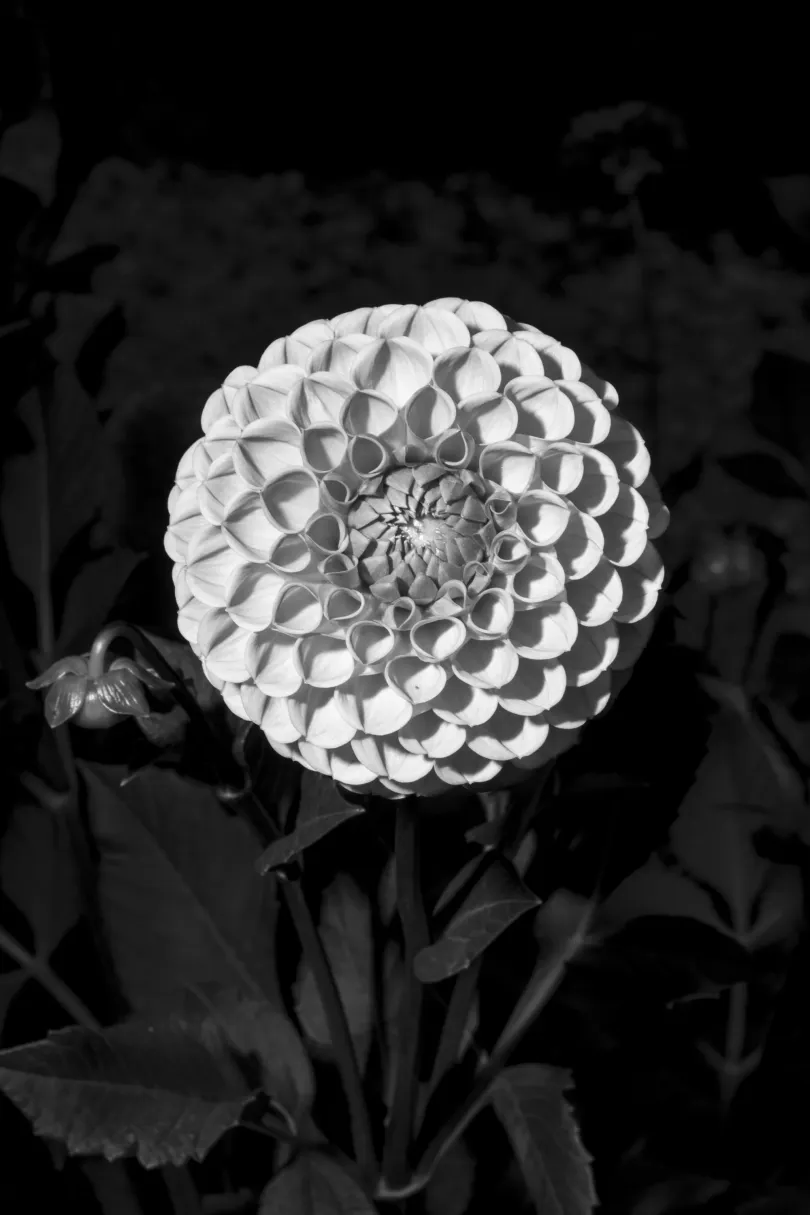
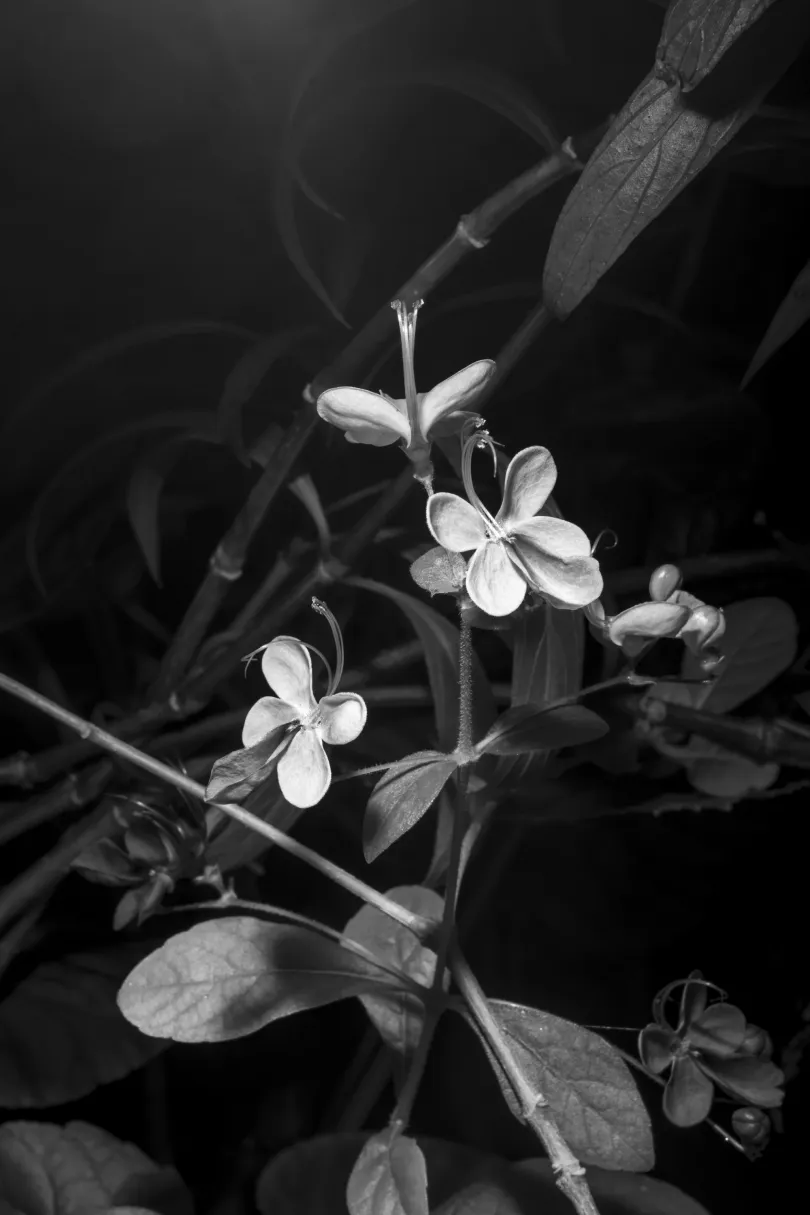
Pollinating insects are vital residents of the garden / Mula-mula (Ptilotus) / Dahlia (Dahlia) / Clerodendrum – Photo: Ádám Urbán
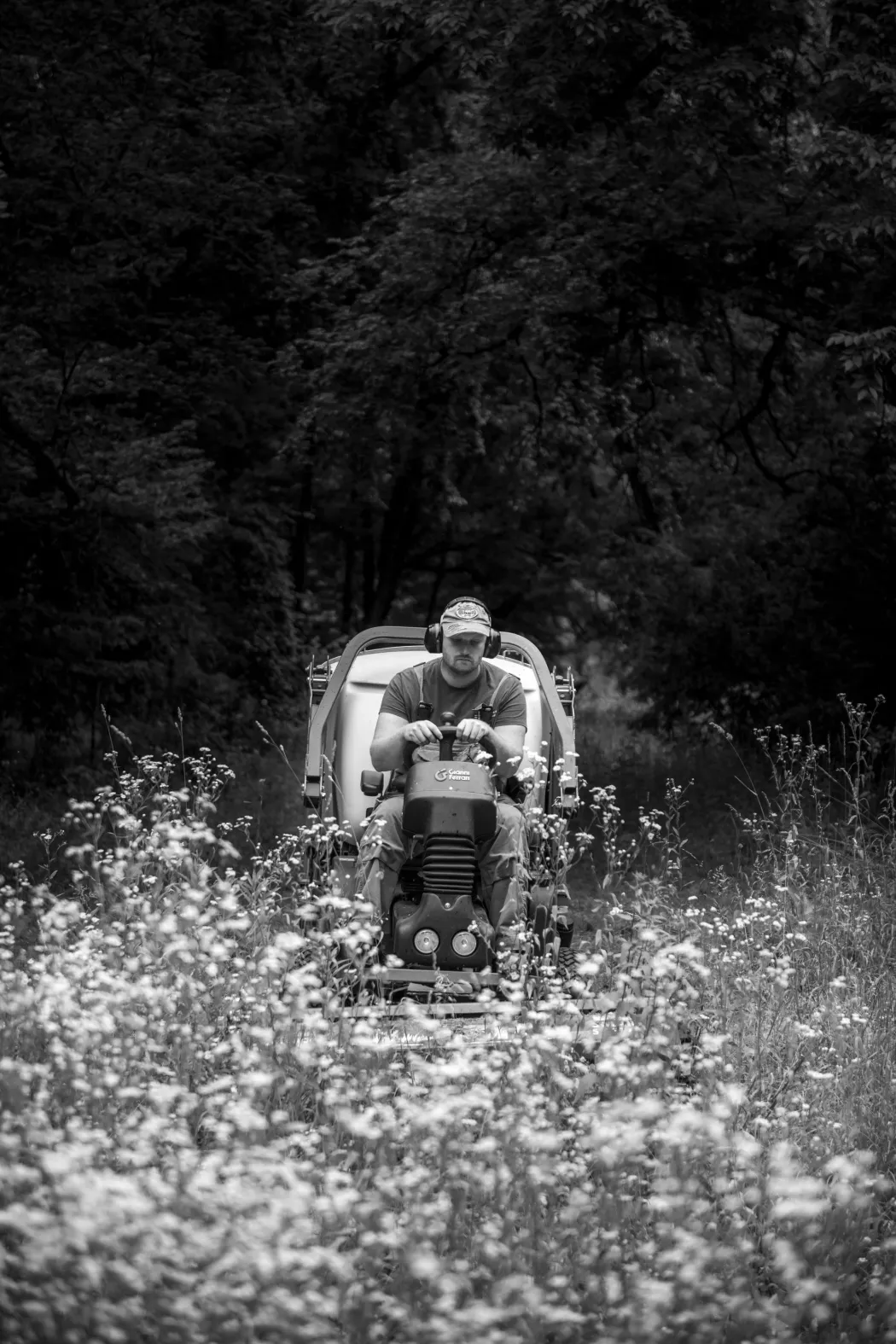
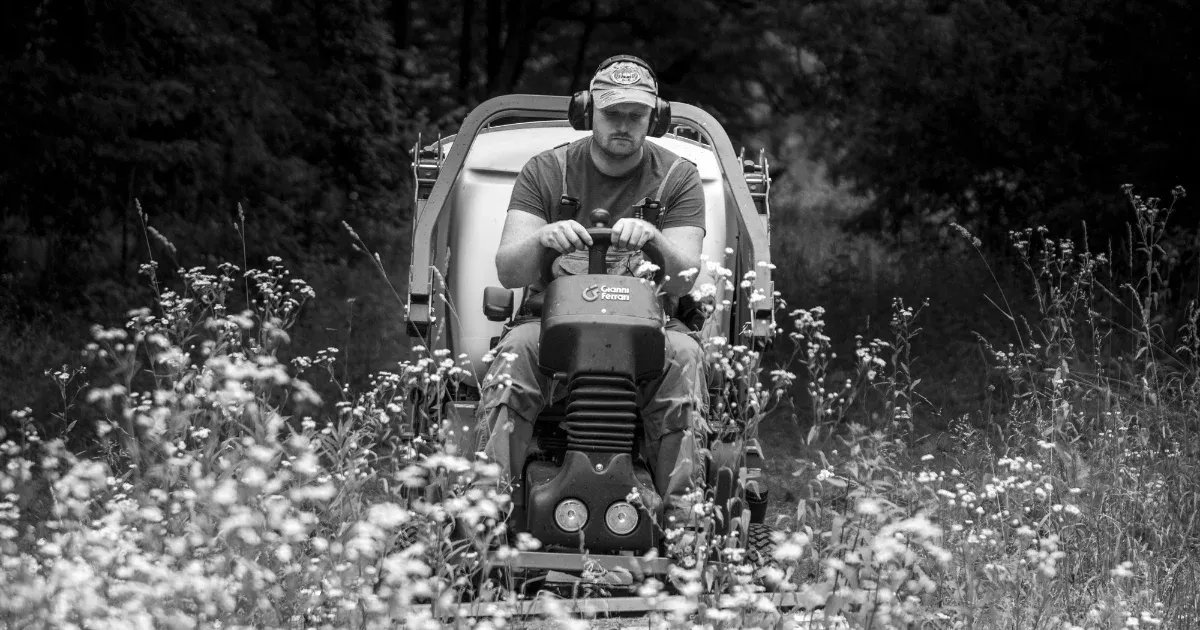
Norbert mows the lawn. Meadows and clearings are important components of a landscape garden. Lawn surfaces require professional care, this is the regular task of gardeners from spring to autumn – Photo: Ádám Urbán
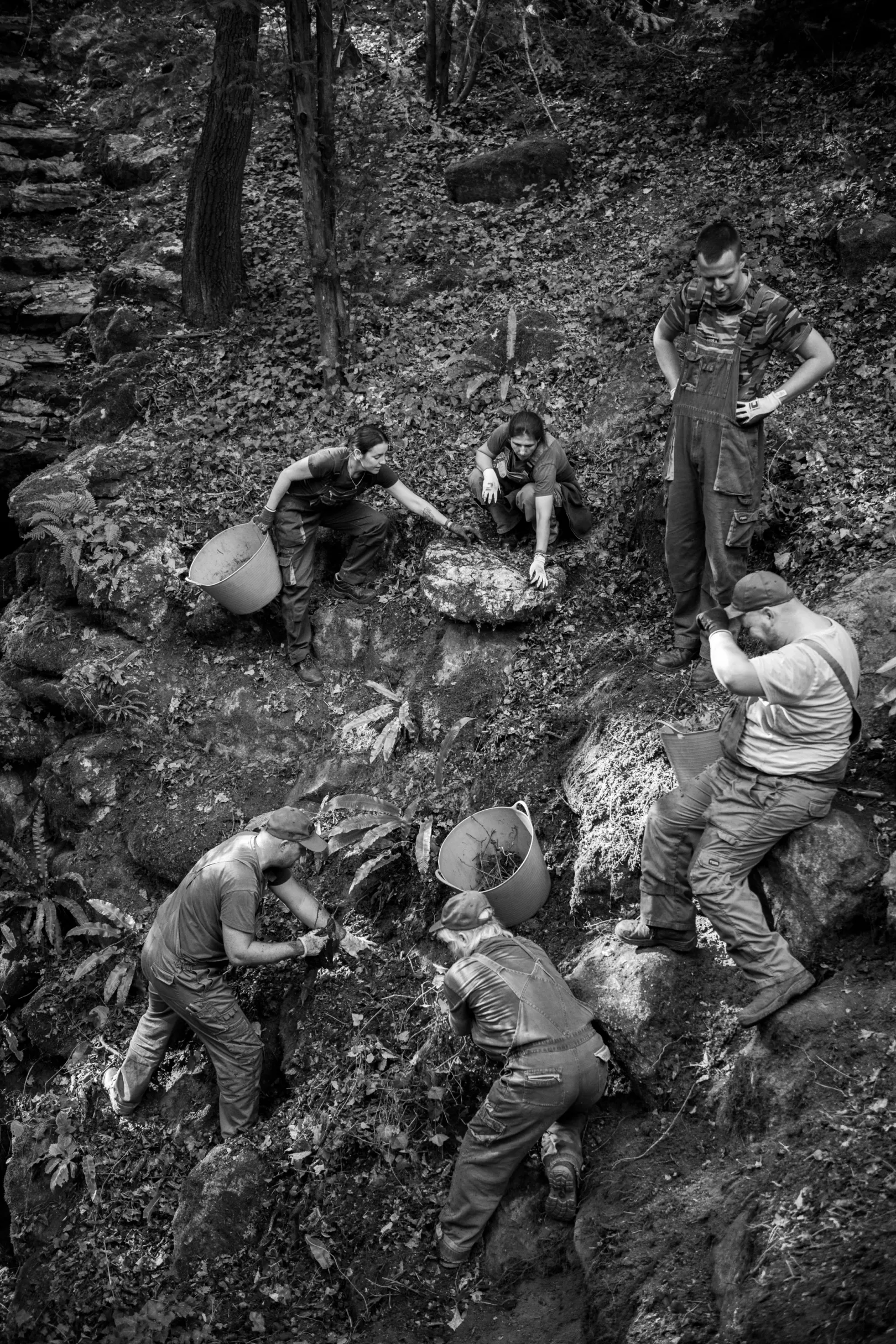
Cleaning the waterfall is a team effort. Among the stylistic elements of the sentimental landscape garden, we can mention, among others, the divided surface, the lake system and the artificial waterfall – Photo: Ádám Urbán
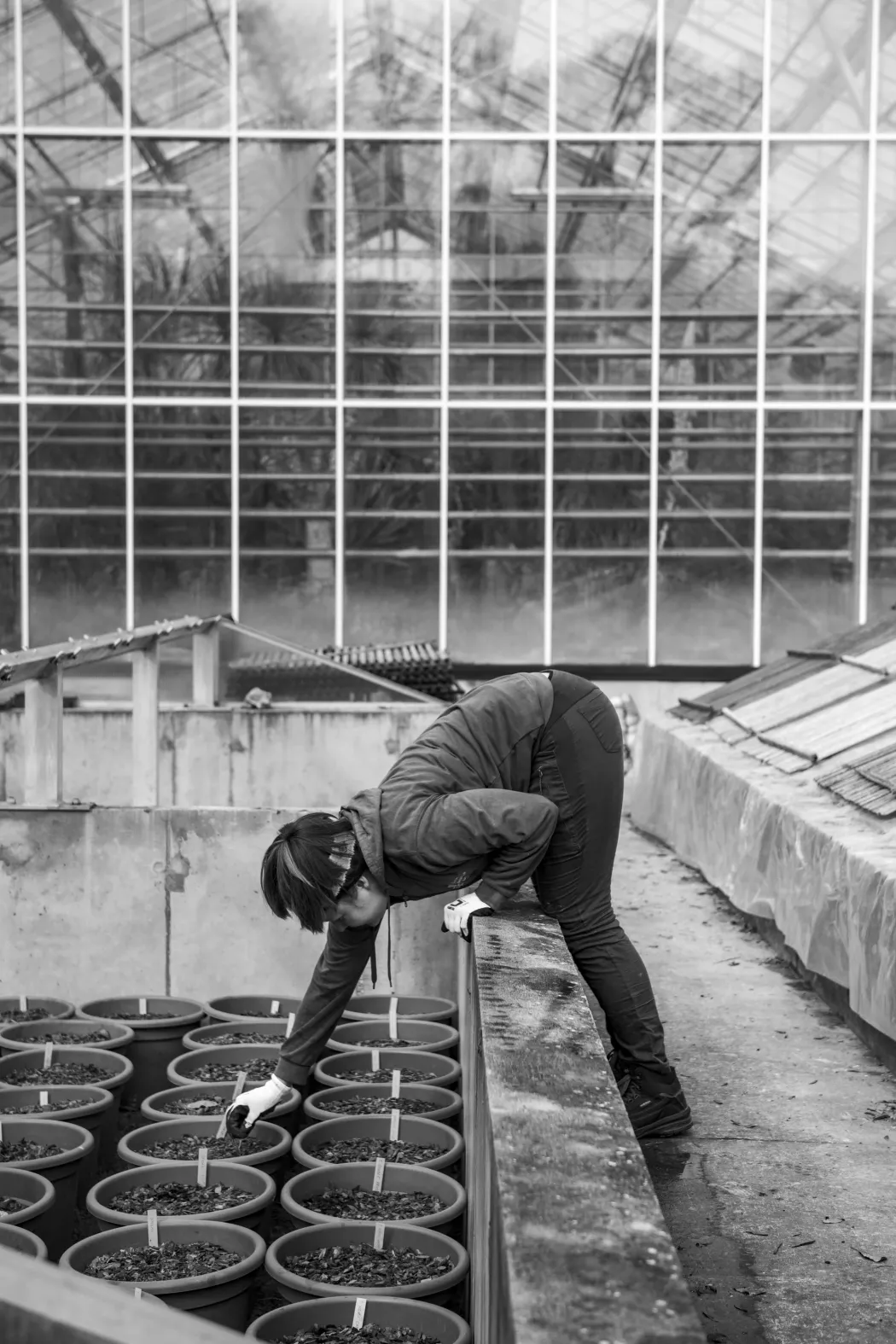
After wintering, the deep beds are opened. Every spring, tens of thousands of tulip bulbs bloom in the plant beds – Photo: Ádám Urbán
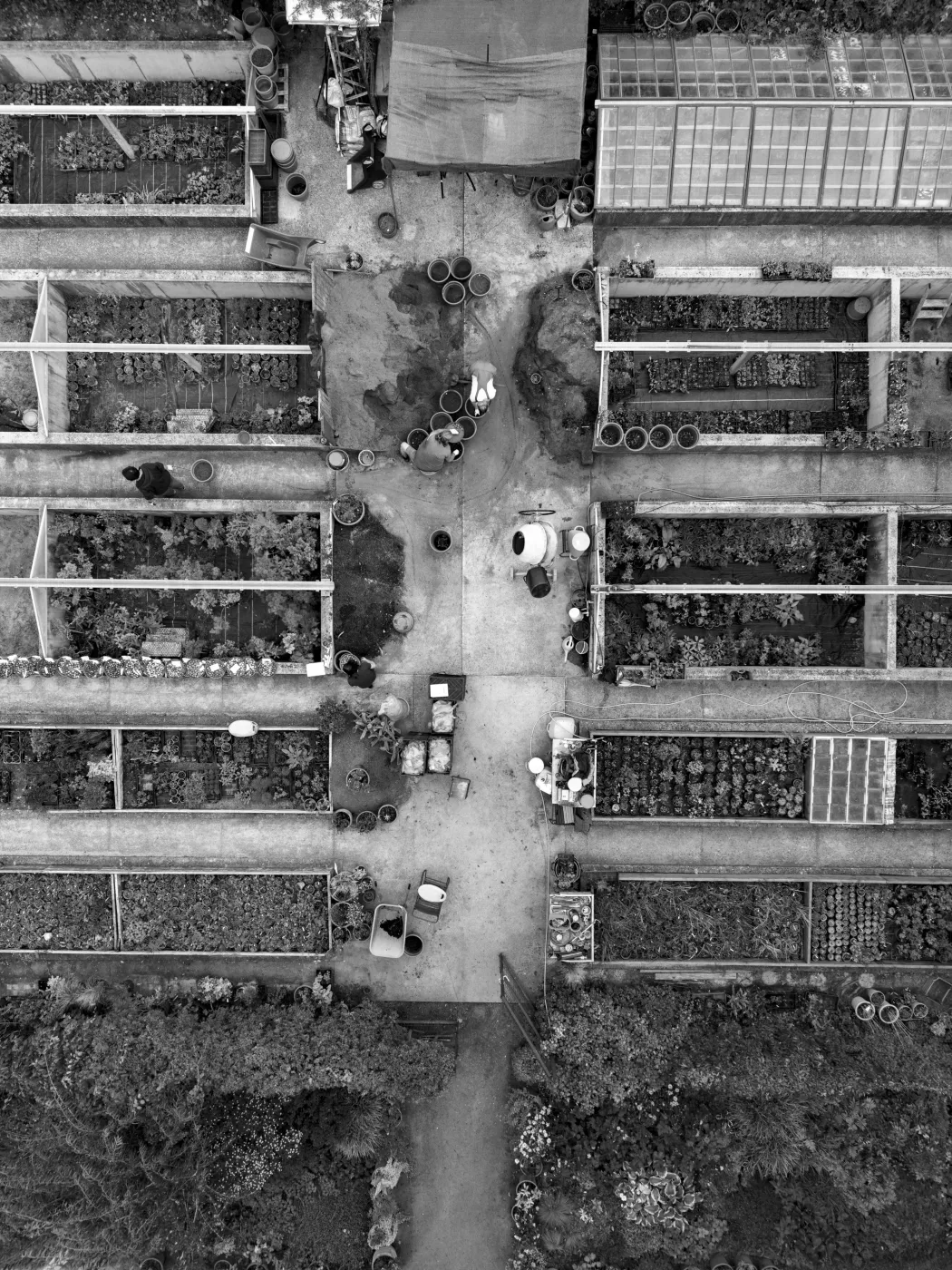
Between the deep beds, in the so-called cage, work is continuous throughout the year – Photo: Ádám Urbán
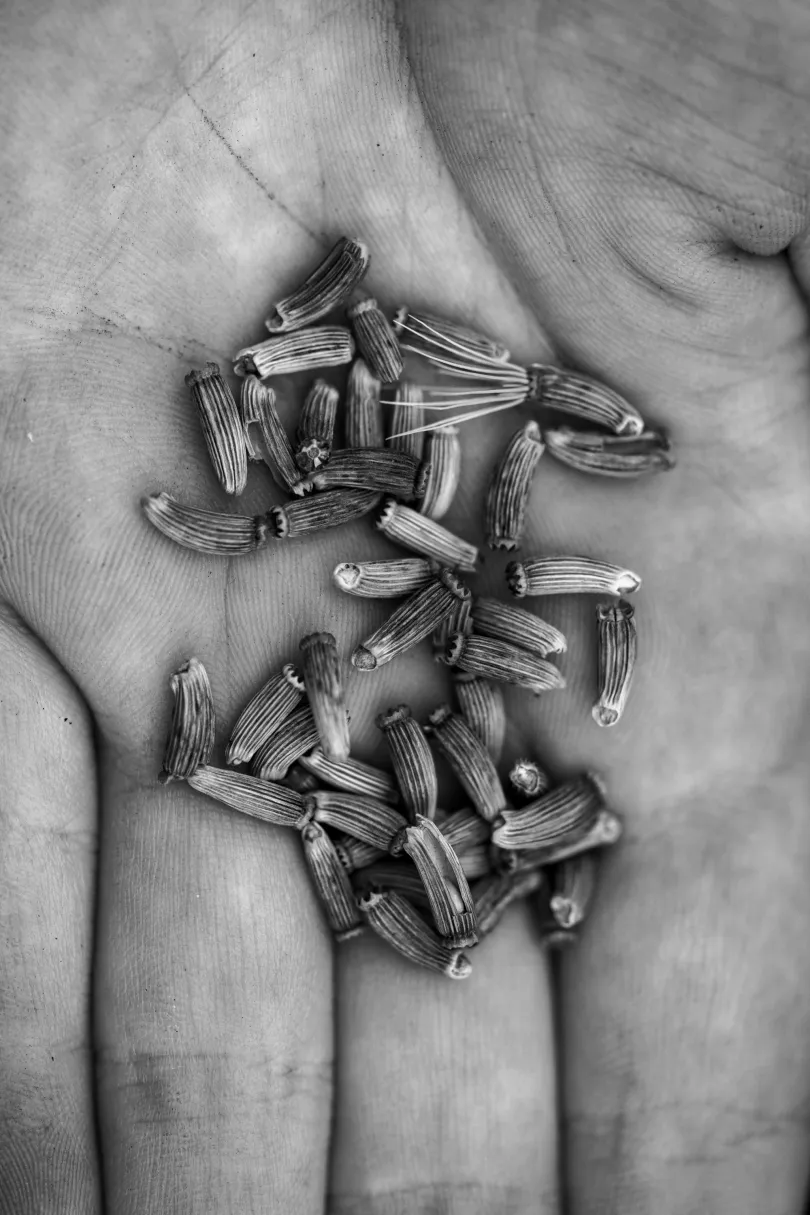
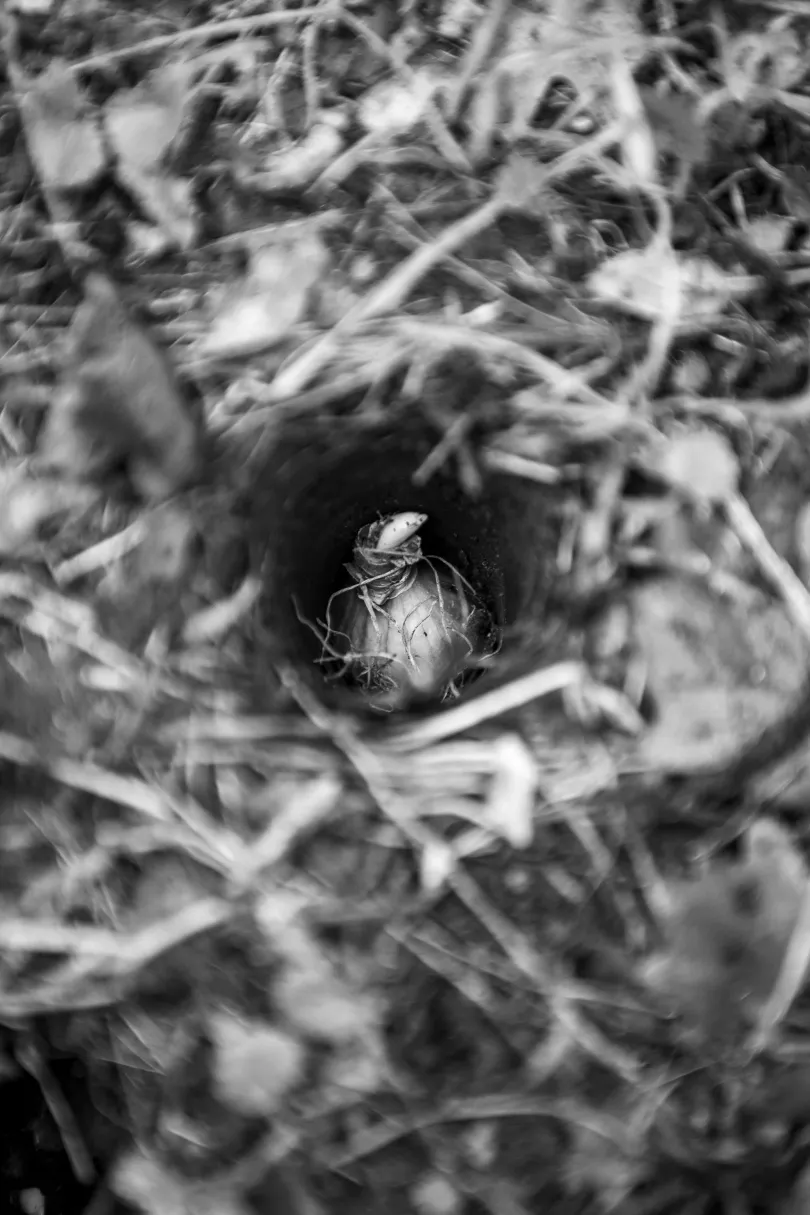
The staff of the garden participate in several botanical collecting expeditions every year in order to obtain propagating materials / The seeds, however small, contain the entire genetic stock of the plant – Photo: Ádám Urbán
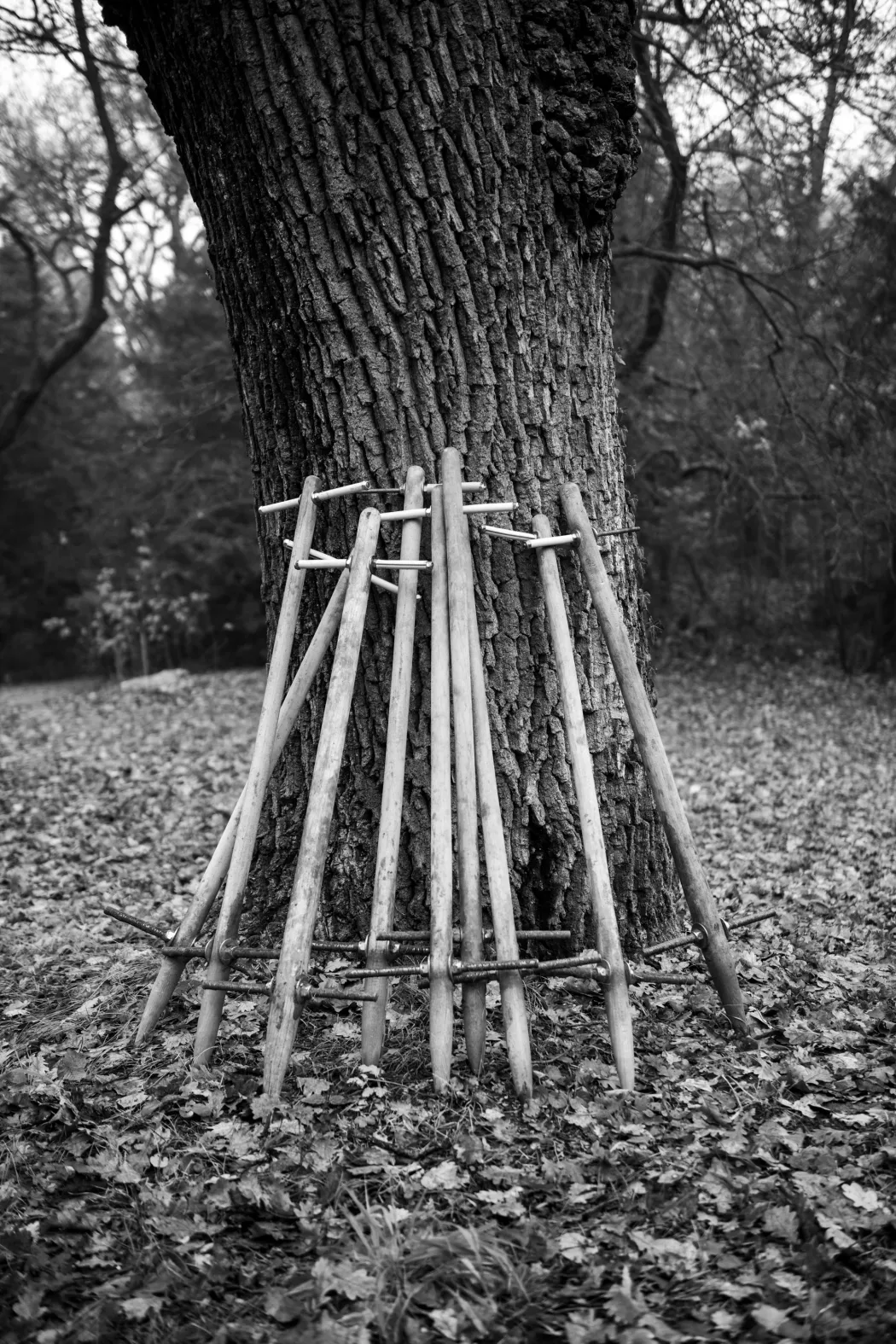
The prototype of the cutting tools attached to the tree trunk is the botanic garden’s own development – Photo: Ádám Urbán
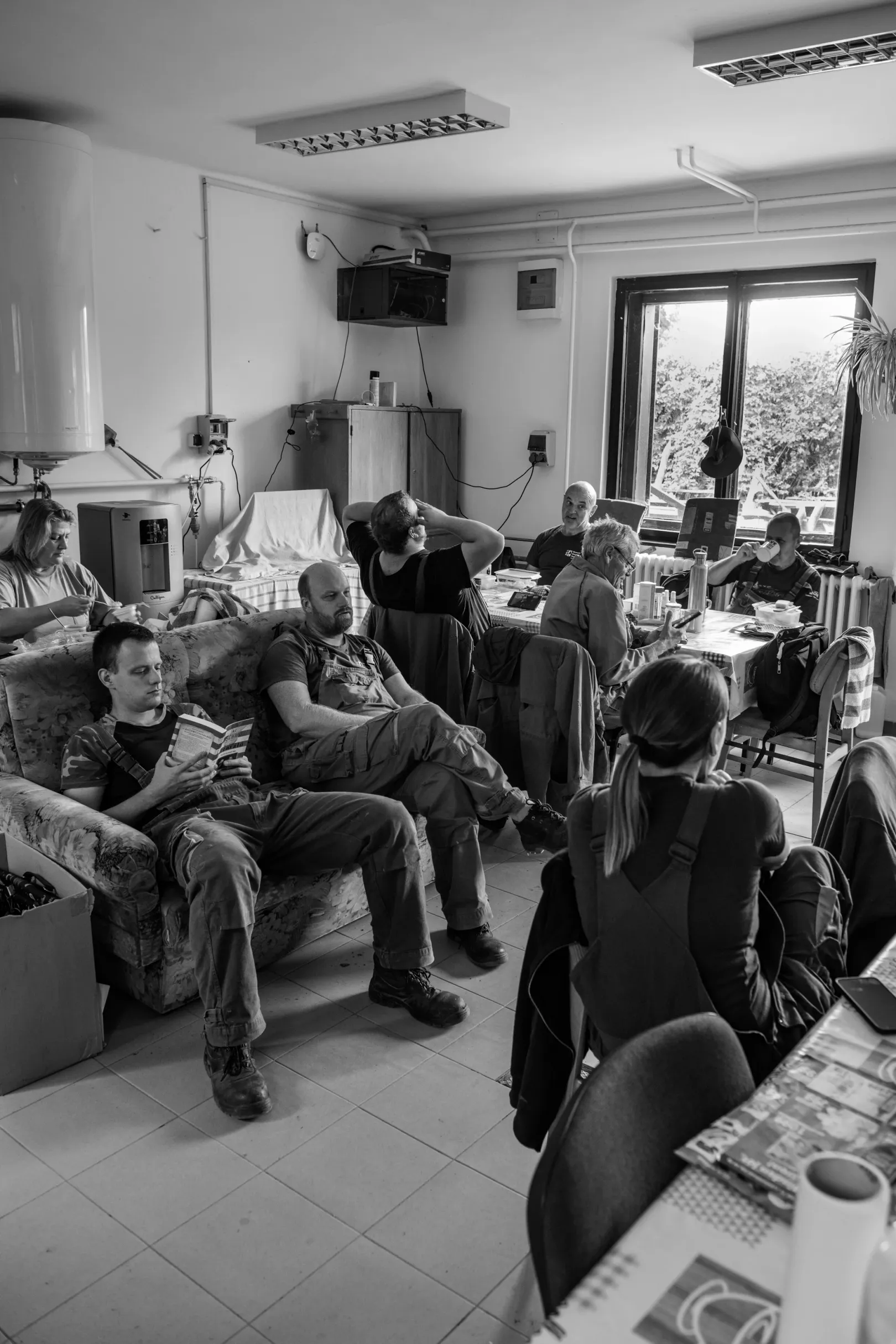
Lunch break and rest in the brigade building – Photo: Ádám Urbán
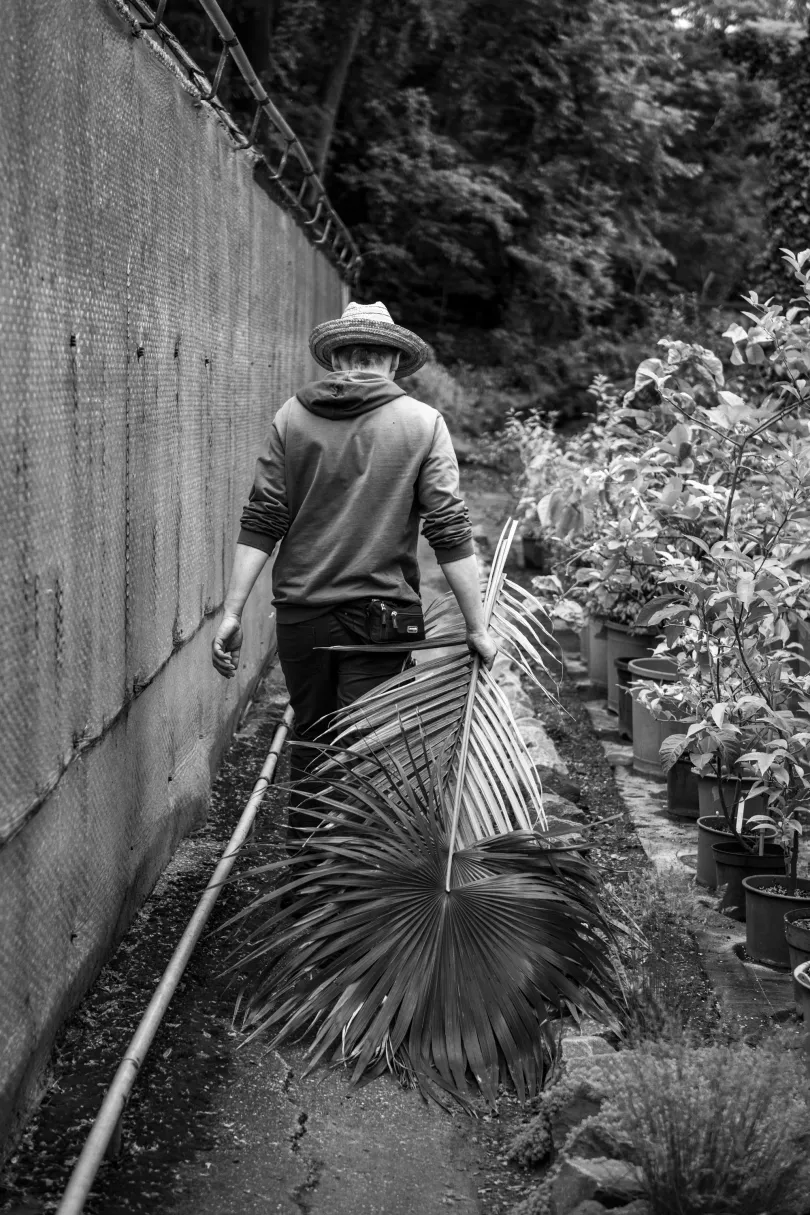

The cut leaves are sent to the compost site / Collecting lotus crops from a bird’s eye view – Photo: Ádám Urbán
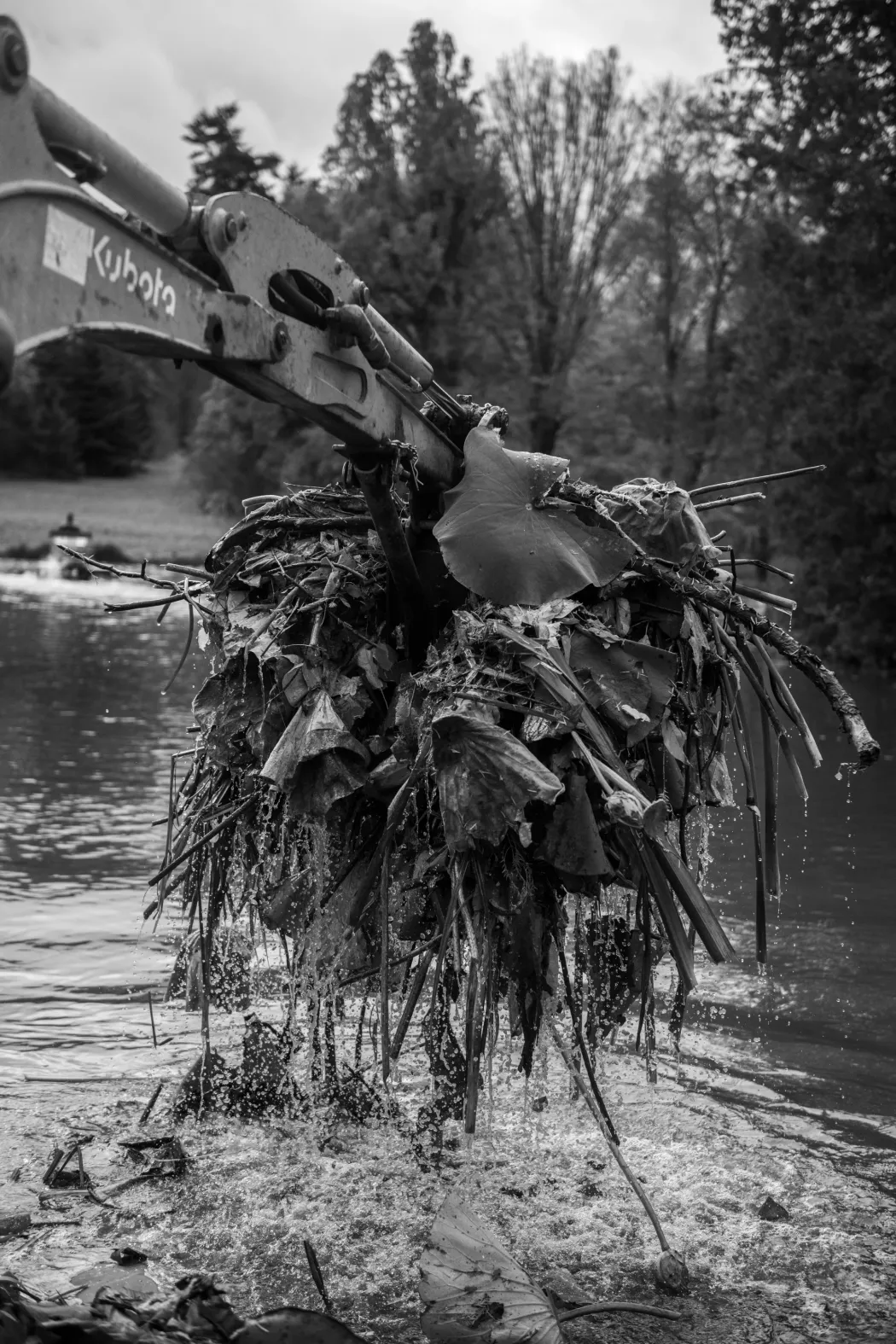
In autumn, the wilting leaves of the Indian lotus are removed from the lake – Photo: Ádám Urbán