Thursday, May 7, 2026
    The GeoStrategic Consensus
    No Result
    View All Result
    • Login
    • HOME
    • AMERICAS
      • Argentina
      • Brazil
      • Canada
      • Chile
      • Colombia
      • Costa Rica
      • Cuba
      • Dominican Republic
      • Ecuador
      • El Salvador
      • Greenland
      • Guatemala
      • Honduras
      • Mexico
      • Nicaragua
      • Panama
      • Paraguay
      • Peru
      • United States
      • Uruguay
      • Venezuela
    • ASIA-PACIFIC
      • Australia
      • Brunei Darussalam
      • Cambodia
      • China
      • Federated States of Micronesia
      • Fiji
      • Indonesia
      • Japan
      • Kiribati
      • Laos
      • Malaysia
      • Marshall Islands
      • Mongolia
      • Myanmar
      • Nauru
      • New Zealand
      • North Korea
      • Palau
      • Papua New Guinea
      • Philippines
      • Samoa
      • Singapore
      • Solomon Islands
      • South Korea
      • Taiwan
      • Thailand
      • Timor-Leste
      • Tonga
      • Tuvalu
      • Vanuatu
      • Vietnam
    • CARICOM
      • CARICOM – Non-English
        • Haiti
        • Suriname
      • CARICOM Associates
        • Anguilla
        • Bermuda
        • British-Virgin-Islands
        • Cayman-Islands
        • Curacao
        • Turks-and-Caicos
      • CARICOM English
        • Antigua and Barbuda
        • Barbados
        • Belize
        • Dominica
        • Grenada
        • Guyana
        • Jamaica
        • Montserrat
        • Saint Kitts and Nevis
        • Saint Lucia
        • Saint Vincent and the Grenadines
        • The Bahamas
        • Trinidad and Tobago
    • EURASIA
      • Armenia
      • Azerbaijan
      • Balarus
      • Georgia
      • Kazakhstan
      • Kyrgyzstan
      • Moldova
      • Russia
      • Tajikistan
      • Turkmenistan
      • Ukraine
      • Uzbekistan
    • EUROPE
      • Albania
      • Andorra
      • Austria
      • Bosnia and Herzegovina
      • Bulgaria
      • Croatia
      • Cyprus
      • Czech Republic
      • Denmark
      • Estonia
      • Finland
      • France
      • Germany
      • Greece
      • Holy See
      • Hungary
      • Iceland
      • Ireland
      • Italy
      • Kosovo
      • Latvia
      • Liechtenstein
      • Lithuania
      • Luxembourg
      • Malta
      • Monaco
      • Montenegro
      • Netherlands
      • North Macedonia
      • Norway
      • Poland
      • Portugal
      • Romania
      • San Marino
      • Serbia
      • Slovakia
      • Slovenia
      • Spain
      • Sweden
      • Switzerland
      • United Kingdom
    • MIDDLE EAST AND NORTH AFRICA
      • Algeria
      • Bahrain
      • Egypt
      • Iran
      • Iraq
      • Israel
      • Jordan
      • Kuwait
      • Lebanon
      • Lybia
      • Morocco
      • Oman
      • Palestinian Territories
      • Qatar
      • Saudi Arabia
      • Syria
      • Tunisia
      • Turkey
      • United Arab Emirates
      • Western Sahara
      • Yemen
    • SOUTH ASIA
      • Afghanistan
      • Bangladesh
      • Bhutan
      • India
      • Maldives
      • Nepal
      • Pakistan
      • Sri Lanka
    • SUB-SAHARAN AFRICA
      • Angola
      • Benin
      • Botswana
      • Burkina Faso
      • Burundi
      • Cabo Verde
      • Cameroon
      • Central African Republic
      • Chad
      • Comoros
      • Cote d’Ivoire
      • Democratic Republic of the Congo
      • Djibouti
      • Equatorial Guinea
      • Eritrea
      • Eswatini
      • Ethiopia
      • Gabon
      • Gambia
      • Ghana
      • Guinea
      • Guinea Bissau
      • Kenya
      • Lesotho
      • Liberia
      • Madagascar
      • Malawi
      • Mali
      • Mauritania
      • Mauritius
      • Mozambique
      • Namibia
      • Niger
      • Nigeria
      • Republic of the Congo
      • Rwanda
      • Sao Tome and Principe
      • Senegal
      • Seychelles
      • Sierra Leone
      • Somalia
      • South Africa
      • South Sudan
      • Sudan
      • Tanzania
      • Togo
      • Uganda
      • Zambia
      • Zimbabwe
    • HOME
    • AMERICAS
      • Argentina
      • Brazil
      • Canada
      • Chile
      • Colombia
      • Costa Rica
      • Cuba
      • Dominican Republic
      • Ecuador
      • El Salvador
      • Greenland
      • Guatemala
      • Honduras
      • Mexico
      • Nicaragua
      • Panama
      • Paraguay
      • Peru
      • United States
      • Uruguay
      • Venezuela
    • ASIA-PACIFIC
      • Australia
      • Brunei Darussalam
      • Cambodia
      • China
      • Federated States of Micronesia
      • Fiji
      • Indonesia
      • Japan
      • Kiribati
      • Laos
      • Malaysia
      • Marshall Islands
      • Mongolia
      • Myanmar
      • Nauru
      • New Zealand
      • North Korea
      • Palau
      • Papua New Guinea
      • Philippines
      • Samoa
      • Singapore
      • Solomon Islands
      • South Korea
      • Taiwan
      • Thailand
      • Timor-Leste
      • Tonga
      • Tuvalu
      • Vanuatu
      • Vietnam
    • CARICOM
      • CARICOM – Non-English
        • Haiti
        • Suriname
      • CARICOM Associates
        • Anguilla
        • Bermuda
        • British-Virgin-Islands
        • Cayman-Islands
        • Curacao
        • Turks-and-Caicos
      • CARICOM English
        • Antigua and Barbuda
        • Barbados
        • Belize
        • Dominica
        • Grenada
        • Guyana
        • Jamaica
        • Montserrat
        • Saint Kitts and Nevis
        • Saint Lucia
        • Saint Vincent and the Grenadines
        • The Bahamas
        • Trinidad and Tobago
    • EURASIA
      • Armenia
      • Azerbaijan
      • Balarus
      • Georgia
      • Kazakhstan
      • Kyrgyzstan
      • Moldova
      • Russia
      • Tajikistan
      • Turkmenistan
      • Ukraine
      • Uzbekistan
    • EUROPE
      • Albania
      • Andorra
      • Austria
      • Bosnia and Herzegovina
      • Bulgaria
      • Croatia
      • Cyprus
      • Czech Republic
      • Denmark
      • Estonia
      • Finland
      • France
      • Germany
      • Greece
      • Holy See
      • Hungary
      • Iceland
      • Ireland
      • Italy
      • Kosovo
      • Latvia
      • Liechtenstein
      • Lithuania
      • Luxembourg
      • Malta
      • Monaco
      • Montenegro
      • Netherlands
      • North Macedonia
      • Norway
      • Poland
      • Portugal
      • Romania
      • San Marino
      • Serbia
      • Slovakia
      • Slovenia
      • Spain
      • Sweden
      • Switzerland
      • United Kingdom
    • MIDDLE EAST AND NORTH AFRICA
      • Algeria
      • Bahrain
      • Egypt
      • Iran
      • Iraq
      • Israel
      • Jordan
      • Kuwait
      • Lebanon
      • Lybia
      • Morocco
      • Oman
      • Palestinian Territories
      • Qatar
      • Saudi Arabia
      • Syria
      • Tunisia
      • Turkey
      • United Arab Emirates
      • Western Sahara
      • Yemen
    • SOUTH ASIA
      • Afghanistan
      • Bangladesh
      • Bhutan
      • India
      • Maldives
      • Nepal
      • Pakistan
      • Sri Lanka
    • SUB-SAHARAN AFRICA
      • Angola
      • Benin
      • Botswana
      • Burkina Faso
      • Burundi
      • Cabo Verde
      • Cameroon
      • Central African Republic
      • Chad
      • Comoros
      • Cote d’Ivoire
      • Democratic Republic of the Congo
      • Djibouti
      • Equatorial Guinea
      • Eritrea
      • Eswatini
      • Ethiopia
      • Gabon
      • Gambia
      • Ghana
      • Guinea
      • Guinea Bissau
      • Kenya
      • Lesotho
      • Liberia
      • Madagascar
      • Malawi
      • Mali
      • Mauritania
      • Mauritius
      • Mozambique
      • Namibia
      • Niger
      • Nigeria
      • Republic of the Congo
      • Rwanda
      • Sao Tome and Principe
      • Senegal
      • Seychelles
      • Sierra Leone
      • Somalia
      • South Africa
      • South Sudan
      • Sudan
      • Tanzania
      • Togo
      • Uganda
      • Zambia
      • Zimbabwe
    No Result
    View All Result
    Agentially
    No Result
    View All Result
    Home EUROPE North Macedonia

    The beginning of a new energy order or a risky geopolitical game?

    The Analyst by The Analyst
    May 7, 2026
    in North Macedonia
    The beginning of a new energy order or a risky geopolitical game?


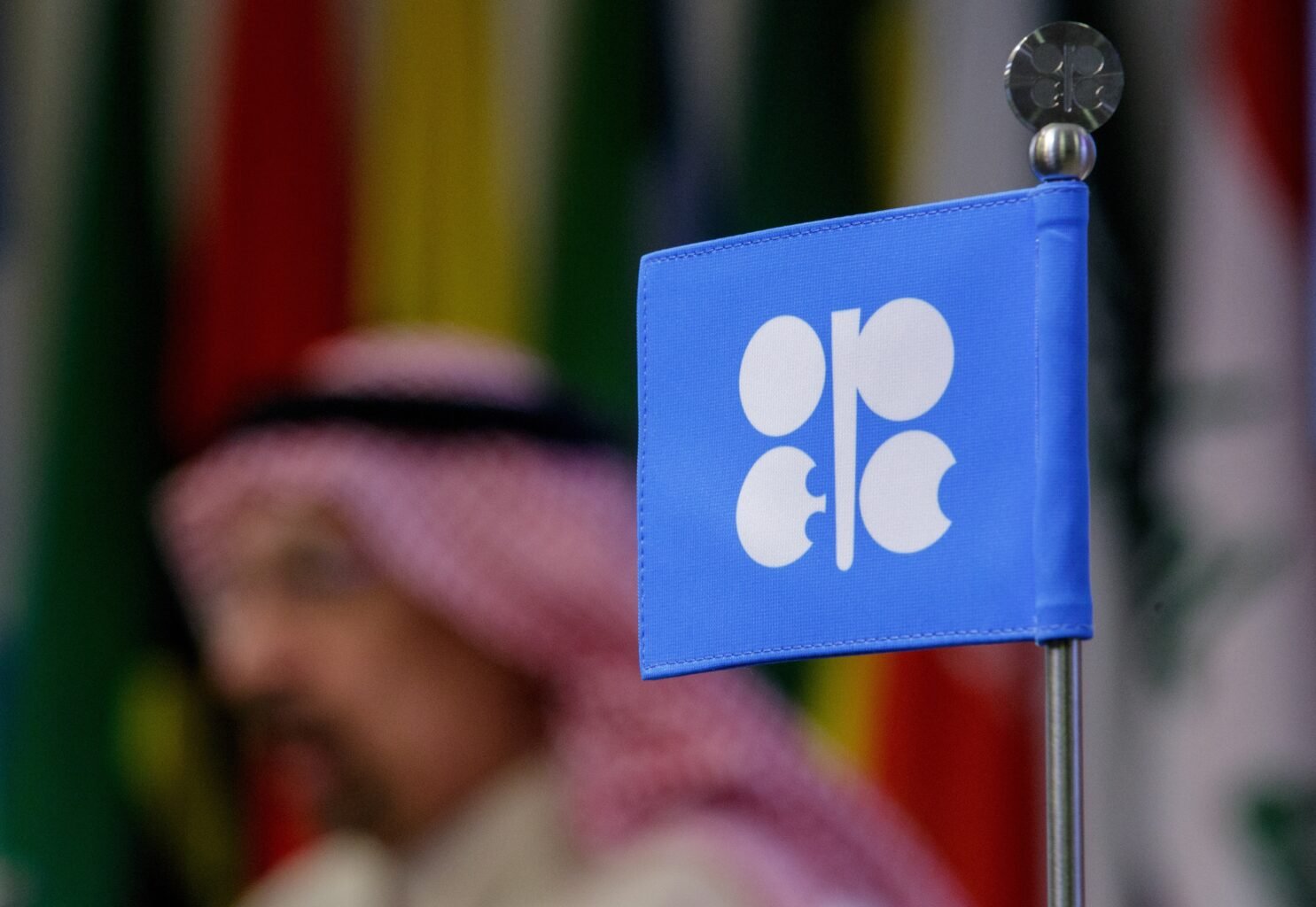
    Photo: EPA

    The exit of the UAE from OPEC as an occasion

    • The decision of the United Arab Emirates (UAE) to leave OPEC raises questions about the stability of markets, the future of oil production and prices at a time of growing global crisis. In the following text, “Nova Macedonia” from the briefing with several interlocutors selects conclusions that answered several questions that were opened by the exit of the UAE from the oil cartel

    The decision of the United Arab Emirates (UAE) to leave the Organization of Petroleum Exporting Countries (OPEC), announced on May 1, represents one of the most significant upheavals in contemporary energy geopolitics. The move comes at an extremely sensitive time, amid an escalating global energy crisis, further deepened by Iran’s blockade of the Strait of Hormuz. The official reasoning of the UAE is that it is a decision driven by the national interest and the need for greater flexibility in responding to dynamic market conditions. However, behind the diplomatically carefully worded messages looms a deeper transformation of relations within the global energy system.

    First, what does the UAE’s exit from OPEC mean?

    OPEC, which traditionally controls about a third of world oil production, has long functioned as a key mechanism for coordinating production and stabilizing prices. The exit of the UAE, one of the largest and most sophisticated producers, represents a serious blow to the unity of the cartel. This move signals a weakening of internal cohesion. It is particularly significant that the UAE has indirectly expressed dissatisfaction with other members, accusing them of insufficient support in times of security threats, especially in the context of Iranian attacks. In addition, the decision opens the door for other member states to consider a similar step. If a “domino effect” is created, OPEC may face a gradual loss of influence.

    Second, how will the UAE’s exit from OPEC affect oil production?

    With the exit from OPEC, the UAE gets full freedom to independently determine its production policy. This means that they will no longer be tied to the organization’s quotas. In practice, this can lead to increased production. The UAE already has significant capacities and has ambitions to expand them. Since they are positioning themselves as a reliable and competitive supplier, it is logical to expect that they will try to increase their market share. However, this also carries risks. If more producers start to follow the same strategy, there may be an oversupply, which will disturb the equilibrium of the market.

    What will happen to oil prices?

    In the short term, the exit news itself creates uncertainty – a factor that usually pushes prices up. In addition, geopolitical tensions in the Persian Gulf, particularly around the Strait of Hormuz, are already putting pressure on prices.
    But in the medium term the situation can develop in two directions:
    Increase in prices – if the crisis in the region deepens and oil transportation is further threatened.
    Falling prices – if the UAE and other producers increase supply above demand levels.
    In other words, the market is entering a period of high volatility.

    A new energy reality

    The decision of the UAE is not only economic but also strategic. It indicates a gradual abandonment of the model of collective management of resources and a transition to more individualized national policies.
    Globally, this could mean a reduced ability to coordinately stabilize markets, increased competition between producers, and a greater role for geopolitics in price formation. At the same time, the UAE is trying to position itself as a leader in “low-carbon” oil, a signal that the traditional energy sector is adapting to the energy transition.

    Regional Context: Cracks in the Gulf Alliance

    Statements by senior UAE officials reveal deep dissatisfaction with regional partners. Criticism of the Gulf countries for showing a weak political and military response to Iranian threats is indicative of broken trust. This could have several consequences, namely a weakening of regional security coordination, greater autonomy of individual states, and a potential realignment of alliances. Regional instability, on the other hand, directly affects global energy flows.
    Although it is too early to talk about the collapse of OPEC, it is clear that the organization is facing a serious test. Its relevance in the future will depend on the ability to adapt to new conditions. If it fails to maintain internal cohesion and offer a common strategy, it may gradually lose its role as a key player.

    The UAE’s exit from OPEC is more than an economic decision

    The UAE’s exit from OPEC is more than a technical change in production policy. It is a signal for a wider transformation – both in energy markets and in geopolitical relations. At a time when the world is facing energy uncertainty, such moves add to the uncertainty. But at the same time, they also open up new opportunities for more flexible markets, new partnerships and redefinition of the roles of key actors. However, no one can yet judge whether this will lead to a more efficient global system or even deeper instability. ER


    The UAE’s decision to leave OPEC also reflects a new relationship between the major powers

    • Abu Dhabi’s move opens up space to redefine relations with the US, Russia and China at a time of energy uncertainty

    The exit of the United Arab Emirates from OPEC is not only an internal energy decision, but also a move with clear geopolitical implications. At a time when the global oil market is under pressure from security risks and supply interruptions, such a decision directly affects the interests of the three largest global actors – the United States, Russia and China.

    1. For the United States, the UAE’s move could be interpreted as a potential strategic advantage. As a long-time security partner of Washington, the UAE, by leaving OPEC, gets more freedom to increase production and influence lower oil prices. It is in the interest of the United States, which traditionally advocates lower energy prices in order to stabilize inflation and the domestic economy. At the same time, this opens up space for deepening the energy cooperation between the United States and the UAE. Washington could see Abu Dhabi as a more flexible non-OPEC partner, especially in times of crisis when a quick increase in supply is needed.

    READ ALSO

    Former Arsenal star has almost nothing today: His wife left him and took his children, he lost his property

    Are Washington and London entering a new phase of (dis)agreements?

    2. On the other hand, Russia faces potentially negative consequences. As a key player in the wider OPEC+ format, Moscow relies on coordinated production curbs to keep oil prices higher. If the UAE starts producing more, it could put pressure on prices, directly affecting the Russian economy, which is heavily dependent on energy exports. In addition, this move could weaken the cohesion of OPEC+, where Russia has a significant role. A reduction in discipline within this alliance would limit Moscow’s ability to influence the global market.

    3. China, as the world’s largest oil importer, is in a different position. For Beijing, stable and diversified access to energy sources is most important. The UAE’s exit from OPEC could prove positive if it leads to more supply and more flexible contracts. At the same time, China has already developed strong economic ties with the UAE and is likely to seek to strengthen those relations. The UAE, freed from OPEC restrictions, could offer more favorable terms for long-term contracts, something China is actively seeking. However, Beijing will closely monitor regional instability. Any disruption to shipping through the Persian Gulf directly threatens China’s energy security.
    On a broader level, the UAE’s decision signals a trend of “decollectivization” of energy policy. Instead of coordinated decisions, states are increasingly guided by their own interests. This creates a new dynamic in which major powers will have to build closer bilateral relations with key producers. In that context, the UAE positions itself as a “swing” actor, which means “a state that can balance between different geopolitical power centers.” It is this flexibility that can give them significant influence, but also put them in a position of constant pressure from the great powers. In conclusion, the exit from OPEC does not mean only a change in the UAE’s energy strategy but also a redefinition of its role in global politics. For the USA it is an opportunity, for Russia a challenge, and for China it is a new, pragmatic chance. But for all together, it is a signal that the world energy order is entering a new, more uncertain phase. ER



    Source link

    Related Posts

    Former Arsenal star has almost nothing today: His wife left him and took his children, he lost his property
    North Macedonia

    Former Arsenal star has almost nothing today: His wife left him and took his children, he lost his property

    May 7, 2026
    Are Washington and London entering a new phase of (dis)agreements?
    North Macedonia

    Are Washington and London entering a new phase of (dis)agreements?

    May 7, 2026
    Dimitrievski asks where the famous USB is: What did Pendarovski, Kovacevski, Ahmeti and Grubi agree on for Gruevski’s return?
    North Macedonia

    Dimitrievski asks where the famous USB is: What did Pendarovski, Kovacevski, Ahmeti and Grubi agree on for Gruevski’s return?

    May 7, 2026
    Trial for “Pulse”: Dejan Jovanov’s lawyer made a proposal for the necessary exclusion of the public
    North Macedonia

    Trial for “Pulse”: Dejan Jovanov’s lawyer made a proposal for the necessary exclusion of the public

    May 6, 2026
    GALLERY | “Jane” believed in a miracle and was ready to erupt, Vardar deservedly finished the European episode
    North Macedonia

    GALLERY | “Jane” believed in a miracle and was ready to erupt, Vardar deservedly finished the European episode

    May 6, 2026
    Statements of unavailable witnesses read: Court continues with “Pulse” case
    North Macedonia

    Statements of unavailable witnesses read: Court continues with “Pulse” case

    May 6, 2026
    Next Post
    Odžić: The wishes of the NSD, the DNP, the Democrats and “Manda’s wing” of the PES are empty, the citizens recognized their dishonorable intentions

    Odžić: The wishes of the NSD, the DNP, the Democrats and "Manda's wing" of the PES are empty, the citizens recognized their dishonorable intentions

    POPULAR NEWS

    Justin Bieber fans flood Coachella festival for headlining show – Entertainment

    Justin Bieber fans flood Coachella festival for headlining show – Entertainment

    April 20, 2026

    Over 600 flee homes as Army, NPA clash in Negros Occidental

    April 21, 2026

    Ex-DPWH exec recalls P800-M ‘delivery’ to Zaldy Co 

    April 20, 2026

    Former PM Paluckas suspends party membership, to waive immunity over criminal probe

    April 24, 2026
    Pres. Ali challenges CARICOM to transform into health research powerhouse

    Pres. Ali challenges CARICOM to transform into health research powerhouse

    April 23, 2026

    EDITOR'S PICK

    Nauru International Airport, Yaren, Nauru MinuteCast(R) Weather

    Nauru International Airport, Yaren, Nauru MinuteCast(R) Weather

    April 25, 2026
    Reviewing the UNC government’s first year in office

    Reviewing the UNC government’s first year in office

    April 25, 2026
    Missing Link Candidate Seeks Entry in St John’s Rural West Race

    Missing Link Candidate Seeks Entry in St John’s Rural West Race

    April 11, 2026
    Dating careers: Why the job plays a big role when choosing a partner

    Dating careers: Why the job plays a big role when choosing a partner

    April 23, 2026

    Recent Posts

    • The use of artificial intelligence in justice can put the rights of the accused at risk, says specialist
    • The trail of the company linked to the Aremca scandal, which in audio is accused of ‘eating money’ from royalties; link appears with UNGRD case
    • The inhumanity of the human
    • President of Aneaes maintains that Hernán Rivas is not a lawyer: “No one believes that” – Politics

      © 2026 Agentially - Navigating shifting sovereignties and global risk .

      Welcome Back!

      Login to your account below

      Forgotten Password?

      Retrieve your password

      Please enter your username or email address to reset your password.

      Log In
      No Result
      View All Result

        © 2026 Agentially - Navigating shifting sovereignties and global risk .

        This website uses cookies. By continuing to use this website you are giving consent to cookies being used. Visit our Privacy and Cookie Policy.