Of 872 requests for the construction of projects by the Departmental Development Councils (Codedes), 308 They have the endorsement for its execution by the entities in charge of the process, according to data provided by the Secretariat for Executive Coordination of the Presidency (SCEP), which monitors these projects.
The number of applications approved so far in 2026 contrasts with the figures for the same period in 2025. In the same period last year, 1,042 applications had been registered, of which 1,012 were approved. Most of the works approved by the Codedes in the country during this year are rural roads, streets and schools.
According to the head of the SCEP, Víctor Hugo Godoy, controls have begun to be implemented that were agreed upon at the end of last year between the Executive and mayors of different localities, in the absence of adequate measures for the execution of projects in accordance with Decree 7-2025, which contains the Law for the Financial Strengthening and Continuity of the Projects of the Urban and Rural Development Councils, known as the “express” spending law for the Codedes.
“It is to prevent the works from lacking supervision, studies and guarantees at the time they are executed. This allows reducing risks or eventualities that could prevent the works from presenting any inconvenience,” he indicated.
Until now in April, there are a total of 872 applications for the construction of 760 projects carried out by the Codedesaccording to information from the SCEP that is also verifiable in the Electronic System for the Administration of Development Council Project Processes (Siprocode) of the entity. Of the total, 308 have received endorsement from the corresponding entities; 83 are under analysis; 86 are in the correction phase; 260 are registered; 127 are not received and 8 have been rejected.
Works with greater demand
Of the 872 project applications submitted so far by the Codedes, Five types of projects are in greatest demand: rural roads (252), construction of primary schools (136), streets in rural areas (184), drinking water systems (89), and sanitary sewage systems (59).
Regarding the 308 works that have received endorsements93 correspond to rural roads; 113, to streets in rural areas; 30, to drinking water systems; 26, to primary schools; 17, to sewage systems; 9, to vehicular bridges; 2, to basic institutes; 2, to stormwater systems; 2, to wastewater treatment systems; 1, a bilingual primary school; 1, to infrastructure for school libraries; 1, an isolated solar energy supply source system; 3, to water storage or collection tanks, and 1, to infrastructure for collection, classification, treatment and final disposal of solid waste.
The information provided indicates that the Ministry of Communications, Infrastructure and Housing (CIV) has provided the largest number of guarantees until April, with 178. Of these, 87 correspond to rural roads; 85, to streets in rural areas, and 6, to vehicular bridges.
The Ministry of Environment and Natural Resources (Marn) has endorsed 62 projects: 23 for streets in rural areas; 8 drinking water systems; 8 primary schools; 6 sanitary sewage systems; 5 rural roads; 2 vehicular bridges; 2 for pre-primary schools and an endorsement for stormwater systems, water treatment systems, bilingual primary school, infrastructure for school libraries, basic institute, isolated systems of solar energy supply sources, multi-purpose buildings and water collection tank.
The Ministry of Public Health and Social Assistance (MSPAS) has endorsed 39 projects: 19 drinking water systems; 11 sanitary sewer systems; 2 primary schools and the same number for water storage and collection tanks. In addition to stormwater systems, wastewater treatment systems, a pre-primary school and a structure for the collection and final disposal of solid waste, with an endorsement for each project.
The Ministry of Education has endorsed 18 projects: 15 primary schools, 1 pre-primary school, 1 basic institute and 1 telesecundaria institute. The remaining 11 endorsements by the National Council of Protected Areas (Conap): 5 for streets in rural areas; 3 for drinking water systems; and 1 for primary school, rural roads and vehicular bridge, respectively.
Fewer projects than in 2025
The number of projects endorsed in 2026 by state entities It contrasts with the guarantees issued in the same period of 2025, when 1,012 of a total of 1,042 applications were approved for works carried out by the Codedes.
This is because currently the files of each project are reviewed in detail with the support of the SCEP, the Secretariat of Planning and Programming of the Presidency (Segeplan) and the Ministry of Public Finance (Minfin), before being sent for endorsement. With this, an adequate evaluation is carried out and the expiration of the five-day period is avoided, as well as the automatic approval of the projects through the so-called “administrative silence”, as stipulated by the Codedes law, which also prevents irregularities or incorrect formulations, indicated the SCEP.
Project quality and lack of sustainability
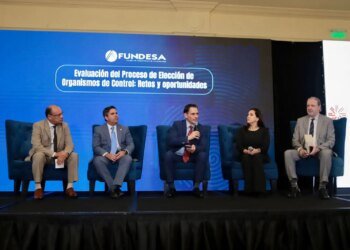
According to Delfino Mendoza, infrastructure expert at the Foundation for the Development of Guatemala (Fundesa)one of the most worrying aspects of the projects developed in the interior of the country by the Codedes is the lack of maintenance, which quickly dilutes the impact of the works and their investment.
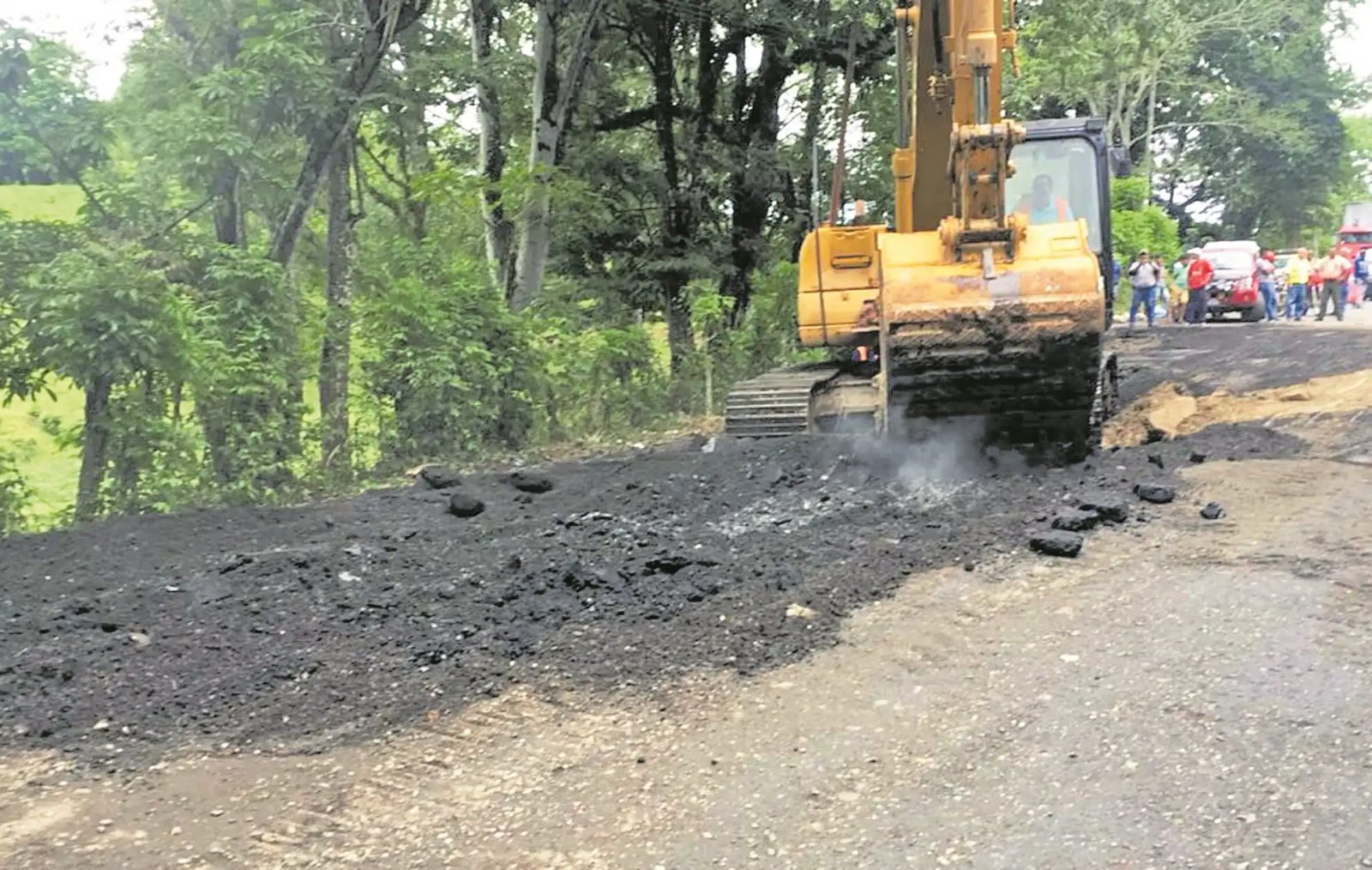
“There is no maintenance planning for the operation of the projects and then we see how after two, three years the projects are practically destroyed. If they are not maintained in the following winter, they deteriorate because they are roads with low specifications,” he says.
It also indicates that the tendency to execute small-scale projects responds more to specific demands of the residents than to comprehensive planning with an impact on development.
“We see paving projects of 600 meters, of one kilometer. In other words, they are micro projects that many times are more to meet a, let’s say, very specific requirement of a community and to keep them happy, but it is not something that is going to change the lives of the populations,” he points out.
Mendoza too considers the increase in resources assigned to the Codedes this year a risk and warns that “if before a smaller budget could not be executed, now the risk of accumulating unexecuted resources is greater.”