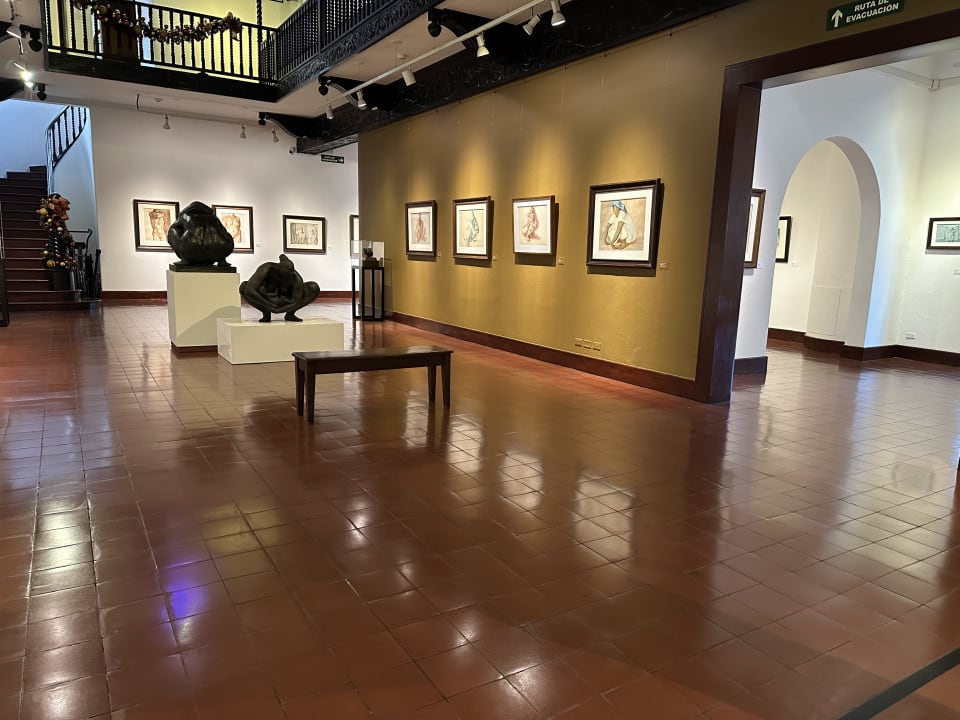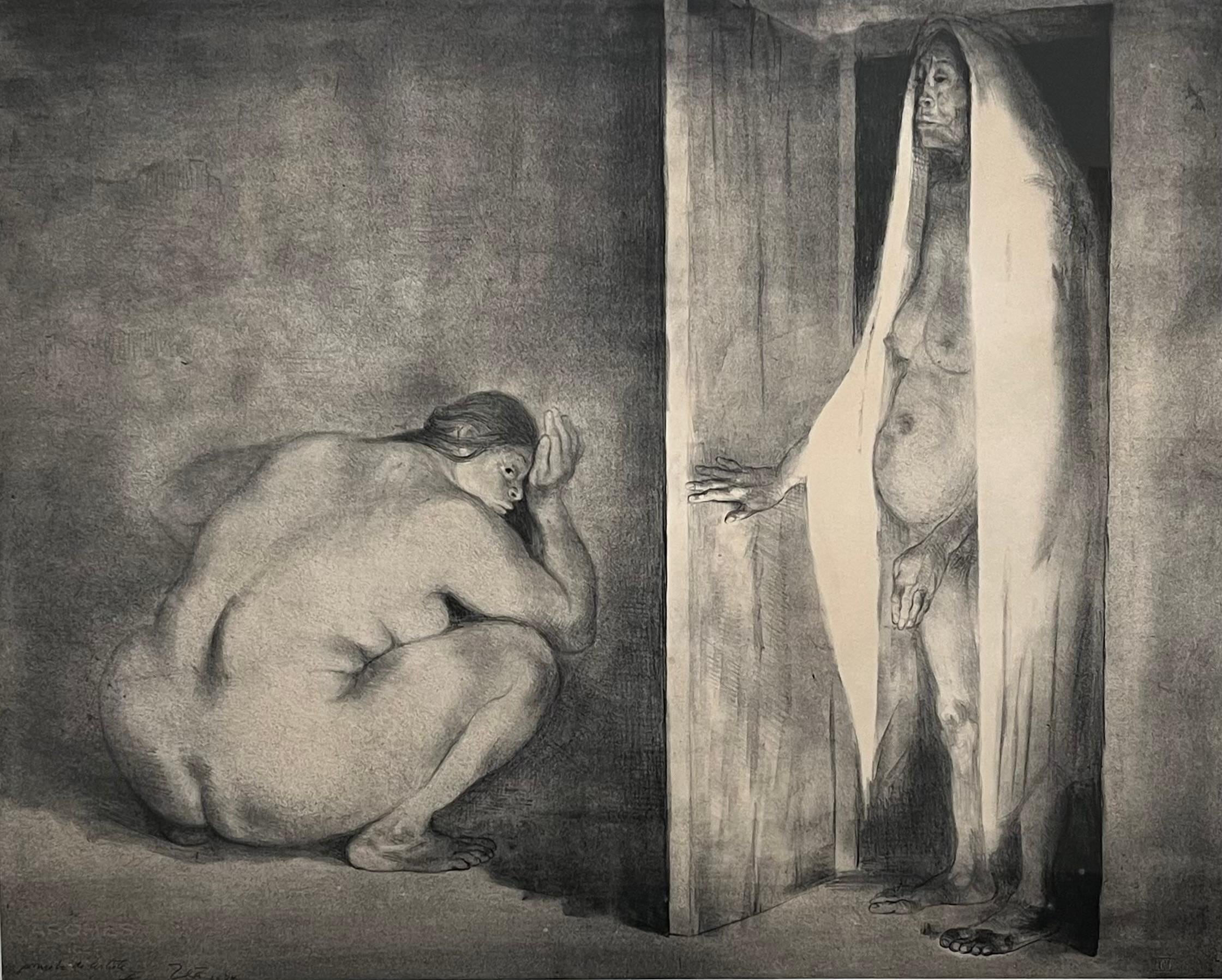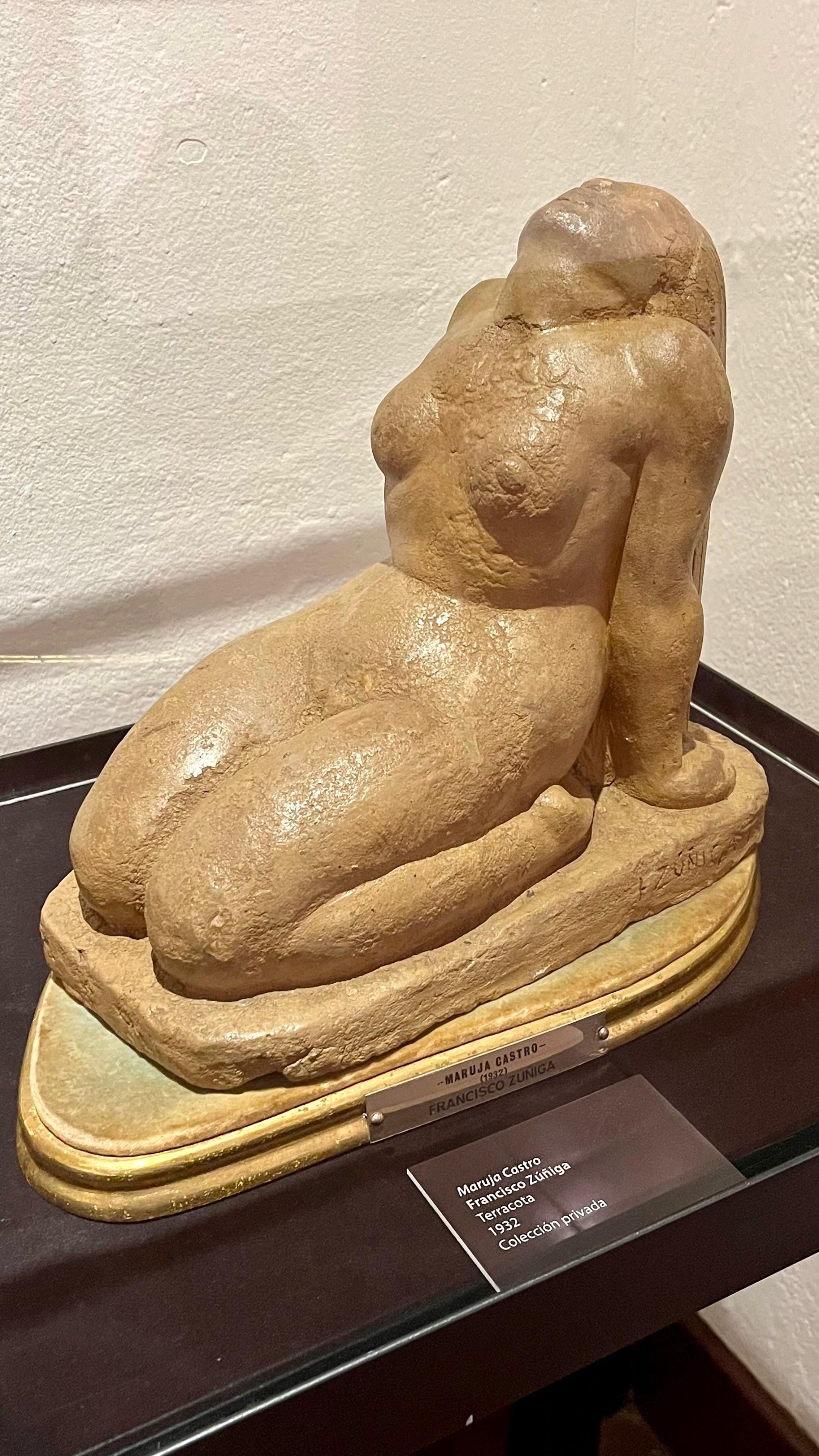
From time to time it happens that, when visiting a museum, you have to slow down for a moment. It is when you feel that a work is observing you: that a piece was waiting to speak to you. Recently, it happened to me in Body and permanencethe retrospective dedicated to Francisco Zúñiga at the Museum of Costa Rican Art (MAC). The collection of works speaks so much that you have to stop every now and then.
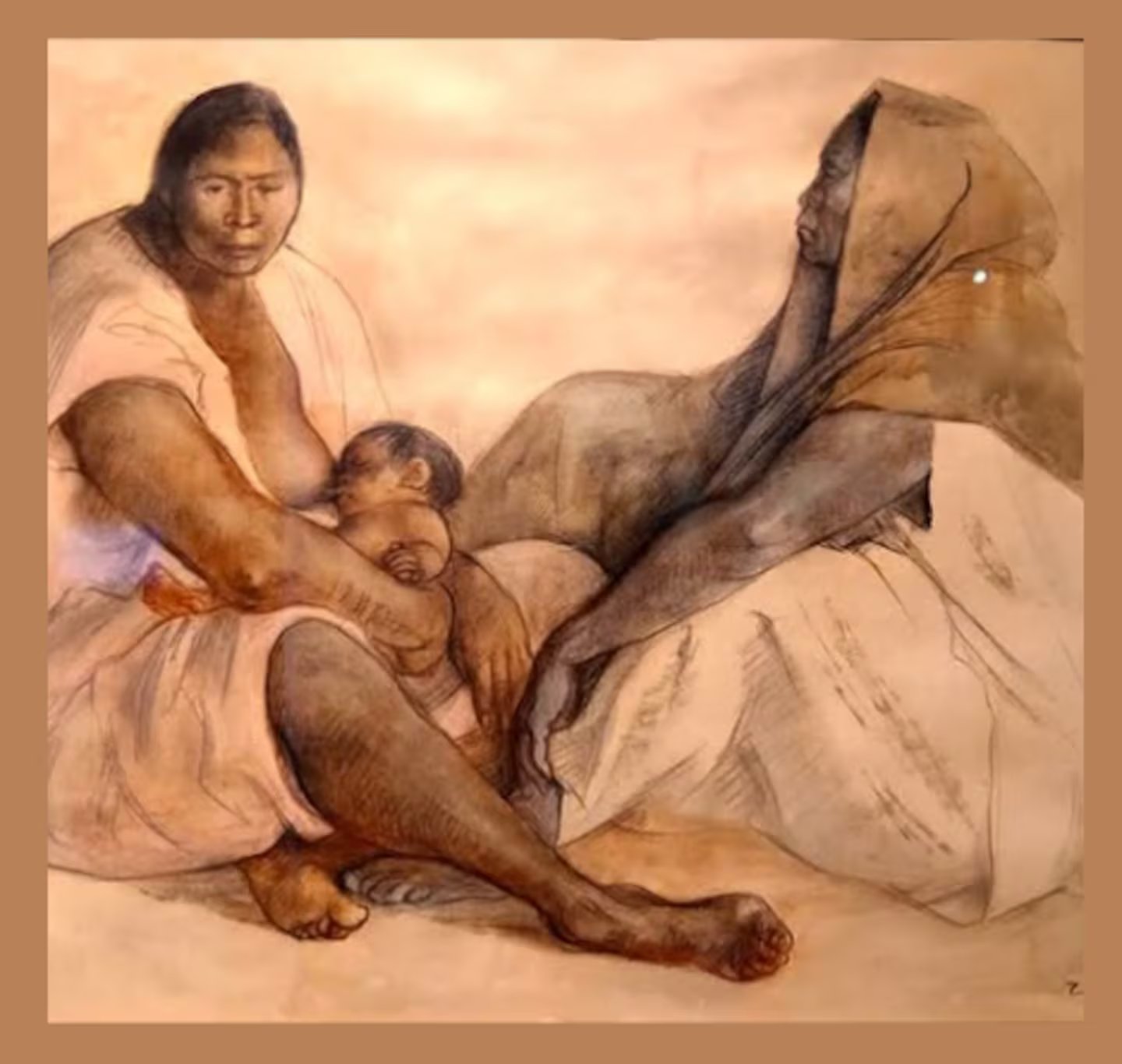
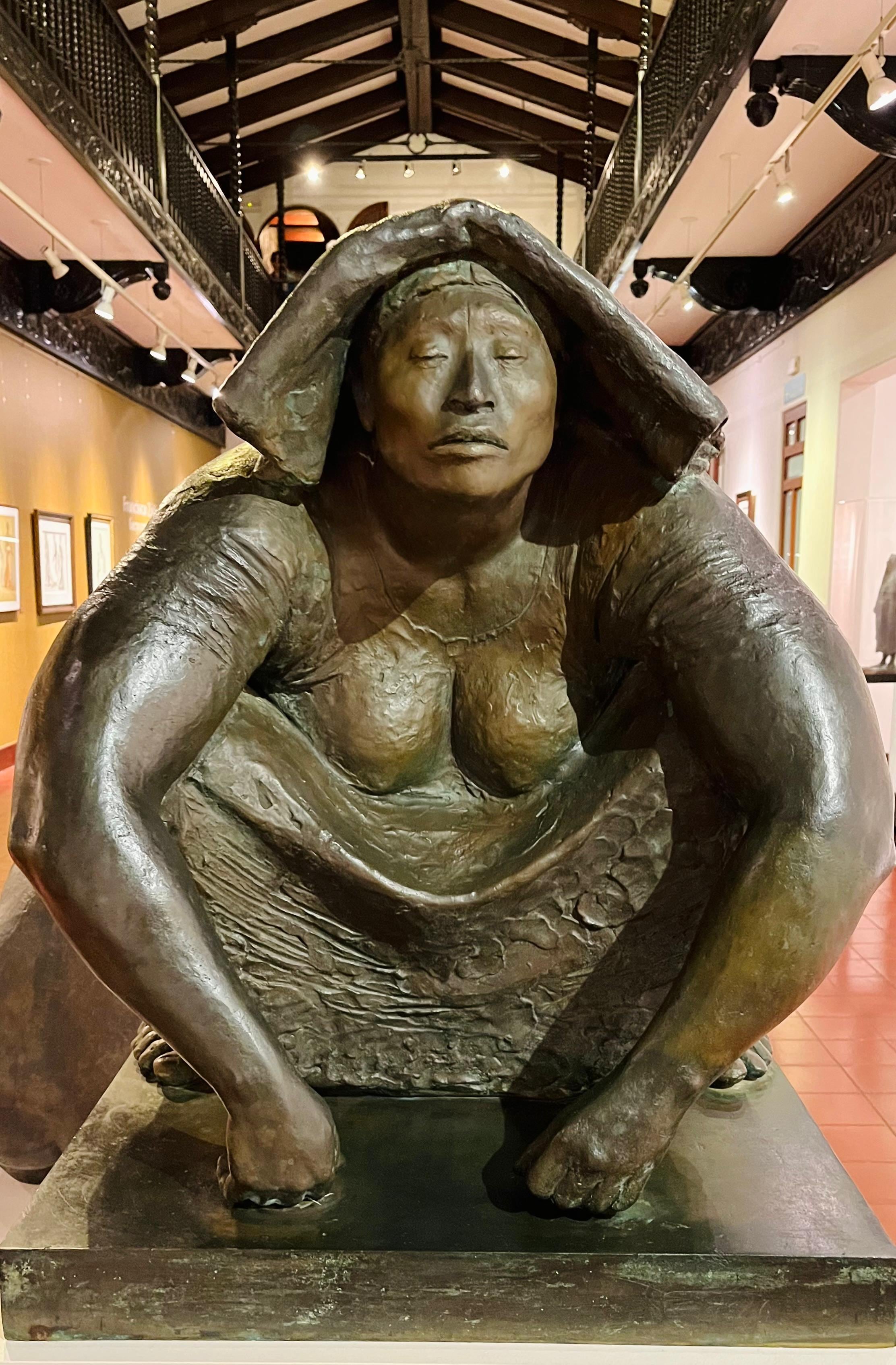
Of course, there is nothing new in saying that Paco Zúñiga (1912-1998) was a great artist, and if you need to be convinced, just look at his forceful women for a while – sometimes hieratic, sometimes sensual. Seeing so many gathered at the MAC constitutes, oddly enough, an exceptional event that has been awaited for 40 years.
Body and permanence (until April 29), curated by Esteban Calvo Campos and Ericka Solano Brizuela, brings together pieces from the MAC collection and private collections; Considering the costs of securing and transporting works such as sculptures and others, many in Mexico and other countries, it is almost miraculous to be able to gather this amount in a state museum, although some recent exhibitions have managed to bring together works of excellent quality.
The advantage here, of course, is to compare and follow a narrative that, for Calvo, updates and renews interest in Zúñiga. “There will always be ways of looking, ways of interpreting, ways of exhibiting (the great masters),” says the former director of the museum.
“In the case of this exhibition, it is of a quantity of work that we knew only from catalogs, from books, since much is in private hands. We put it together on this occasion, but even this is not going to happen again for a long time, I don’t know if, say, another 40 years,” considers Calvo.
In search of Francisco Zúñiga
Born in Costa Rica, Zúñiga began his career in the country, searching for his own language that he would consolidate in Mexico starting in 1936. There he found an artistic medium in full swing, which appreciated his approaches to the female figure, especially that of communities that were still moving towards an eclectic modernity such as Mexico today.
“We didn’t really want to reinforce the idea that he was already a master when he left here (as was shown in the 1985 MAC exhibition, only with work made in Costa Rica), but rather to show the emergence, the consolidation of an important artist,” says Calvo. “He is an artist of international stature, Latin American.”
As with everything, over the years some ideas were fixed such as that he had left out of “resentment” or that there is a Tico Zúñiga and a Mexican one. According to Calvo, in the conversations with his son Ariel he found a more nuanced relationship, more of a Tico transplanted to Mexico who preserved many customs from here, but who also found a different inspiration there.
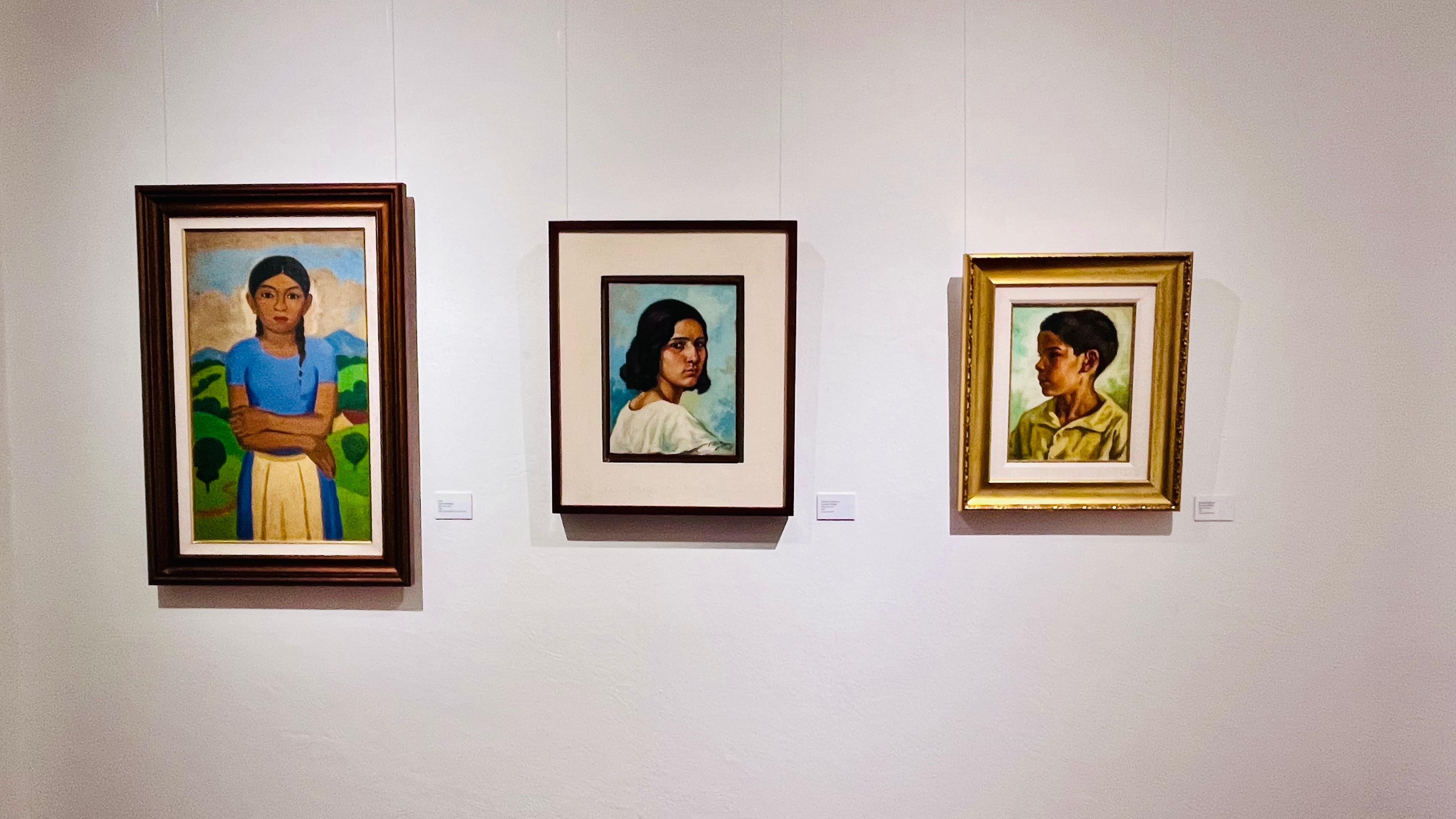
What coincidences or findings were there when contrasting those pieces created in Costa Rica and those from Mexico? “There are many. From formal relationships, such as elements that have to do with the composition that we see in drawings or early paintings that we will later see in sculptural work,” explains the curator.
“And then, between elements that are similar or distant, which has to do with the color palette. The works made in Costa Rica have what we could call a tropical light, a tropical color, which fades when it reaches Mexico. The works in Mexico begin to have fairly uniform tones, smaller palettes, many close to earthy tones,” he considers. “I think the impact of that desert terrain makes you see a different color and light.”
Likewise, although the female figure appears early in its creation, the indigenous and mestizo iconography does not appear with such clarity until the 1940s, when it is consolidated as its personal hallmark.
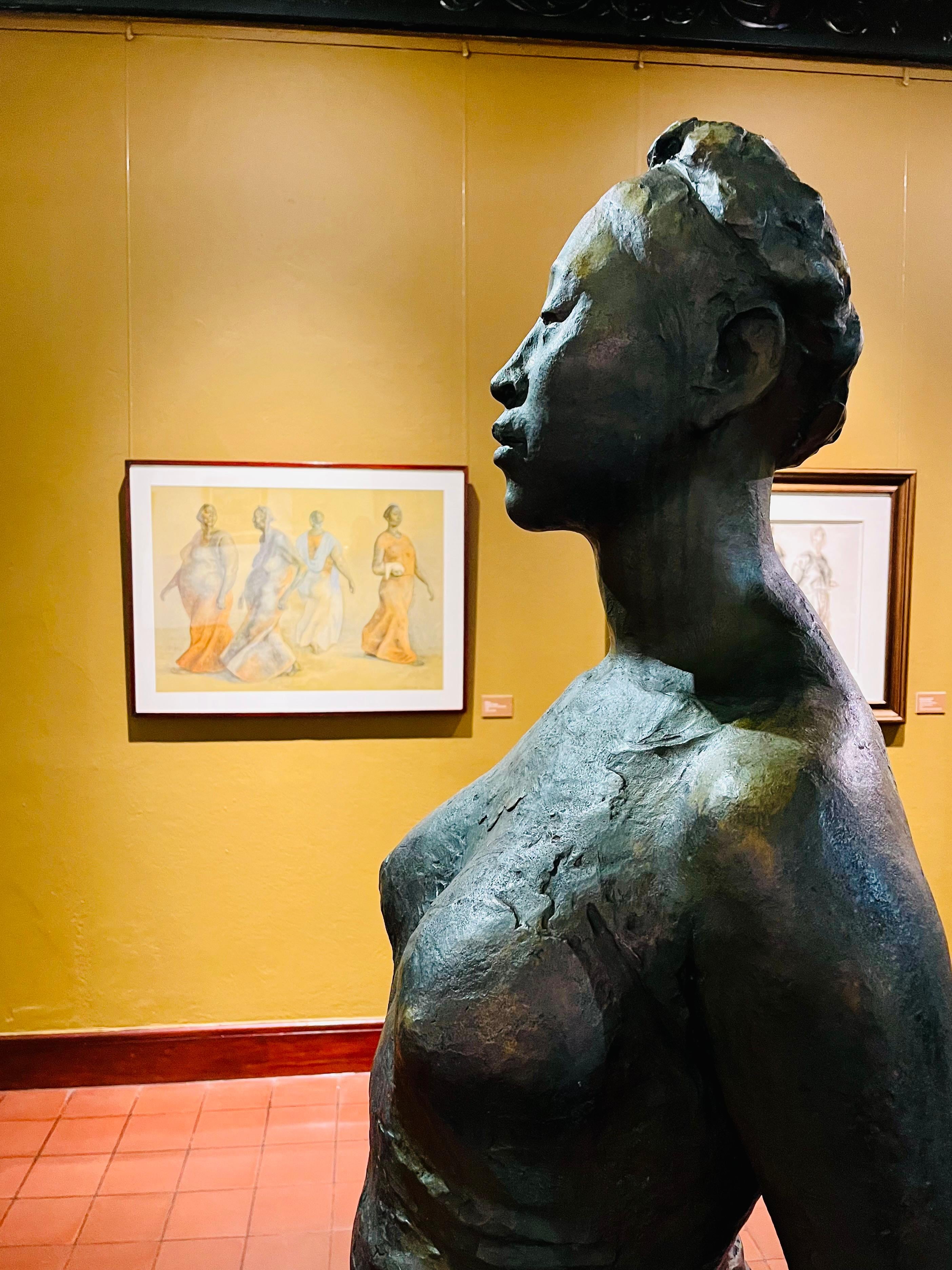
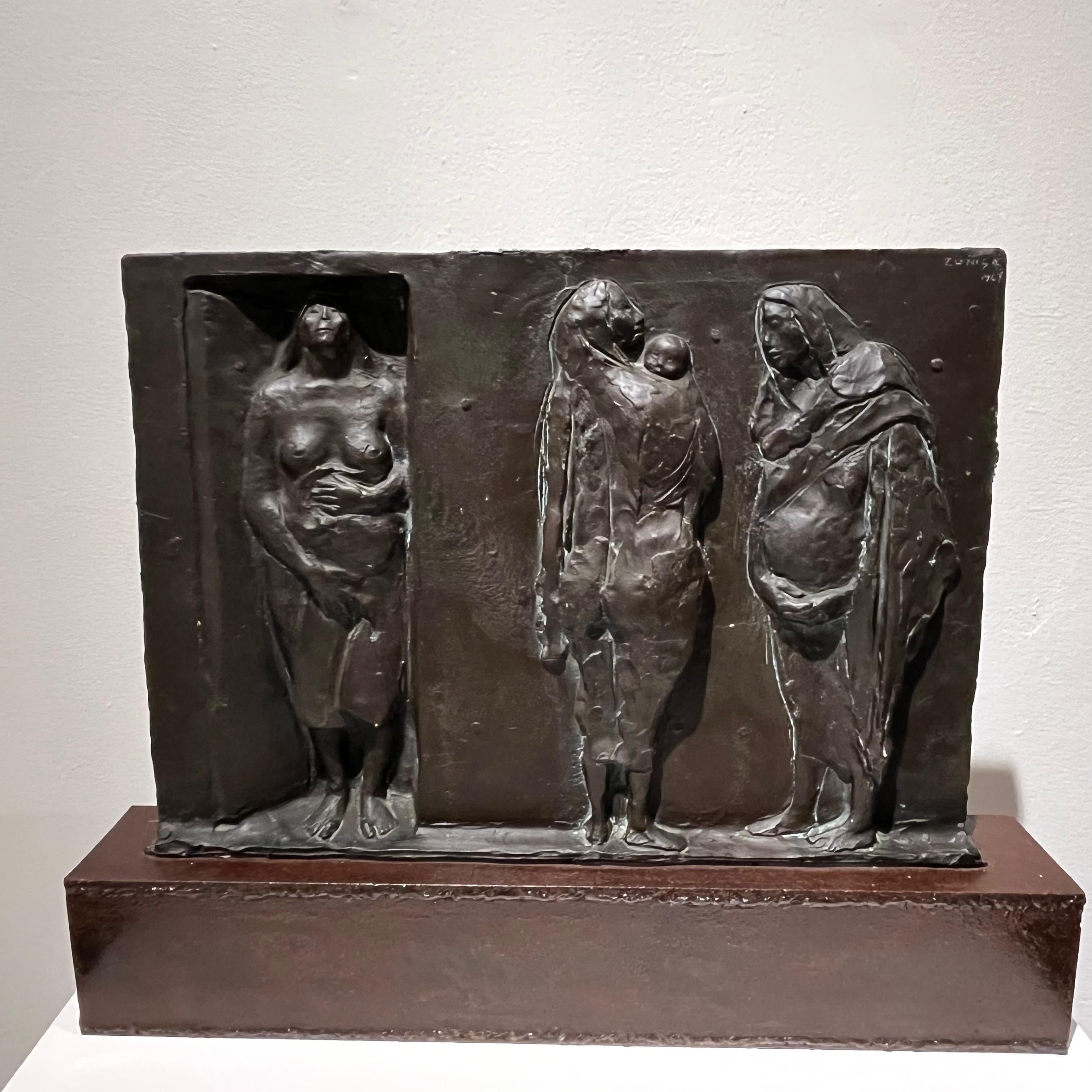
“Upright women, women in the window, are from early works in Costa Rica that we will see in later works. One of the pieces that greets the viewer, which is part of the museum’s collection, are the Three Women Walking, which is a repeated resource within his production, working with ages, always from the point of view of dignity,” describes the specialist.
In that sense, women are protagonists in the exhibition; Throughout the rooms, they emerge as characters of indelible vivacity, different from each other, suggestive of an internal life and, at the same time, archetypes from different landscapes.
As the curatorial text explains, “through the monumentality of his figures, the sculptor gives weight to corporality and greatness to the human gesture, transforming it into a sign of universality that transcends times and cultures.”
Opportunities to meet Zúñiga
In Mexico, Francisco Zúñiga had the opportunity to participate in a rich artistic environment, but also opportunities to create public works and commissions on a larger scale than those he could have had in our country. This meant an increasingly firm placement in a cultural panorama that benefited its international position.
In this way, his work began to be sold and disintegrated, both in Latin American collections and pieces placed in the United States, Europe or Japan. This is why many of his largest works have not necessarily been exhibited to the public, and even less so here in Costa Rica, although several significant pieces have remained in local collections.
For Calvo, that was even one of the learnings from the production process of the work. With changes in collecting trends and interest in types of art, national collectors now lean more toward themes than artists; In anything, those who had Zúñiga pieces will now change, little by little, like everything else.
Perhaps that also means another opportunity to see the great Costa Rican-Mexican artist in another way. Francisco Zúñiga is one of those giants whose own shadow can obscure him. If I already know he’s great, what can I go to an exhibition of him to learn? Well, because he is who he is. To tour the Museum of Costa Rican Art these days is to feel something very direct, very clear: what a great drawing, what a great painting, what a great sculpture.
But any admiration, to be worthwhile, must be complicated, and the same thing happens with Zúñiga’s figures. Nothing is so simple. The advantage is that we have time to discover it in the museum.