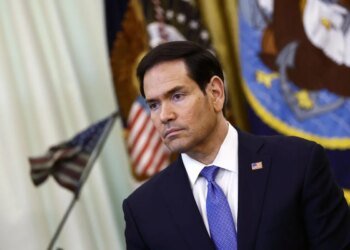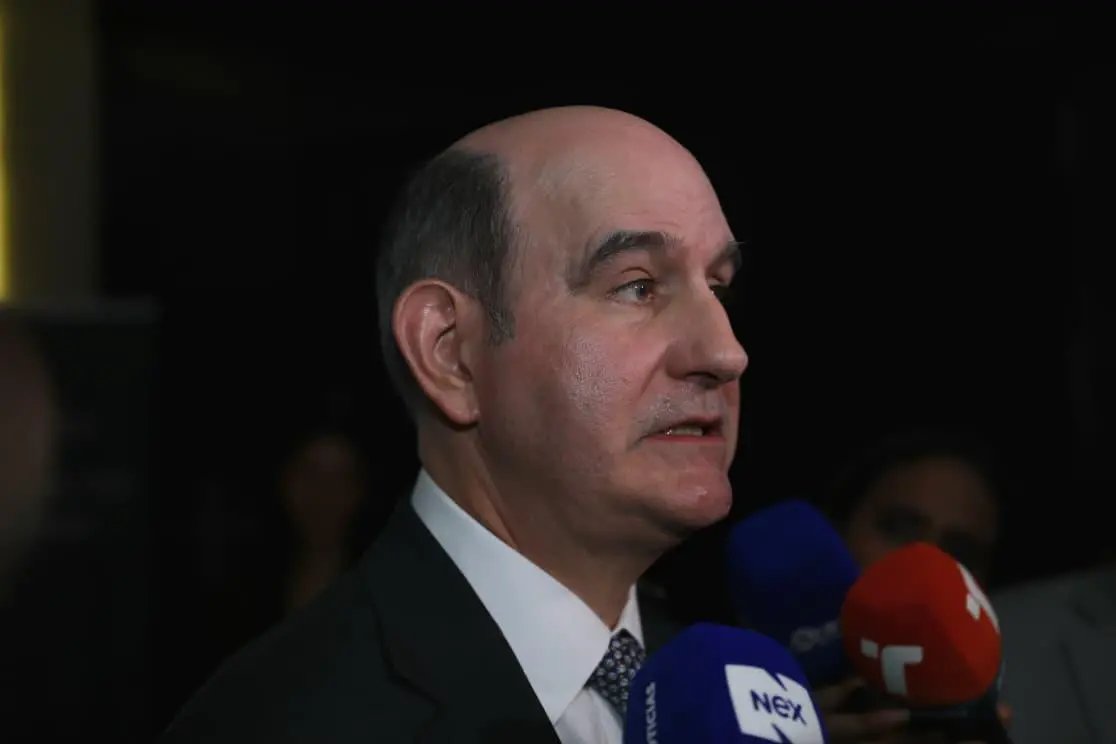
The Minister of Economy and Finance, Felipe Chapmandefended this Tuesday, May 5, the urgency of approving the bill of economic substance, ensuring that, far from harming the business sector, the regulations seek to eliminate international sanctions and reduce operating costs for companies established in the country.
During his speech at Cavex, Chapman explained that the law responds to a direct request from the multinationals themselves.
“Those who are present and those who want to come to Panama have asked that the country issue legislation of this nature,” said the head of the Ministry of Economy and Finance (MEF), recognizing that the country is late in adopting this global regulation.
The concept of economic substance seeks for legal companies operating in Panama to demonstrate a real presence.
According to the minister, this implies:
1. Have a physical structure, even if it is small.
2. Generate local jobs.
3. Report real operating expenses in the country.
“What we are looking for is that companies are not just made of paper,” emphasized the MEF minister.
Regarding the 15% tax proposed for companies that do not demonstrate said substance, Chapman clarified that it is a global standard that will encourage companies to make tangible investments in Panamanian territory to comply with the requirements.
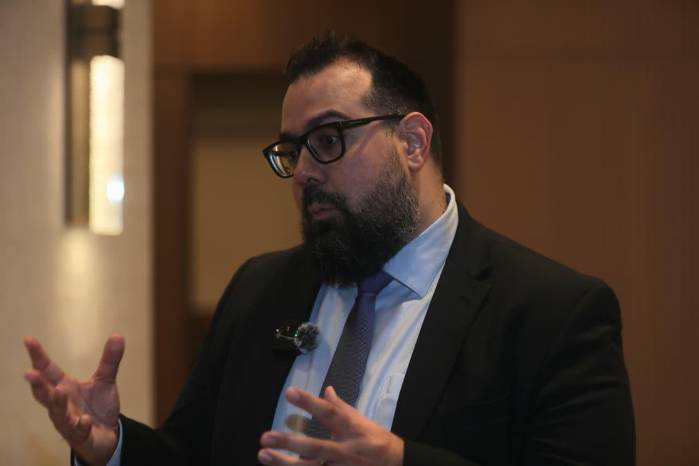
Erick Molino, economist
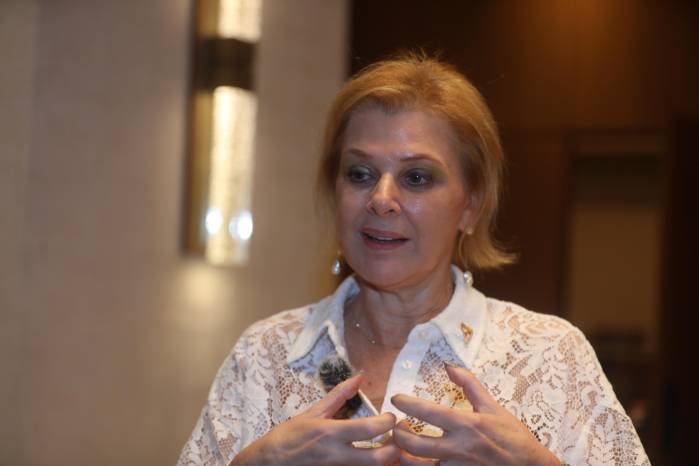
The president of Apede, Giulia De Sanctis.
One of the primary objectives is the removal of Panama from the lists of the European Union.
Chapman explained that European organizations carry out reviews in October and February.
“The ideal would be that in the October review we manage to get off that list. If we don’t achieve it in October, I am very confident that it would be no later than February”predicted the minister, although he warned about the bureaucratic slowness of international organizations.
Chapman pointed out that in these negotiations, Panama’s fiscal territoriality is a “non-negotiable” point.
The president of the Panamanian Association of Business Executives (APEDE), Giulia de Sanctisand the economist Erick Molino They agreed that the approval of the bill on economic substance is essential for Panama to get off the European Union blacklist and strengthen its attractiveness as an investment destination.
De Sanctis pointed out that the initiative is “necessary for the country” and highlighted that the MEF has maintained a dialogue with business associations on key aspects such as the concept of multinational, the definition of economic substance and applicable taxes.
He stressed that the standard must be aligned with the parameters of the European Union (EU), but also respond to local needs: “The EU establishes basic principles, but it is up to the country to define the details of the regulations”.
For his part, economist Molino emphasized that Panama’s permanence on the list of tax havens has been an obstacle to attracting foreign direct investment.
He explained that the challenge is to raise international standards without losing sight of the principle of territoriality, preventing it from being used as an excuse to create structures without real operations.
“The economic substance must be demonstrated with physical presence, hiring of personnel and generation of added value, not as a tax evasion mechanism”he stated. Molino added that the approval of the law will allow the country to move towards joining the OECD and improve its international reputation.
Carlos Berguido, executive president of the Banking Association of Panama, for his part, mentioned that they are reading the proposal to have comments and observations for Minister Chapman.
”We are in the process of understanding the content of the law and its impacts, which requires more careful study,” said Berguido, who announced that they do plan to participate during the debate process.