Miami/The last dictator that Colombia suffered was General Gustavo Rojas Pinilla, one of the few leaders in history who renounced power, in 1957, thus beginning a process towards democratic alternation that, despite the imperfections, places the country among the oldest nations, only after Costa Rica, which hold periodic, plural and secret general elections.
A very interesting piece of information about the three countries that emerged from regimes of force in the late 1950s, Colombia, Venezuela and Cuba, is that only the first has been able to sustain democratic coexistence thanks to its institutions and the population, which is why it has managed to control the dictatorial pretensions of more than one leader.
It is true that Colombia is not the most stable republic nor where the standards of justice are most respected. Furthermore, it has suffered a political subversion of epic proportions and, what is probably worse, it suffers like no other from the scourge of drug trafficking, with everything that is derived from that activity, factors that negatively influence social peace, hinder progress and lend themselves as a breeding ground for systemic ungovernability.
The population has had the opportunity to elect their rulers, to be wrong or right in their choice.
However, its political leaders have honored electoral commitments. The population has had the opportunity to elect their rulers, to be wrong or right in their choice, a benefit that the Venezuelan people lost in 1998 when they voted for Hugo Chávez as president, despite his coup record, as a subject who did not respect democracy. Likewise, Cubans cheered Fidel Castro in the streets, believing in a renewed epiphany.
Coup plotters and official conspirators in a society that respects electoral alternation do not believe in freedom of choice. Those who resort to violence to achieve power in a plural society governed by democracy – the worst form of government, except for all the others, according to Winston Churchill – are very likely to seek to perpetuate themselves in it.
I address this topic because Colombia, next May, is risking its future without finding itself in the Shakespearean dilemma of voting or not voting. They have to vote, because if they don’t, the person who least represents the popular will may be elected.
Voting is a serious commitment. It is a civic exercise that guarantees us freedom and respect for our rights if we get it right; On the contrary, making a mistake, whether due to laziness or pure indolence, can transform our lives into hell.
They have to vote, because if they don’t, the person who least represents the popular will may be elected.
All elections are important, but some can be more important than others and this is the case of the Colombian elections. Chileans recently found themselves at a similar crossroads: they had to choose between a right-wing candidate, José Antonio Kast, or the communist Jeannette Jara. In my opinion they took the best path, because I consider that the communist and socialist experiences have been resounding failures that inevitably lead their own voters to the loss of rights and the most merciless misery.
The candidates with the greatest options in the next Colombian elections represent very opposite options.
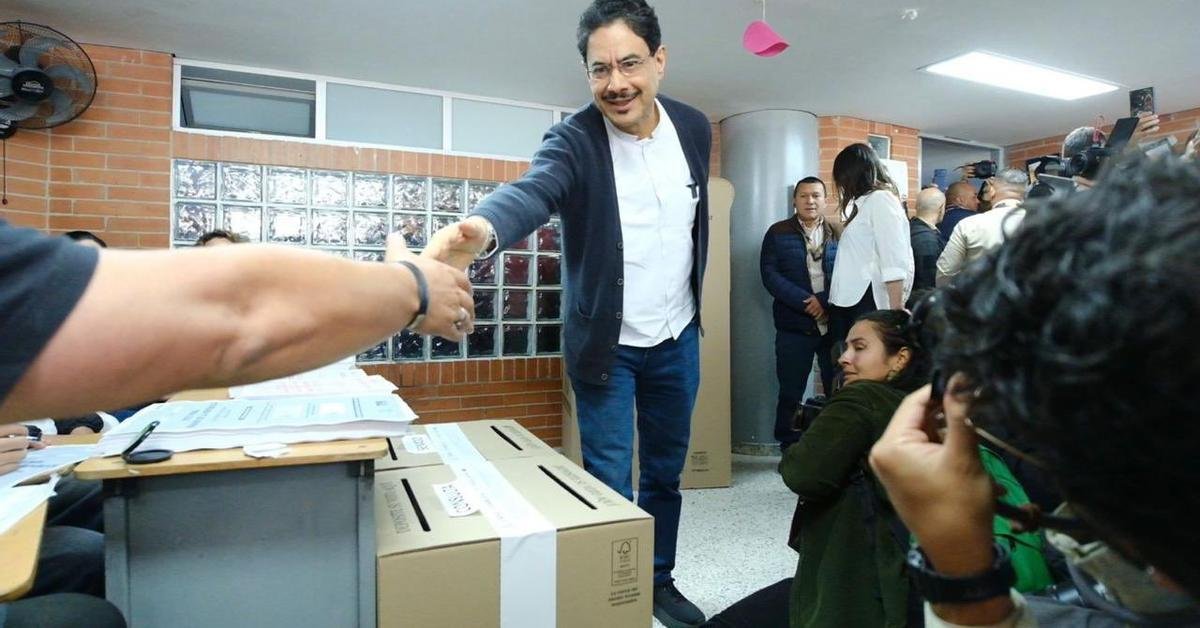
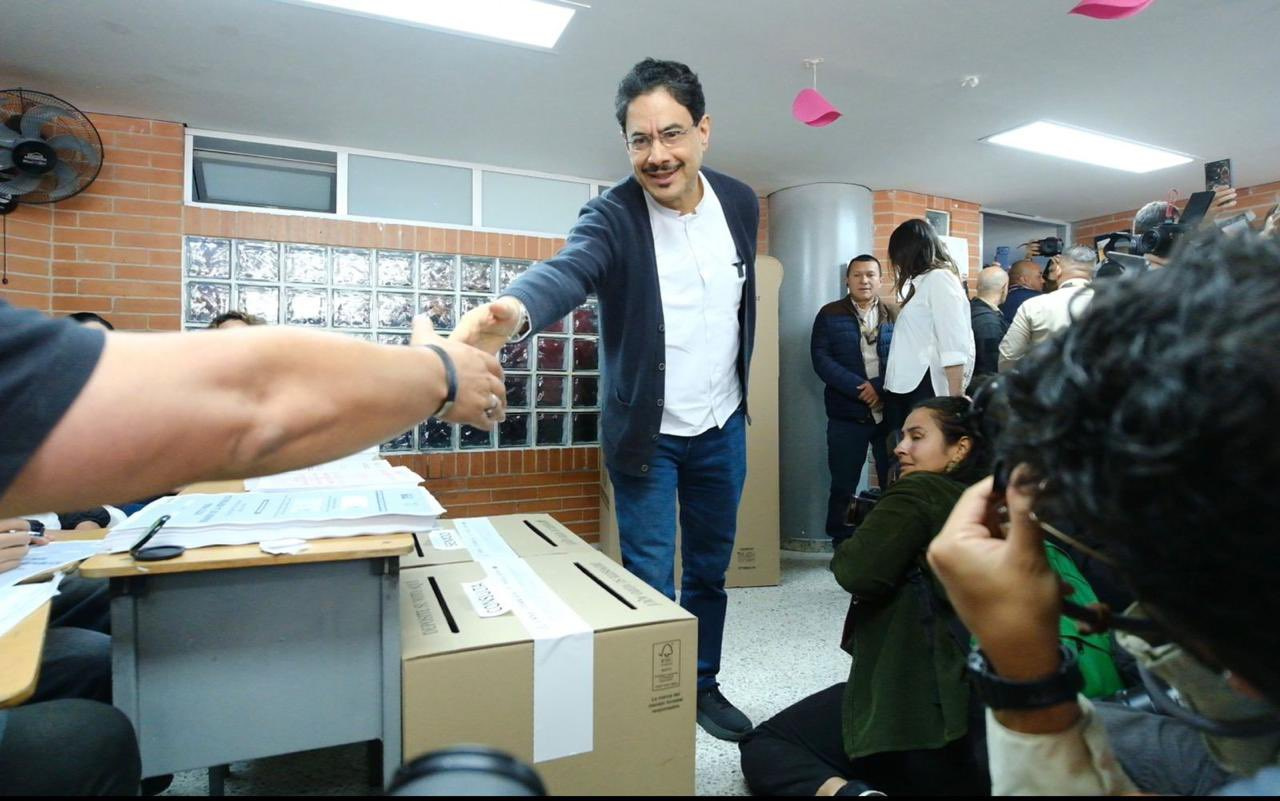
Iván Cepeda, a figure on the political left, represents the Historical Pact, a group that brought Gustavo Petro to the presidency, who, according to the Colombians I know and what I have read, has governed disastrously.
Cepeda, senator of the Republic who served, in 2012, as facilitator of the Peace Agreement between the government of Colombia and the guerrilla of the Revolutionary Armed Forces of Colombia – People’s Army (FARC-EP), signed by the parties in 2016, proposes to promote a profound economic and social transformation.
Another candidate is Abelardo Gabriel de la Espriella Otero, located on the right, lawyer, businessman, politician and founder of Defensores de la Patria
Another candidate is Abelardo Gabriel de la Espriella Otero, located on the right, lawyer, businessman, political and founder of the Defenders of the Homeland movement, who has expressed his support for the free market and his firm commitment to restoring public security, among other proposals.
According to the polls, there is a third important candidate, the lawyer and senator Paloma Susana Valencia Laserna, who will represent the Democratic Center led by former president Álvaro Uribe Vélez, with the three most important candidates being the one who represents the center of the national political spectrum.
Without a doubt, they are candidates who represent very opposite political and even ideological visions. Competent and, apparently, capable people, which makes the task of the Colombian electorate more complicated.