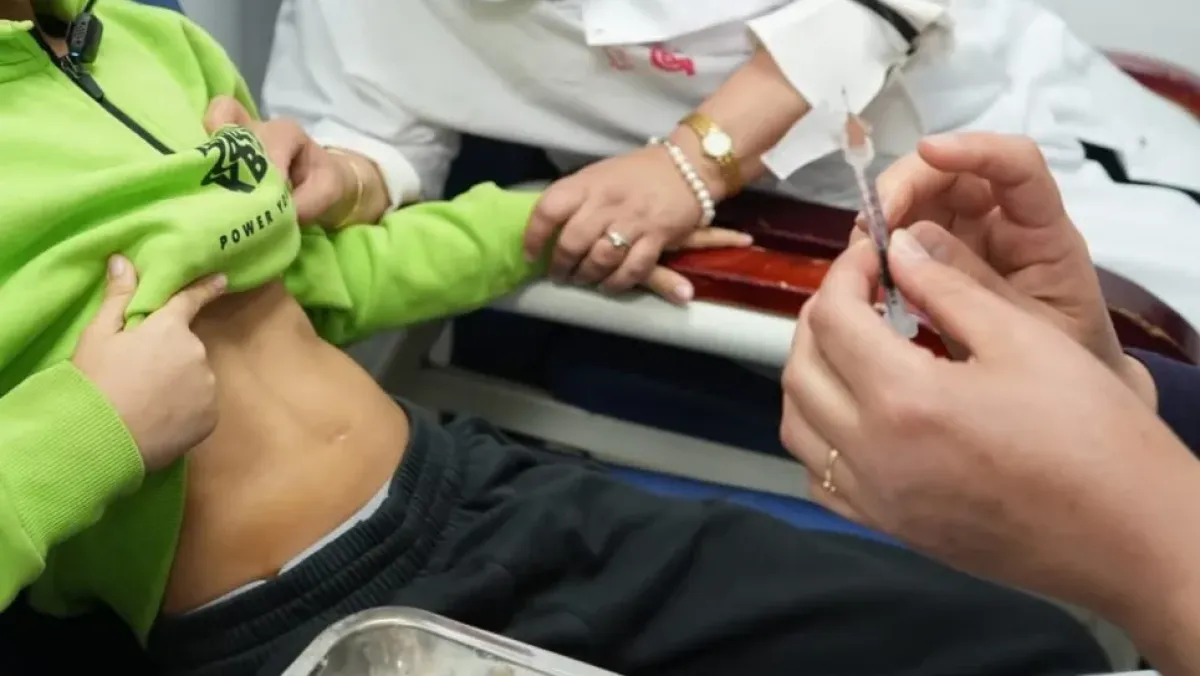
Yesterday, the new therapeutic protocol based on subcutaneous injections (sous-cutanée) to treat hemophilia was launched yesterday at the level of the Hematology Department and the Blood Bank at the Beni Messous University Hospital Center in Algiers.
The important medical event is the first of its kind at the national level, and the new treatment protocol is distinguished by the fact that it relies on subcutaneous injections instead of traditional intravenous injections, which will facilitate the treatment process for patients, reduce the difficulty of repeated intravenous access, contribute to improving the quality of life of patients, especially children, and enhance the effectiveness of long-term medical follow-up.
What is hemophilia?
Hemophilia is a rare hereditary bleeding disease characterized by the weakness or absence of certain blood clotting factors, leading to prolonged bleeding that may occur spontaneously or as a result of minor injuries, especially in the joints and muscles.
Classification of types of hemophilia:
* Hemophilia A: caused by a deficiency of clotting factor VIII (the most common).
* Hemophilia B: caused by a deficiency of clotting factor IX.
* Hemophilia C: caused by a deficiency of clotting factor XI. It is less common and its symptoms are often milder. It can affect males and females.
All types are classified according to severity into: mild, moderate, and severe.
How is the disease transmitted?
Hemophilia A and B: It is genetically transmitted through the X chromosome, often from the pregnant mother to her male children.
Hemophilia C is transmitted in a different genetic way (not linked to the X chromosome), and it can appear in males and females.
Jaafar bin Saleh