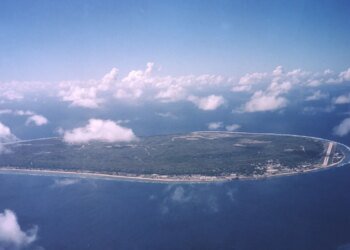

ASenate inquiry into Australia’s offshore processing system has brought forward deeply troubling accounts from people held on Nauru, with testimony pointing to ongoing concerns about safety, access to food and medical care, and the broader impact of long-term detention.
Among those due to give evidence is Maryam, who has spent more than a decade within Australia’s offshore detention framework. First transferred to Nauru in 2013 and later moved to Australia for medical treatment in 2015, her appearance offers a rare chance to hear directly from someone with lived experience of the policy.
Her testimony comes alongside a series of newly released submissions from individuals currently on Nauru. These accounts describe daily life marked by uncertainty and hardship. Several people report incidents of assault, theft and intimidation, often coupled with a lack of confidence in local authorities or service providers. One submission details repeated attacks and a belief that there is little protection available.
Food insecurity also features heavily across the testimonies. Individuals describe having to skip meals due to limited financial support, with some saying the allowances provided fall short of covering basic needs. The result, according to several accounts, is a routine of cutting back on food and going to bed hungry.
Concerns extend beyond safety and nutrition. Submissions raise issues around access to healthcare, with some describing treatment options as inadequate or unaffordable. For those with ongoing medical conditions, this has reportedly led to worsening health. Others speak of frequent power outages, which disrupt daily life and make it difficult to store food safely, adding another layer of strain.
The accounts also highlight an atmosphere of persistent fear. Some individuals say they have been approached for money and threatened when refusing, while others describe regular verbal abuse. Across multiple submissions, there is a sense of psychological pressure, with references to anxiety, distress and long-term trauma.
Advocacy groups argue these accounts reflect long-standing problems within the offshore processing system. Jana Favero, Deputy CEO of the Asylum Seeker Resource Centre, said the consistency of the testimonies over time raises serious questions about the effectiveness and human cost of the policy. She pointed to repeated descriptions of violence, deprivation and declining health.
At the same time, the policy continues to attract political and financial scrutiny. The federal government has allocated $581 million for offshore processing in the current financial year, a figure that has prompted debate about the use of public funds. Critics argue that such spending should be reassessed, while supporters of offshore processing maintain it remains a key element of Australia’s border protection strategy.
The broader debate around offshore detention has long been shaped by competing priorities. Successive governments have defended the policy as a deterrent against dangerous sea journeys and people smuggling operations. However, human rights organisations and legal experts have consistently raised concerns about conditions within detention centres and the prolonged nature of the system.
As the Senate inquiry continues, Maryam’s testimony and the voices captured in the submissions are likely to play a central role in shaping discussion. For some, they offer evidence of a system in need of urgent reform. For others, they sit within a wider policy framework that balances humanitarian considerations with border control.
What emerges clearly is that the issue remains far from settled. The inquiry now faces the task of weighing these competing perspectives while assessing whether current arrangements meet Australia’s legal and moral obligations.
Support independent community journalism. Support The Indian Sun.

Follow The Indian Sun on X | Instagram | Facebook
Post Views: 50

Support Independent Community Journalism
Dear Reader,
The Indian Sun exists for one reason: to tell stories that might otherwise go unheard.
We report on local councils, state politics, small businesses and cultural festivals. We focus on the Indian diaspora and the wider multicultural community with care, balance and accountability. We publish in print and online, send regular newsletters and produce video content. We also run media training programs to help community organisations share their own stories.
We operate independently.
Community journalism does not have the backing of large media corporations. Advertising revenue fluctuates. Platform algorithms change. Costs continue to rise. Yet the need for credible, grounded reporting in a multicultural Australia has never been greater.
When you support The Indian Sun, you support:
• Independent reporting on issues affecting migrant communities
• Coverage of local and state decisions that shape daily life
• A platform for small businesses and community groups
• Media training that builds skills within the community
• Journalism accountable to readers
We cannot cover everything, but we work to cover what matters.
If you value thoughtful reporting that reflects Australia’s diversity, we invite you to contribute. Every donation helps us maintain the quality and consistency of our work.
Please consider making a contribution today.
Thank you for your support.
The Indian Sun Team