
The Graduation Projects Festival in Baghdad Media is a platform for creating an integrated professional generation
Baghdad – Rawan Tariq
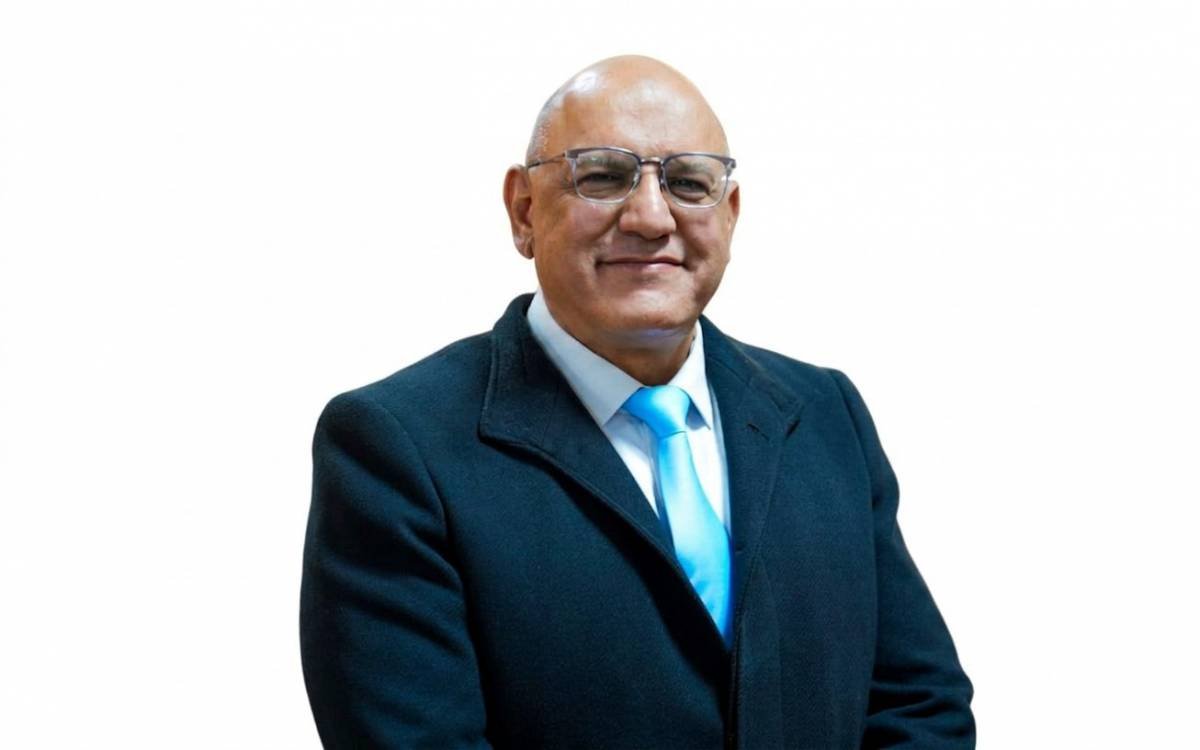
The transformation of the education sector in the field of media is accelerating, as the graduation project for students in media colleges is no longer just a traditional academic requirement, but has turned into an applied experience that contributes to refining the students’ skills and preparing them in the field. In this context, the Graduation Projects Festival stands out as a platform to showcase students’ creativity and motivate them to innovate. In a special interview, the Dean of the Faculty of Information, Ammar Taher, spoke about (the importance of this transformation, the most prominent goals of the festival and the approved evaluation mechanisms).
□ What are the motivations behind transforming graduation projects from theoretical research to practical projects?
This transformation came in response to the need to provide an integrated educational experience that allows students to apply their theoretical knowledge in a practical way. Radio and television students, for example, produce integrated media works, while journalism students prepare reports and investigations, and public relations students present media campaigns, which gives them experience that simulates the work environment.
□ What are the reasons for holding the Graduation Projects Festival, and what is its importance for students?
After we had a large number of distinguished projects, we decided to organize a festival to encourage students to be creative and honor their efforts. The festival gives students an opportunity to transform their ideas into applied projects, and contributes to refining their professional skills and enhancing their self-confidence, as well as better preparing them for the labor market.
□ How is the sensitivity of competition among students dealt with?
We noticed that some students may feel sensitive to the results of the competition, so we adopted the principle of honoring all participants, not just the winners, to ensure that every student feels appreciated and accomplished, and to encourage them to continue without psychological pressure.
□ What are the standards and procedures adopted in evaluating projects?
Professional standards
We ensure that the evaluation process is transparent and fair, as committees of experts undertake the evaluation task according to precise professional standards. We also adopt a system that ensures that the names of students or supervisors are not known during the evaluation, which enhances integrity and prevents any bias.
□ Is there any development in the level of the festival compared to previous years?
– Yes, there is a noticeable development from year to year, whether in terms of the quality of projects or the level of organization, and this reflects the growing experiences of students and their keenness to present more professional work.
□ What do you think of relying on theoretical research only in some colleges?
In my opinion, it is not enough to rely on the theoretical aspect alone, as practical projects give students real experience and applied skills that the labor market needs, so we call for adopting this approach more broadly.
□ What is your advice to students about to enter the media job market?
I advise them to focus on acquiring practical skills in addition to theoretical knowledge, such as editing skills and media work management, because possessing applied experience increases the chances of success and excellence.
□ How does the college contribute to preparing students for the labor market?
We work to provide an integrated educational environment through practical training, organizing courses, and linking students with media institutions, which helps them gain experience and prepare to enter the labor market with confidence and efficiency.
It is noteworthy that (the Graduation Projects Festival is no longer just a passing academic event, but rather has become a turning point in the path of preparing media students, contributing to bridging the gap between the theoretical and applied aspects, and this trend establishes a media generation that is more prepared and efficient, capable of keeping pace with the requirements of the labor market).