The Ministry of Health published this Thursday its first epidemiological bulletin in ten years, corresponding to week 13 (March 15 to 21, 2026), breaking a prolonged information silence that extended since 2016.
The document, available at the ministry’s websiteonly includes data on five diseases of the more than 30 that are notifiable in the country: yellow fever, human rabies, Venezuelan hemorrhagic fever, measles, rubella and malaria.
It does not contain information on HIV/AIDS, dengue, acute diarrhea, pneumonia or other relevant pathologies.
Main data revealed according to the bulletin:
- 38 cases of yellow fever have been confirmed since June 2025, with 21 deaths.
- 115 epizootic events (animal epidemics) were recorded in non-human primates.
- In malaria, 25,259 cases accumulate between 2025 and the first 12 weeks of 2026, which represents an increase of 8.3% compared to the same period of the previous year. 81.1% of these cases are concentrated in the state of Bolívar, an area of intense mining activity.
The bulletin does not include data before 2025 nor does it compare complete historical figures.
yellow fever
Venezuela is endemic for yellow fever, with recurrent outbreaks and confirmed cases in humans and primates.
- From June 2025 to EW12 2026, 38 cases have been confirmed, with 21 deaths (TL 55.3%).
- In 2025, there were 32 cases and 17 recoveries; in 2026, 6 cases and 4 recovered.
- 115 epizootic events in primates were reported, mainly in San Camilo, Sur del Lago and Guayana.
- The jungle-rural cycle affects 60.5% of human cases, mostly in men (58%) and between the ages of 20 and 29.
- The most affected municipalities are Barinas, Monagas, Amazonas, Bolívar, Merida, Lara, Apure, Portuguesa, Aragua, Trujillo, Táchira, Carabobo, Cojedes and Guárico.
- The epizootic in primates is concentrated in Aragua, with 74 events.
- 35,313 animals have been vaccinated in 50 weeks in the state of Zulia, with 80% coverage in affected areas.
- Actions include vaccination, vector control, epizootic surveillance and risk communication.
Rabies: one case in 2025 and four in humans in 2026

PAHO coordinates the elimination of rabies transmitted by dogs, with mass vaccination campaigns in dogs and prophylaxis in humans, they report in the Bulletin.
- In 2025, a case was reported in Venezuela in Zulia, a canine variant.
- Until EW12 of 2026, 4 human cases were recorded, with 2 in 2025 and 2 in 2026.
- A 19% increase in suspicious bites is observed (8,965 in 2025 vs 10,672 in 2026).
- In Zulia, 77% of animal samples tested positive, mainly in dogs (83.8%) and cats (12.5%).
- Surveillance in Zulia detected active viral circulation, concentrated in Maracaibo and surrounding municipalities.
- 35,313 animals have been vaccinated in the campaign in the state of Zulia, with 80% coverage in focal areas.
- Actions include vaccination, early notification, signaling and control of bat colonies.
Venezuelan hemorrhagic fever
FHV and Chapare virus continue to circulate in Bolivia and Argentina, with cases in Venezuela.
- In 2025, Argentina reported 21 confirmed cases of Argentine hemorrhagic fever.
- Bolivia reported one case of Chapare virus in La Paz in 2025.
- In Venezuela, until SE12 2026, 3 cases were confirmed, with a fatality rate of 67%.
- In 2025, 32 cases and 16 deaths were recorded, with a fatality rate of 50%.
- In 2026, 3 cases and 2 deaths were confirmed.
- The endemic foci in Venezuela are Barinas and Portuguesa.
- Biological control, active search and education actions have been carried out in risk communities.
Measles: no cases

The increase in measles cases in the Americas in 2025 and 2026 has generated a health alert.
- In 2025, 14,891 cases and 29 deaths were confirmed, with a 32-fold increase compared to 2024.
- In 2026, between SE1 and SE53, 1,031 cases without deaths were reported.
- The majority of cases in 2025 were in children under 1 year of age (8.8 per 100,000) and in groups of 10-19 years of age (24%).
- 78% of cases were not vaccinated; only 20% of countries had coverage greater than 95% in the second dose.
- In Venezuela, until SE12 2026, there are no confirmed cases since 2019.
- Surveillance continues with 62% of samples discarded and cases under investigation.
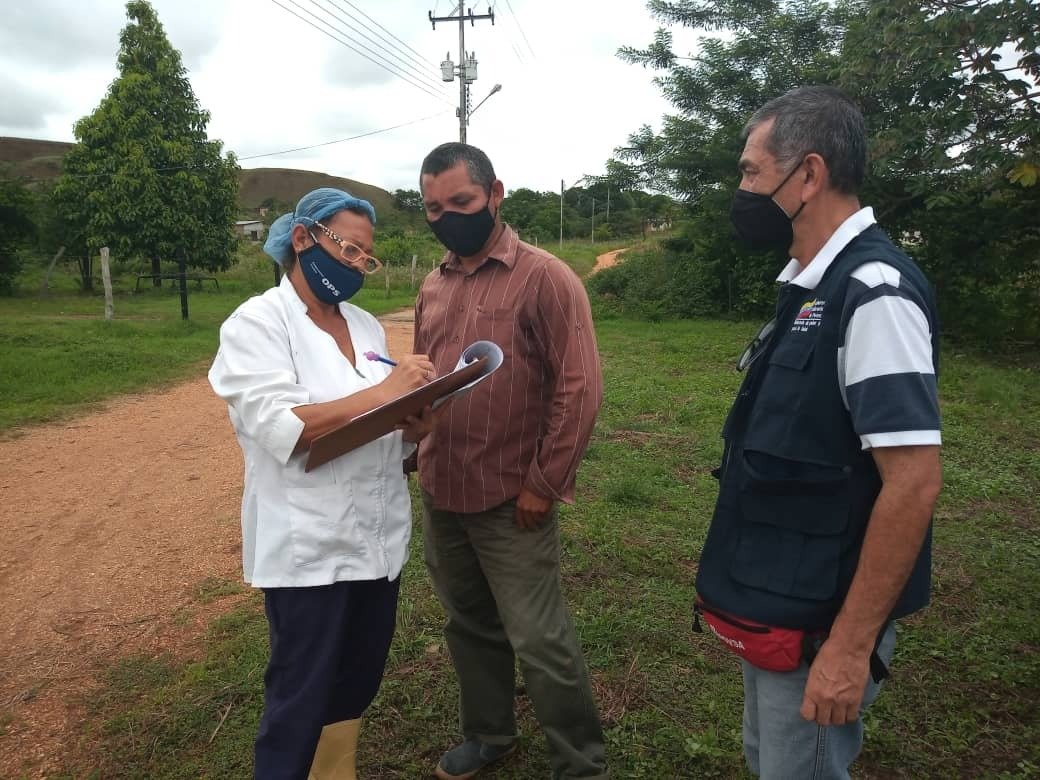
100% of the states have maintained surveillance by sending samples of suspected cases to the Rafael Rangel National Institute of Hygiene (INHRR). In 2026, 62% of reported cases have been ruled out (479/564), and the rest are under investigation (85 cases).
Reactions and context
On March 10, the Minister of Health, Nuramy Gutiérrez, had acknowledged “some deaths” from yellow fever in 2025, but avoided giving precise figures to “avoid panic” in the population.
A week later, the National Academy of Medicine and various scientific societies and medical schools had urged the Ministry to resume the regular publication of epidemiological bulletins.
The National Epidemiological Bulletin, implemented since 1938 and with mandatory weekly publication, stopped being published regularly during the government of Hugo Chávez (1999-2013).
In 2014 the authorities stopped publishing it without offering official explanations. In 2016, a last bulletin was distributed, after which the then minister was dismissed.
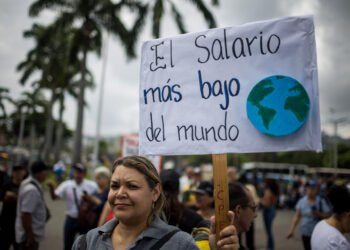
So far, the Ministry of Health has not explained the reasons for the decade-long silence or confirmed whether it will publish bulletins on a weekly basis from now on.
Although the reappearance of the bulletin is considered an advance by medical sectors, the information disseminated is limited both in diseases covered and in historical depth, which prevents having a complete view of the country’s health situation.
The note is based on the official publication of the Ministry of Health and the report from La Web de la Salud.