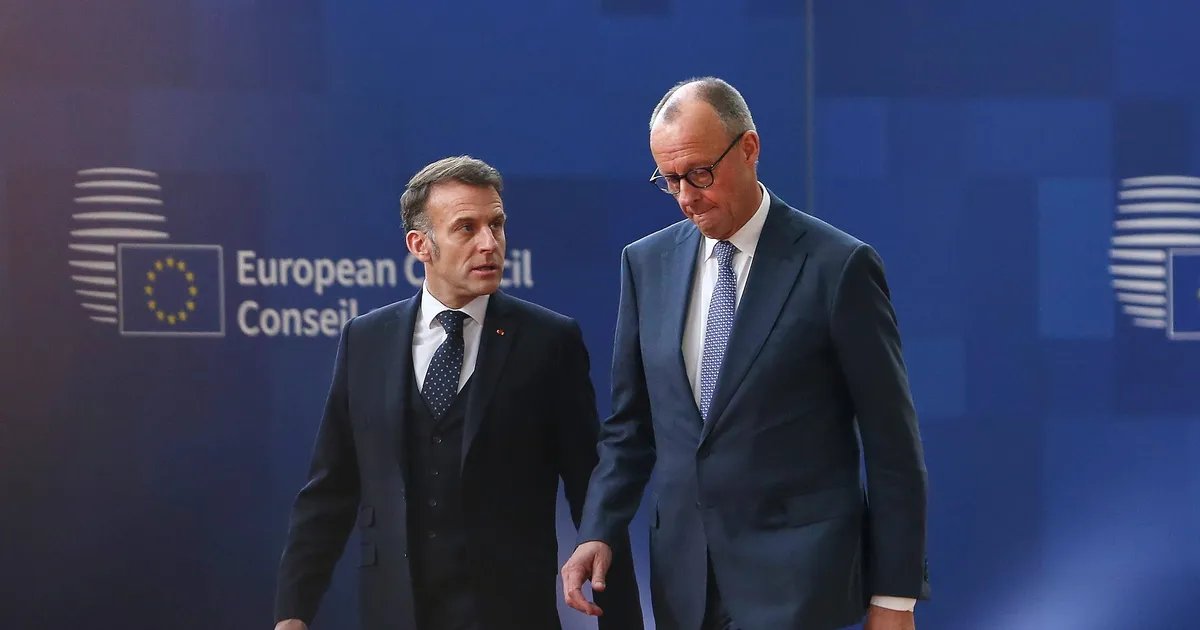
This does not necessarily manifest itself in open conflicts, but in constant friction, mistrust, and delays. According to one French diplomat, it has even become difficult to shape common positions, let alone common initiatives. The partnership continues to function formally, but it no longer generates the political energy that Europe needs.
According to one French diplomat, it has even become difficult to shape common positions, let alone common initiatives.
The disagreements are not isolated, but systemic. They encompass trade, relations with the United States, defense policy, the EU budget, and strategic autonomy. Even in traditionally sensitive areas – such as the Common Agricultural Policy and cohesion policy – Germany is willing to reconsider previous agreements, which creates deep mistrust in Paris.
In the background, there is also a reciprocal political perception that deepens the divide. In Germany, Macron is increasingly seen as a president whose ambitions exceed his actual capabilities, primarily due to France’s high debt burden. On the French side, there is concern about Merz as chancellor, who is considered hesitant and incapable of decision-making due to domestic constraints, especially on EU-level issues.
These assessments are not merely rhetorical. They directly shape political behavior and reduce the willingness to compromise.
Macron initially hoped to find in Merz a partner with whom to give the European Union a new strategic impulse. He was prepared to support the German chancellor’s stronger role in Europe. A year later, it is clear that this has not happened. Merz has not “settled into Europe” and faces strong domestic political pressure, just like Macron at the end of his term.